Waymo is sending autonomous vehicles to Japan for first international tests

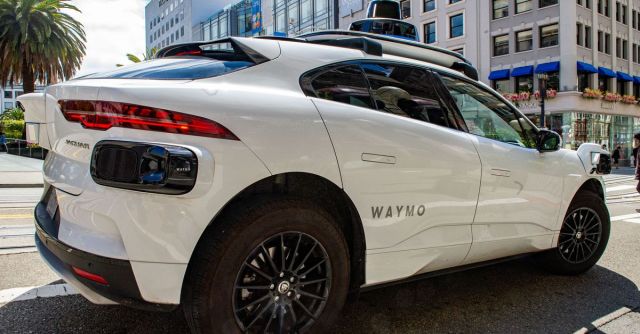
Waymo’s autonomous vehicles are going to Tokyo, marking the first time that the Alphabet company is deploying vehicles on public roads in a foreign market.
Waymo is billing the excursion as a simple “road trip” for collecting data about the nuances of Japanese driving, including left-hand traffic and navigating a dense urban environment. The vehicles will be driven manually for the purposes of gathering mapping data and will be managed by a local taxi fleet operator, Nihon Kotsu. About 25 vehicles will be sent, with the first set to arrive in early 2025.
And while the tests will undoubtedly be seen as laying the groundwork for a future Tokyo-based robotaxi service, Waymo said it isn’t ready to announce anything quite yet.
“While we look forward to bringing the life-saving benefits of the Waymo Driver global, we have no plans to serve riders in Tokyo at this time,” Waymo spokesperson Sandy Karp said. “Rather, we’re bringing our technology to learn and understand how Waymo fits into the existing transportation landscape and learning how to best partner with local officials and communities.”
The inclusion of GO, a popular taxi app in Japan, in the strategic partnership could signal Waymo’s intention to put its autonomous vehicles into service through a locally based mobility provider. Waymo is already doing this in the US, making its autonomous vehicles available on Uber’s ridehail app in Austin and Atlanta.
“We have no plans to serve riders in Tokyo at this time”
Waymo’s robotaxi business in the US is growing, albeit slowly. The company currently has approximately 700 vehicles in operation in several cities, including San Francisco, Los Angeles, Austin, and Phoenix. It also plans to launch a robotaxi service in Atlanta in an exclusive partnership with Uber and is planning to launch in Miami in 2026. Alphabet CEO Sundar Pichai recently said that Waymo was providing 175,000 paid trips per week, or about a million miles.
In Tokyo, Waymo’s vehicles will be operated by trained autonomous specialists employed by Nihon Kotsu. Once the company feels like it’s ready, it will transition to hands-free autonomous driving with a safety driver behind the wheel. Karp wouldn’t say whether that would eventually progress to fully driverless operations. The vehicles will be geofenced to certain neighborhoods in Tokyo, including Minato, Shinjuku, Shibuya, Chiyoda, Chūō, Shinagawa, and Kōtō.
In bringing its vehicles to its first foreign country, Alphabet is trying to project confidence in its technology, especially at a time when companies are pulling back on costly robotaxi projects. General Motors recently announced that it would no longer fund Cruise and would instead pivot to driver-assist technology and personally owned autonomous vehicles.
Several companies have tested their autonomous vehicles in Japan, but the country is a bit of a backwater compared to China and the US. Part of the problem seems to be the country’s robust auto industry is focusing its testing in countries other than its native one. Toyota and Nissan are both seeking to deploy robotaxis in China in collaboration with local operators.
Waymo’s autonomous vehicles are going to Tokyo, marking the first time that the Alphabet company is deploying vehicles on public roads in a foreign market. Waymo is billing the excursion as a simple “road trip” for collecting data about the nuances of Japanese driving, including left-hand traffic and navigating a…
