Your smartwatch could help predict when you’re about to get depressed, according to research

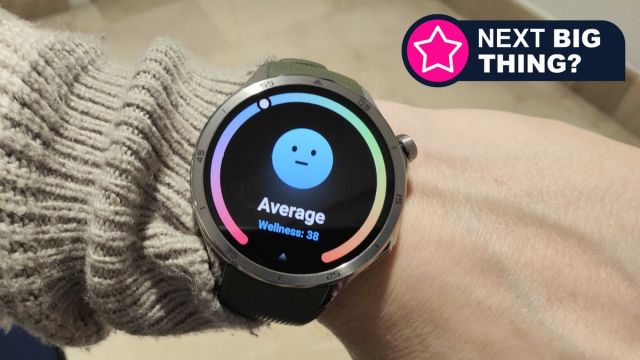
- A research study has suggested mood changes can be detected by your wearable
- This would allow the prediction of mood data, helping you counteract it with advice
- It could be huge for helping manage the symptoms of mental health conditions
We’ve seen that the best smartwatches can track everything about your physical health, from detecting sleep apnoea to predicting your best marathon times, but the next frontier could be predicting your mental health.
Research published in the journal Nature last year leverages the power of a smartwatch and the data it collects to map out manic and depressive episodes in patients with mood disorders, based on sleep-wake data. Because stress and mood can have an effect on circadian rhythms, the study hypothesized that it’s possible to predict upcoming ‘mood episodes’.
“Disruptions in sleep and activity patterns have been observed in individuals diagnosed with mood disorders, including major depressive disorder (MDD) and bipolar disorder (BD),” the study’s introduction explains.
“To gain a deeper understanding of these mood-related patterns, sensors in smartphones and wearable devices, such as accelerometers, Global Positioning System sensors (GPS), and light sensors, have been employed to noninvasively and passively collect data within individuals’ real-life environments.”
“This approach allows for long-term, objective assessment of a patient’s physiological and behavioral status, providing a valuable complement to conventional psychiatric assessments that rely on subjective patient recall through clinical scales or interviews.”
Huge impact on mental wellbeing
As per the study, this could make a huge difference to anyone suffering from a mental health condition, and not only major depressive disorder or bipolar disorder.
By tracking this data and mapping it out over an extended period, smartwatches could offer coping strategies to a whole host of people with mental health concerns, from permanent diagnoses such as bipolar disorder, to temporary episodes such as seasonal affective disorder (SAD).
Spotting signs that can contribute to a higher risk of depression, like later bedtimes, and varied day structures, could help users develop coping mechanisms to manage or minimize their symptoms.
You might also like
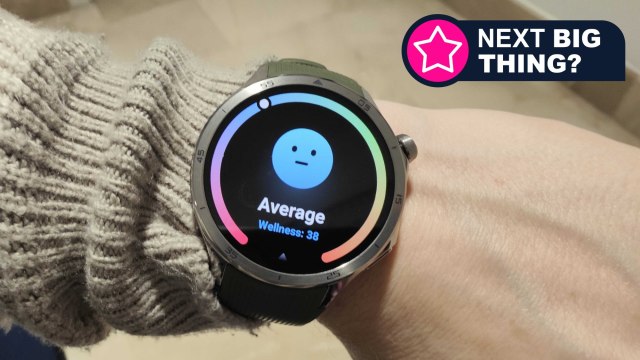
A research study has suggested mood changes can be detected by your wearable This would allow the prediction of mood data, helping you counteract it with advice It could be huge for helping manage the symptoms of mental health conditions We’ve seen that the best smartwatches can track everything about…
