Volvo’s new EV has the world’s first ‘battery passport’ – here’s why that’s a big deal

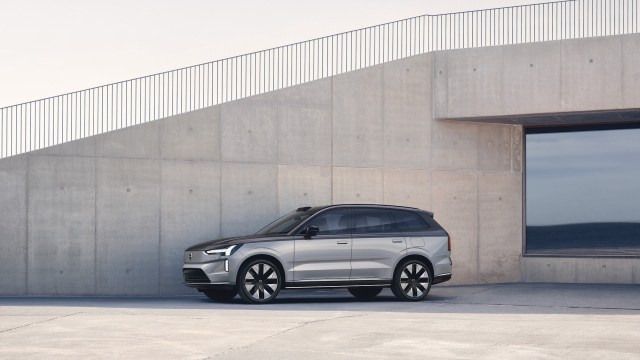
Volvo is set to become the first electric vehicle manufacturer to offer a battery passport on its new $76,695 /£95,400 /AU$155,00 EX90 electric SUV, which will offer information on the raw material components, the amount of recycled content and the overall carbon footprint of the battery pack.
Similar to the information provided by some fashion brands, such as Nudie Jeans and outdoor clothing specialist Rab, the battery passport is designed to create greater product transparency and educate the buyer on its sustainability credentials.
The passport was developed by Volvo, itself owned by Chinese manufacturer Geely, with input from UK startup Circulor. According to Reuters, Circulor uses blockchain technology to map supply chains for companies.
Volvo will be gaining the competitive edge on the competition, as battery passports are due to become mandatory for electric vehicles sold in the European Union from February 2027, thanks to an initiative that aims to make the origin of key materials, their carbon footprint and recycled content more transparent for both regulators and the customers.

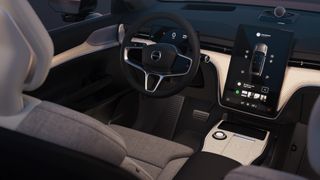
The first EX90 models with a battery passport will roll off the new Volvo production line in Charleston, South Carolina in the coming weeks, and will take the form of a QR code that’s located inside the driver’s door.
This will offer simplified information on the origins of the battery and its material make-up, while a more complete version of the passport will be passed to regulators, according to Reuters.
In order for the system to work, Circulor plugs into the supply chain of each battery used, tracing its origins from mining stage to completion. On top of this, it tracks suppliers’ monthly energy bills and works out how much of their energy comes from renewable sources in order to calculate a total carbon footprint.
Plus, scanning the QR code will also give up-to-date information on the EV battery’s state of health – although this is a diagnostics tool that is already available on a number of modern EVs.
Analysis: Greater transparency could prove key
While the European Union has put in place a 2027 deadline that ensures all new EVs sold will feature a battery passport, the US is yet to reveal whether it will follow suit.
That said, the US Government has been putting increasing pressure on automakers to build and source materials for their electric vehicles on home soil, with recent cuts to federal tax credits limiting the number of eligible EVs to just a few.
The introduction of battery passports (and passports for all components, for that matter) could offer the sort of transparency that would make it easier for legislators to introduce new subsidies, which in turn could help speed up EV adoption.
Similarly, US EV makers will also be keen to prove the sustainability credentials of their electric vehicles in order for them to qualify for any subsidies available when selling in Europe.
You might also like
Volvo is set to become the first electric vehicle manufacturer to offer a battery passport on its new $76,695 /£95,400 /AU$155,00 EX90 electric SUV, which will offer information on the raw material components, the amount of recycled content and the overall carbon footprint of the battery pack. Similar to the…
