The US has new clean energy and efficiency programs for low-income housing

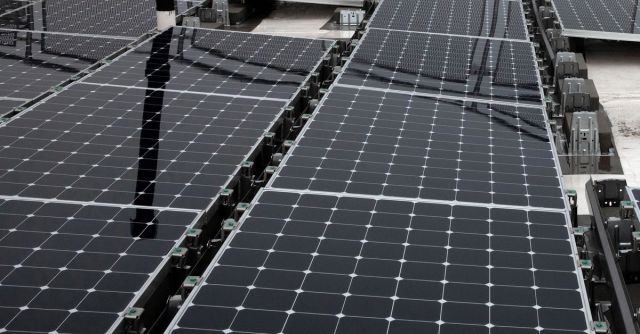
The Biden administration on Thursday announced $100 million in funding to make low-income homes in the US more energy efficient and resilient to climate change. It will also start taking applications Thursday for a new credit program aimed at making it more affordable for low-income communities to install small solar and wind projects. Both programs are funded through the Inflation Reduction Act.
New technologies like heat pumps and solar panels that can save energy, lower utility bills, and prevent greenhouse gas emissions often come with a hefty price tag initially. While costs tend to drop over time with greater adoption, this usually leaves low-income households last in line. These programs aim to flip that on its head by offering property owners and developers incentives that make it easier to bring these technologies into their homes.
The $100 million will go toward making 1,500 homes “zero energy” through loan and grant awards. The Department of Energy defines a zero energy-ready home as one that is “so energy efficient that a renewable energy system could offset most or all the home’s annual energy use.” Awardees might use the funds to install solar panels or fortify roofing with better installation, for example. They’ll also be required to work toward earning certain sustainability certifications, like LEED certification.
“It will really take housing that was built in the 1970s into this century.”
“It will really take housing that was built in the 1970s into this century as it prepares for a resilient future in years to come,” Adrianne Todman, deputy secretary of the Department of Housing and Urban Development, said in a press briefing.
The new Low-Income Communities Bonus Credit program announced Thursday is expected to lead to 1.8 gigawatts worth of clean energy investments annually in “underserved communities,” according to a White House fact sheet. For comparison, rooftop solar capacity in the US was roughly 40GW in 2022 (this excludes utility-scale solar farms). The program provides up to a 20 percentage point tax credit boost for small-scale solar and wind installations in tribal or low-income communities. That’s an added incentive on top of the existing Investment Tax Credit for clean energy projects.
“Let me just say upfront, the Low-Income Communities Bonus Credit program is the most significant tax incentive in US history to promote clean energy investments in low-income communities, on tribal land, and within affordable housing. That is to say, this is a big deal and a game changer,” David Turk, deputy secretary of the Department of Energy, said in the briefing.
The Biden administration on Thursday announced $100 million in funding to make low-income homes in the US more energy efficient and resilient to climate change. It will also start taking applications Thursday for a new credit program aimed at making it more affordable for low-income communities to install small solar…
