The New York Times is suing OpenAI and Microsoft for copyright infringement

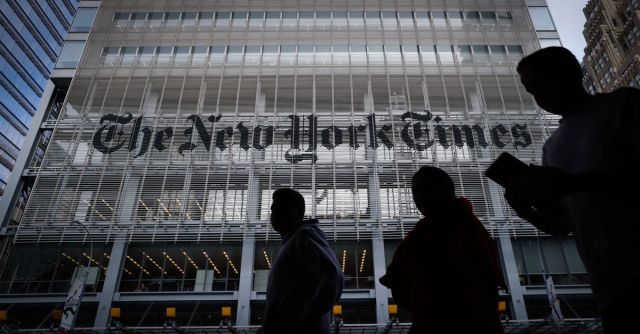
The New York Times is suing OpenAI and Microsoft for copyright infringement, claiming the two companies built their AI models by “copying and using millions” of the publication’s articles and now “directly compete” with its content as a result.
As outlined in the lawsuit, the Times alleges OpenAI and Microsoft’s large language models (LLMs), which power ChatGPT and Copilot, “can generate output that recites Times content verbatim, closely summarizes it, and mimics its expressive style.” This “undermine[s] and damage[s]” the Times’ relationship with readers, the outlet alleges, while also depriving it of “subscription, licensing, advertising, and affiliate revenue.”
The complaint also argues that these AI models “threaten high-quality journalism” by hurting the ability of news outlets to protect and monetize content. “Through Microsoft’s Bing Chat (recently rebranded as “Copilot”) and OpenAI’s ChatGPT, Defendants seek to free-ride on The Times’s massive investment in its journalism by using it to build substitutive products without permission or payment,” the lawsuit states.
Meanwhile, the release of AI models trained on the Times’ content has proven “extremely lucrative” for both Microsoft and OpenAI, the lawsuit states. The publication claims it has attempted to negotiate with both companies for months to “ensure it received fair value for the use of its content,” but failed to reach a solution. Neither OpenAI nor Microsoft immediately responded to The Verge’s request for comment.
The publication is suing both companies for copyright infringement and asks them to be held liable for “billions of dollars in statutory and actual damages” for allegedly copying its works. It’s also asking the court to prevent OpenAI and Microsoft from training their AI models using its content, as well as remove the Times’ work from the companies’ datasets.
The New York Times is one of many news outlets that have blocked OpenAI’s web crawler in recent months, preventing the AI company from continuing to scrape content from its website and using the data to train AI models. The BBC, CNN, and Reuters have moved to block OpenAI’s web crawler as well. Other publications, however, are embracing AI — or, at least, the payments that come with it. Axel Springer, which owns Politico and Business Insider, struck a deal with OpenAI earlier this month that allows ChatGPT to pull information directly from both sources, while the Associated Press is allowing OpenAI to train its models on its news stories for the next two years.
The New York Times is suing OpenAI and Microsoft for copyright infringement, claiming the two companies built their AI models by “copying and using millions” of the publication’s articles and now “directly compete” with its content as a result. As outlined in the lawsuit, the Times alleges OpenAI and Microsoft’s…
