The AI Doc explores how we can survive an uncertain AI future

Anxiety, more so than technological rigor, sits at the heart of The AI Doc: Or How I Became an Apocaloptimist. Director Daniel Roher is anxious about the future he's bringing a child into — will it be an AI-driven utopia? Or does it spell certain doom, something explored in countless sci-fi stories. To figure it all out, he interviewed some of the most well known AI proponents and critics, including The Empire of AI author Karen Hao, AI researcher Emily Bender and Anthropic CEO Dario Amodei.
The AI Doc, which hits theaters this weekend, doesn't really shed new light. For that, I'd recommend reading Hao's industry-defining book, which chronicles the rise of OpenAI and the precarious nature of its business. But I don't think tech-heads are the main audience for this film. Instead, Roher is trying to break down the state of AI for mainstream audiences, the folks who may occasionally use ChatGPT or Google's Gemini, but aren't aware of why they're controversial. In particular, the film exposes the near-religious devotion many in the tech world have around AI.
It's not a spoiler to say that Roher ultimately adopts an "apocaloptimist" viewpoint. He's aware of the potential dangers of AI, and that it will likely have some serious societal impact. But, he also thinks humans have the ability to shape where it's headed. AI proponents have a near-religious belief in the eventuality of artificial general intelligence (AGI), or AI that can match and surpass human capabilities. But AGI isn’t inevitable, and Roher argues there’s room for critics and the public to push back.
We’re seeing small examples of AI resistance already. Just look at the viscerally negative response to NVIDIA's DLSS 5 AI upscaling; Microsoft's recent plans to pull back on Copilot AI features in Windows 11; or OpenAI shutting down its Sora AI video generation app. (The latter may be due to the sheer expense, but Sora has certainly seen plenty of criticism.) If enough people say no to various implementations of AI, tech companies will be likely to respond.
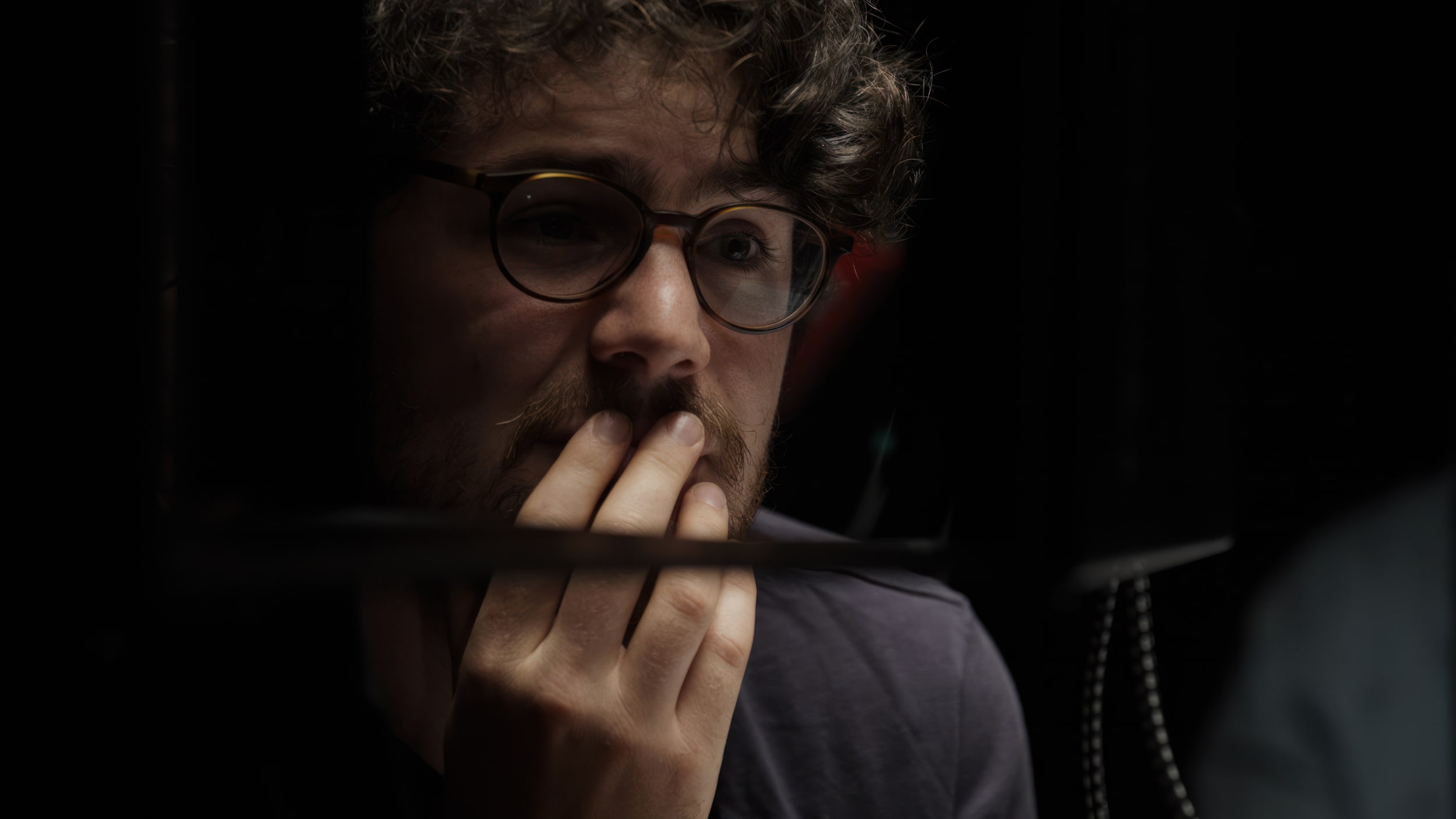
The AI Doc splits its narrative between true believers — like OpenAI CEO Sam Altman and Anthropic CEO Dario Amodei — and prominent AI critics — like Tristan Harris, the co-founder and president of the Center of Humane Technology, as well as linguistics professor Emily M. Bender. It's easy to feel a bit of whiplash when the film moves from people who genuinely think AI will lead to some sort of utopia (and who will also become insanely rich in the process), and the extreme critics who think it will mean the end of humanity. At one point, Harris mentions that some of his friends working in AI risk assessment believe that their kids "won't see high school." There's that anxiety again.
While The AI Doc squeezes an impressive amount of notable interviews in its hour-and-43-minute runtime, I would have liked to hear more from critics like Timnit Gebru, a former Google AI researcher who also ties the development of AI into a rise of "techno-fascism" in Silicon Valley. She appears briefly in the film, but her perspective isn't fully fleshed out. The AI Doc doesn't dig very deeply into the driving forces behind AI, whereas Ghost in the Machine, this year's other major AI documentary, draws a direct line between the rise of eugenics and Silicon Valley. (Ghost in the Machine is headed to theaters this summer, and will air on PBS in the fall.)
It's the sort of energetic, animation-heavy documentary that wants to make sure the audience is never bored. But the threat of AI deserves more nuance and critical scrutiny. At worst, The AI Doc may make more people question the value of AI as the tech industry becomes more desperate to make it a success.
This article originally appeared on Engadget at https://www.engadget.com/entertainment/tv-movies/the-ai-doc-explores-how-we-can-survive-an-uncertain-ai-future-154341735.html?src=rss
Anxiety, more so than technological rigor, sits at the heart of The AI Doc: Or How I Became an Apocaloptimist. Director Daniel Roher is anxious about the future he's bringing a child into — will it be an AI-driven utopia? Or does it spell certain doom, something explored in countless…
