Summer blackouts are increasing in the US

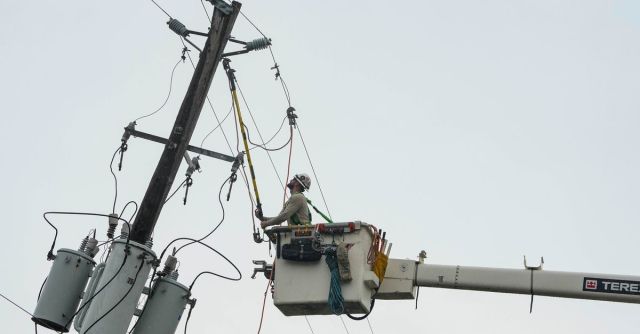
It’s a trend that raises health risks as the planet heats up. Climate change supercharges disasters like storms and wildfires that often cut off power. Soaring demand for air conditioning also stresses out the grid. All of this can leave people without life-saving cooling or electric medical devices at times when they’re most vulnerable.
Climate Central collected data from the Department of Energy on outages that took place between 2000 and 2023. It looked specifically at periods between May and September each year, warmer months when people rely on air conditioning the most. The analysis focused on blackouts attributed to bad weather or wildfires, which hot and dry conditions can exacerbate.
The findings fall in line with other surveys of power outages over time in the US. Americans experienced an average of 5.5 hours of electricity interruptions in 2022 compared to roughly 3.5 hours in 2013, according to the US Energy Information Administration (EIA). That includes all kinds of power disruptions throughout the year. But the culprit behind longer outages is “major events,” including weather disasters. Without those big events, the length of outages would have mostly flatlined over the past decade.
Certain areas have fared worse than others over the years, the Climate Central analysis shows. The South experienced more weather-related blackouts than any other region during warmer months, with 175 outages between 2000 and 2023. Texas leads the nation as the state with the most weather-related outages, with 107 over the same period.
The nation’s aging grid infrastructure could certainly use an upgrade to make it more resilient to a changing climate. Burying power lines can safeguard them from extreme weather in some scenarios. Residential solar energy systems and microgrids can help keep the lights on for homes even if power plants or power lines go down in a disaster. And switching from fossil fuels to renewable energy would prevent those climate-related disasters from growing into bigger monsters in the first place.
It’s a trend that raises health risks as the planet heats up. Climate change supercharges disasters like storms and wildfires that often cut off power. Soaring demand for air conditioning also stresses out the grid. All of this can leave people without life-saving cooling or electric medical devices at times…
