Sony’s latest Pulse wireless headset packs planar magnetic drivers at a good price
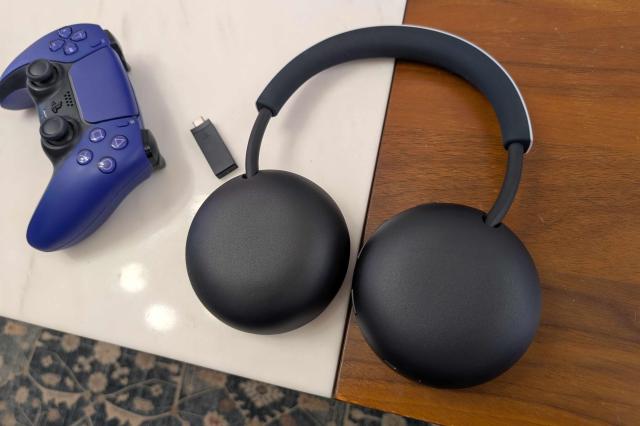
It’s tempting to seek out the do-everything wireless gaming headset with noise cancellation, phenomenal sound quality, multiplatform connectivity, swappable batteries — you name it. But if you just want the basics done well, Sony’s new $99.99 PlayStation Pulse headset is worth considering. It has very good sound and just enough extras, even if you use more gadgets than just your PlayStation 5.
Inside the Pulse’s nondescript ear cup shells are custom planar magnetic drivers, which deliver clean, detailed sound whether you’re gaming, listening to music, or both. They aren’t bass-heavy or too shrill; their default equalizer is pleasing and punchy, though you can also tweak it in the PS5’s interface, like other Pulse headsets. They’re not Sony’s first audio gaming product to feature this type of high-end driver (the first was in 2023), but they are the most affordable at $99.
The Pulse comes with either a white or black headband, with a soft-touch underside and a decent amount of give near the top of your head where it rests its weight. Thankfully, the headset is lightweight and offers size adjustments that go beyond what my large head requires for comfort. These are some of the only headphones I’ve used with ear cups that can rotate 180 degrees in either direction.
Functionally, the Pulse stands out as a semi-affordable wireless headset that can stream audio from PlayStation Link (Sony’s low-latency, lossless wireless connection) and Bluetooth simultaneously. It includes a USB-C Link dongle that lets you pair it quickly with whatever you plug it into, whether it’s a PS5, PC, or Nintendo Switch 2.
The headset’s ear cup controls include a dedicated Bluetooth button that, beyond pairing with another gadget, lets you pause or resume Bluetooth content (it can also answer or hang up calls). You can also control Bluetooth audio volume using the integrated volume rocker, but only when a device isn’t connected via PlayStation Link. In simultaneous audio mode, the rocker adjusts audio solely for the device connected via the Link dongle.
If you have Sony’s PlayStation Portal, the Pulse can connect directly to the handheld without the Link dongle, just as Sony’s Pulse Elite and Explore can. It’s so convenient, and I hope Sony pushes for more devices that integrate the Link wireless technology in the future.
The Pulse isn’t the only headset that Sony has in the works. Its Pulse Edge wireless headset doesn’t have an exact launch date or price, but the company touts that it packs in twice as many magnets in its drivers (eight versus four), active noise cancellation, and a detachable boom mic that will likely provide better-sounding voice audio than the built-in mic in the standard Pulse. It will also include game / chat audio controls, a 3.5mm jack, and a carrying case.
While the $99 Pulse is comparatively light on features, Sony’s focus on providing standout audio quality and comfort makes it worth seeking out if you have a PS5 and are on a strict budget for your next wireless headset.
It’s tempting to seek out the do-everything wireless gaming headset with noise cancellation, phenomenal sound quality, multiplatform connectivity, swappable batteries — you name it. But if you just want the basics done well, Sony’s new $99.99 PlayStation Pulse headset is worth considering. It has very good sound and just enough…
