Physical buttons are making a comeback in cars, thanks to new safety guidelines – but I’m bracing myself for more annoying user experiences
- EuroNCAP will award high safety scores for cars with buttons
- Modern touchscreens have proven distracting for drivers
- But as cars get more complex, digital seems the logical way forward
There has been a fresh call from both the industry and drivers to reduce the amount of distraction found in many modern cars. A vast number are demanding more physical switches and easy-to-reach buttons to replace fiddly touchscreens and illogical menu systems.
EuroNCAP, arguably the leading vehicle safety organization in Europe, has stated that it will “incentivize” those manufacturers that provide easy-to-locate, tactile switchgear for core functionality.
This will mean that manufacturers might not be able to achieve the coveted five-star safety rating unless they meet this criteria.
Ironically, the decision has come from the very same safety body that made it mandatory for manufacturers to provide a plethora of active safety systems should they want to gain top marks. To many at least (including this writer), these are more of a hinderance than a help.
The endless bonging of a speed limit alert system, the erratic actions of automatic lane keep assist technology and the incidents of ‘ghost braking’ when a camera system misinterprets a non-existent hazard up ahead are all the bane of a modern motorist’s life. But it was EuroNCAP that actively encouraged such solutions in pursuit of safer roads.
Dacia boss, Denis Le Vot – who has had to put up with lower-than-average EuroNCAP safety scores because his cut-price products couldn’t afford such systems – understands that they are essential for the public perception of safety but knows the vast majority of his customers turn them off.
So the Renault Group as a whole has introduced a button that does just that… with a simple long press.
But EuroNCAP’s director of strategic development Matthew Avery wants to take tackle the sticky issue of touchscreens and told Wired that major manufacturers are “on notice”. “They’ve got to bring back buttons,” he added.
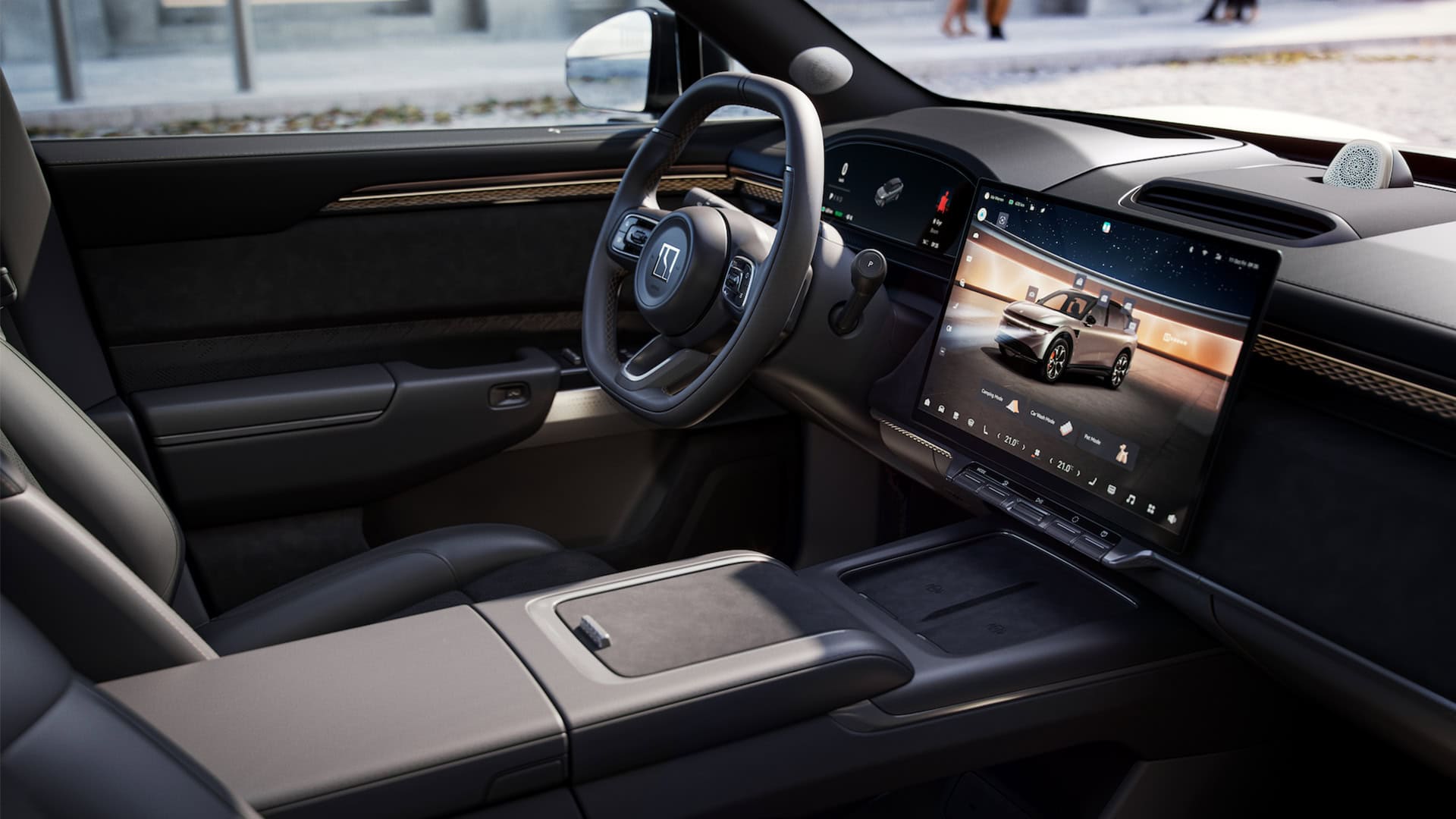
A sensible move, seeing as there has been a growing trend among carmakers to bury core car functionality under layers of touchscreen menus.
Call it the “Tesla effect”, but having to tap multiple icons to access the fog lights, turn up the heating or to adjust the side mirrors is infuriating, not to mention distracting. Don’t get me started on opening a modern glovebox.
The same Wired article pays reference to a study carried out by British consultancy TRL, which concluded that infotainment systems impair reaction times behind the wheel more than alcohol and narcotics use.
Driving is hard work, requires skill and a great deal of concentration, even if we feel we can do it with our eyes closed.
Manufacturers will wax lyrical about their AI voice assistants’ ability to assist with many functions, with everyone from VW to Mercedes-Benz innovating in that area. But real-world testing reveals they don’t always work and most of the time, the entire process takes longer and more brain power than relying on muscle memory to prod a switch.
Not everyone has got the memo
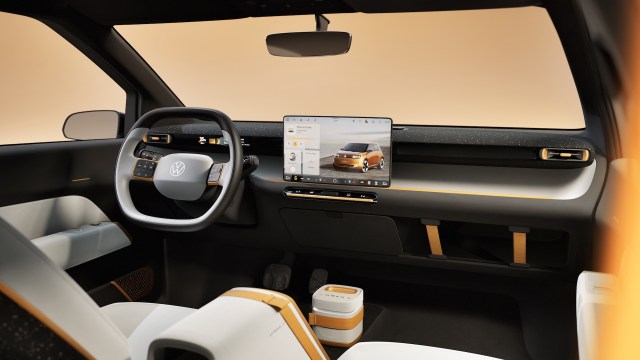
While many manufacturers have listened to customer feedback and have promised more physical buttons (VW is a good example), a number of others are pushing further into touchscreen territory.
Many new EVs hailing from China seem to have “borrowed” from the Tesla infotainment handbook wholesale and most commit everything to menus and submenus.
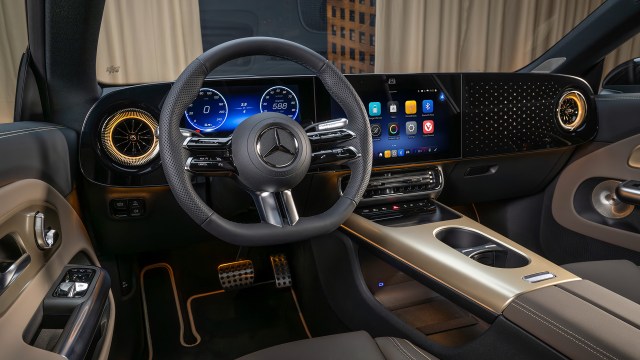
Mercedes-Benz has essentially introduced IMAX into its vehicles with the upcoming Supersceen system that’s to be debuted on the CLA.
Similarly, BMW revealed an update of its once fantastically tactile iDrive system that’s soon to become largely screen-based, swapping any remaining physical buttons for annoying haptic surfaces on the steering wheel.
In the US, Chevrolet just revealed an all-new interior for the iconic Corvette, which is now packed with screens. Although its original button layout was massively over-the-top.
As a modern car designer, it’s not easy to balance a clean, stylish and architectural interior with something that is safe and easy to use – the default is to remove as much clutter as possible, including helpful switchgear.
But it feels like the public has spoken and, finally, essential items like wipers, lights, indicators, horn, and hazard warning lights will be scrutinized by Europe’s leading vehicle safety organization.
However, with automotive manufacturers already eyeing up a time when we will all be driven around in fully autonomous pods, the return of physical buttons won’t be for long.
EuroNCAP will award high safety scores for cars with buttons Modern touchscreens have proven distracting for drivers But as cars get more complex, digital seems the logical way forward There has been a fresh call from both the industry and drivers to reduce the amount of distraction found in many…
