Now you see me, now you don’t – Mullvad introduces QUIC to disguise WireGuard traffic

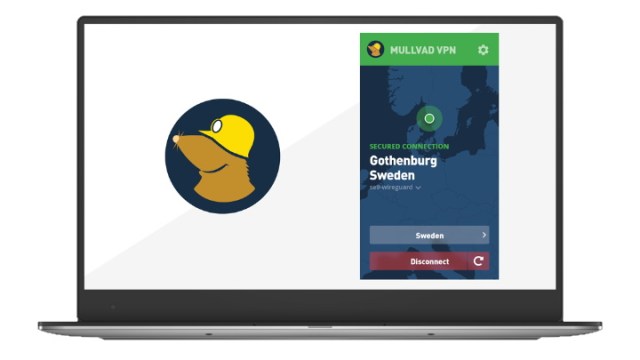
- Mullvad has added QUIC obfuscation for WireGuard on its desktop apps
- The protocol lets users blend in with regular traffic to bypass censorship
- An increasing number of VPNs now offer anti-censorship tools
Mullvad has rolled out QUIC obfuscation for WireGuard, aiming to make VPN traffic harder to spot and block by sophisticated firewalls.
Designed with users in heavily censored regions in mind, this latest update disguises WireGuard traffic as ordinary web traffic, providing a more reliable connection in countries such as China and Russia, which heavily throttle or outright block regular WireGuard traffic.
Mullvad’s latest move further reinforces its commitment to the WireGuard protocol following news that the provider will stop supporting OpenVPN in January 2026. It also reflects a growing trend among privacy-focused VPN providers looking to keep the internet accessible for users by updating their current VPN obfuscation techniques to stay a step ahead of online restrictions.
How QUIC works and why it matters
QUIC, short for Quick UDP Internet Connections, is a fast and lightweight transport protocol built on UDP. It was originally designed by Google as a faster, more resilient replacement for TCP in HTTP/2. It now serves as the foundation for the emerging HTTP/3 standard.
QUIC’s core strengths – low latency, built-in multiplexing (meaning it can carry multiple threads of data simultaneously), and resistance to packet loss – all make it an attractive carrier for virtual private network (VPN) traffic. Mullvad’s QUIC obfuscation encapsulates WireGuard’s usual UDP packets inside QUIC, the same transport protocol used by the likes of Google services and YouTube.
To make this work, Mullvad uses the MASQUE standard, which tunnels WireGuard’s UDP traffic through an HTTP/3 connection. In simple terms, this makes packets resemble normal encrypted web traffic so that firewalls and censorship systems have a harder time identifying and blocking them.
We are excited to add QUIC obfuscation for WireGuard, aimed at helping users bypass firewalls and censorship. This new feature is now available on all desktop platforms.The Android & iOS apps will include QUIC obfuscation in future releases.Read more here:…September 9, 2025
The new feature, now available via Mullvad’s Windows and Mac VPN apps (version 2025.9 onwards), is toggleable within the settings.
However, users who experience multiple failed connection attempts will see the app automatically revert to QUIC as per the app’s default settings.
If you’re a Mullvad subscriber, all you need to do is update your Mullvad desktop app to gain access to this latest feature, accessible via Settings > VPN settings > WireGuard Settings > Obfuscation > QUIC.
Mobile users needn’t feel left out either. Mullvad has already confirmed that its Android and iOS apps will also receive QUIC obfuscation in future updates.
How Mullvad’s QUIC stacks up against other major VPNs
An increasing number of VPNs are implementing ways for users to bypass censorship and other network restrictions. All the best VPN providers, Mullvad included, are constantly looking for newer, more effective methods – it’s just that their approaches differ.
Both Proton VPN and NordVPN have developed proprietary protocols to combat censorship. Proton’s Stealth protocol wraps WireGuard within TLS to mimic HTTPS, while NordVPN has recently introduced its own censorship-resistant protocol, NordWhisper.
ExpressVPN, Surfshark, and Mullvad, on the other hand, rely on existing technologies and adaptations for their VPN obfuscation tactics. ExpressVPN automatically applies obfuscation to OpenVPN traffic across its network. Surfshark uses Camouflage mode to scramble OpenVPN packets.
Both proprietary protocols and emerging industry-standard transports like QUIC have their merits. As long as censorship continues to prevent a free and open internet, VPN providers like Mullvad will continue to find new ways to help users slip past restrictions.
You might also like

Mullvad has added QUIC obfuscation for WireGuard on its desktop apps The protocol lets users blend in with regular traffic to bypass censorship An increasing number of VPNs now offer anti-censorship tools Mullvad has rolled out QUIC obfuscation for WireGuard, aiming to make VPN traffic harder to spot and block…
