New regulation could stop abusers from stalking via connected cars

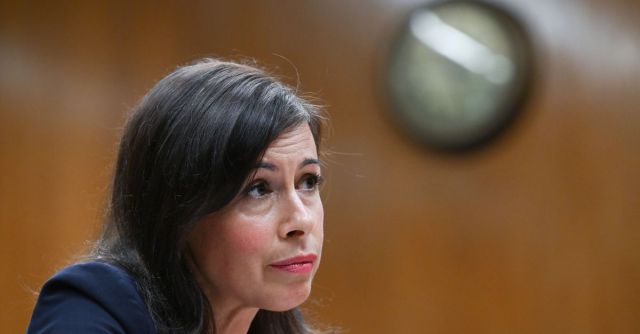
Federal Communications Commission Chair Jessica Rosenworcel shared a new proposal Wednesday that would make it harder for domestic abuse survivors to be stalked through their cars’ location tracking systems.
The notice of proposed rulemaking would kick off a process for the FCC to consider how it can use existing authority to create new protections for domestic abuse survivors. It seeks more information on available connected car services and whether changes to the way the agency implements the Safe Connections Act are necessary to address how those tools could be used for abuse. The agency is expected to take up the issue in the next month.
The Safe Connections Act, which was signed into law in late 2022, requires mobile service providers to let survivors of domestic abuse separate their phone lines from their abuser’s. Rosenworcel told Reuters that the issues with connected cars “seemed extraordinarily similar” to the agency’s work implementing the Safe Connections Act.
“A car is a critical lifeline that can give survivors a way to escape their abusers, gain independence, and seek support,” Rosenworcel said in a press release announcing the proposal. “Survivors of domestic abuse shouldn’t have to choose between giving up their vehicle and feeling safe.”
The move underscores the ubiquity of GPS tracking across many different devices and how those features can be exploited for tech-enabled abuse.
Outlets including Reuters and The New York Times have reported on examples of domestic abuse survivors being tracked by abusive partners through their internet-connected cars. In one case, a woman tried to sue Tesla for negligence in allegedly enabling her husband to stalk her through the vehicle, despite repeated complaints to the company, Reuters reported. But Tesla prevailed.
“Survivors of domestic abuse shouldn’t have to choose between giving up their vehicle and feeling safe.”
Last month, Rosenworcel wrote letters to nine leading automakers in the US, including Ford, General Motors, and Tesla, asking about how they handle geolocation data and if they have any plans to help domestic abuse survivors separate their car tracking from their abusers. Rosenworcel also sent letters to AT&T, T-Mobile, and Verizon at the time asking about how they treat geolocation data from connected car services and their compliance with the Safe Connections Act.
Tesla’s response, for example, does not directly address domestic abuse but says car owners can “customize the sharing parameters by restricting location visibility.” But Toyota wrote it will remove “access to vehicle location information and connectivity functions at the request of a domestic violence survivor or other authorized user.”
The notice of proposed rulemaking also seeks comment on how connected car service providers can proactively try to protect survivors from misuse of their systems. If adopted, the proposal would be open to a public comment period before the FCC shapes and votes on a rule.
Federal Communications Commission Chair Jessica Rosenworcel shared a new proposal Wednesday that would make it harder for domestic abuse survivors to be stalked through their cars’ location tracking systems. The notice of proposed rulemaking would kick off a process for the FCC to consider how it can use existing authority…
