Nearly every phone has this one annoying hardware feature – it’s time for phone makers to ditch ultra-wide cameras

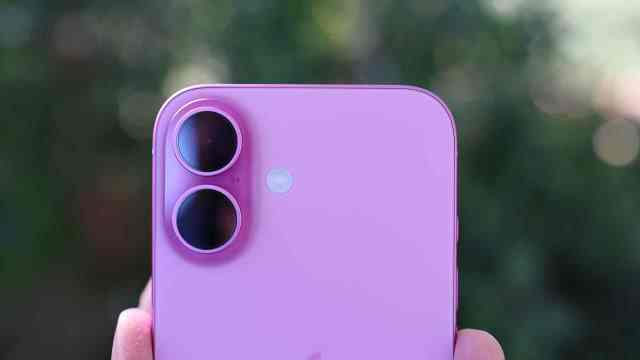
Pick up any modern phone – be it one of the best iPhones or best Android phones – and you’re likely to find a rear panel adorned with two, three, or even four cameras. In most cases, at least one of these cameras will be an ultra-wide lens – commonly referred to as a 0.5x or 0.6x zoom, compared to the main snapper.
Apple, for example, markets the base-model iPhone 16 as having a 4x optical zoom range thanks to an inner crop on its main camera and the 0.5x “magnification” offered by the ultra-wide camera.
But beyond neat figures for marketing and pseudo-zoom trickery, can any of us actually remember if we even wanted an ultra-wide camera to begin with?
The first phone to really make an impact by having two cameras was the iPhone 7 Plus, which pushed the idea of the dual camera setup into the mainstream. It came equipped with a wide-angle main camera and a 2x telephoto camera, at a time when even decent digital zoom wasn’t a given on smartphones.
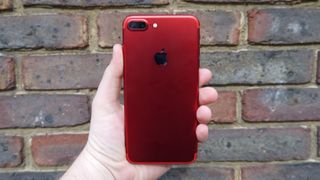
The revolutionary iPhone X, and its follow-up the iPhone XS, kept this momentum going, and the rivals of the day followed suit, with the Samsung Galaxy S9 Plus also sporting a telephoto camera.
Ever since the iPhone 11, though, it’s been seen as normal to fit premium, flagship handsets with ultra-wide secondary cameras, and the more useful telephoto lens has increasingly become a tertiary luxury. And in the budget world, telephoto lenses are a real rarity compared to the common – and presumably cheaper – ultra-wide option.
Ultra-wide cameras have their uses. The lesser focal distance of an ultra-wide camera means you can get up close to subjects, enabling macro photography. And sometimes you just need to fit more stuff in the frame.
However, for day-to-day photography – which is the majority of photography done with a smartphone – even a 2x telephoto zoom is so much more useful; it virtually extends the photographer’s reach to help them capture a wider variety of day-to-day happenings – not to mention better-looking portraits and detailed close-ups.
The ultra-wide cameras affixed to smartphones are also rarely meaningfully corrected by the phone’s image processing pipeline, meaning people and objects at the fringes of the image appear unnaturally stretched out.

Luckily, there does seem to be a course correction in motion. Xiaomi affixes telephoto cameras to several of its mid-range models, and even the new Xiaomi Mix Flip foldable has a 2x zoom as its sole backup. The Samsung Galaxy S24 family all carry an optical zoom camera of some description.
And I’m even glad of the rumors that suggest the next-generation iPhone SE will continue the single-camera tradition, as this means more investment and design resources can be allocated to things like performance and battery life instead of a camera with very limited use cases.
Hopefully, these choices begin to trickle down towards the best cheap phones over the coming years, but until then, it seems I’ll have to keep chasing the highest-performing phones for a secondary camera that I actually want to use.
You might also like
Pick up any modern phone – be it one of the best iPhones or best Android phones – and you’re likely to find a rear panel adorned with two, three, or even four cameras. In most cases, at least one of these cameras will be an ultra-wide lens – commonly…
