AI experts are feeling pretty good about the future of their field. Most Americans are not.
Most Americans don’t trust AI — or the people in charge of it
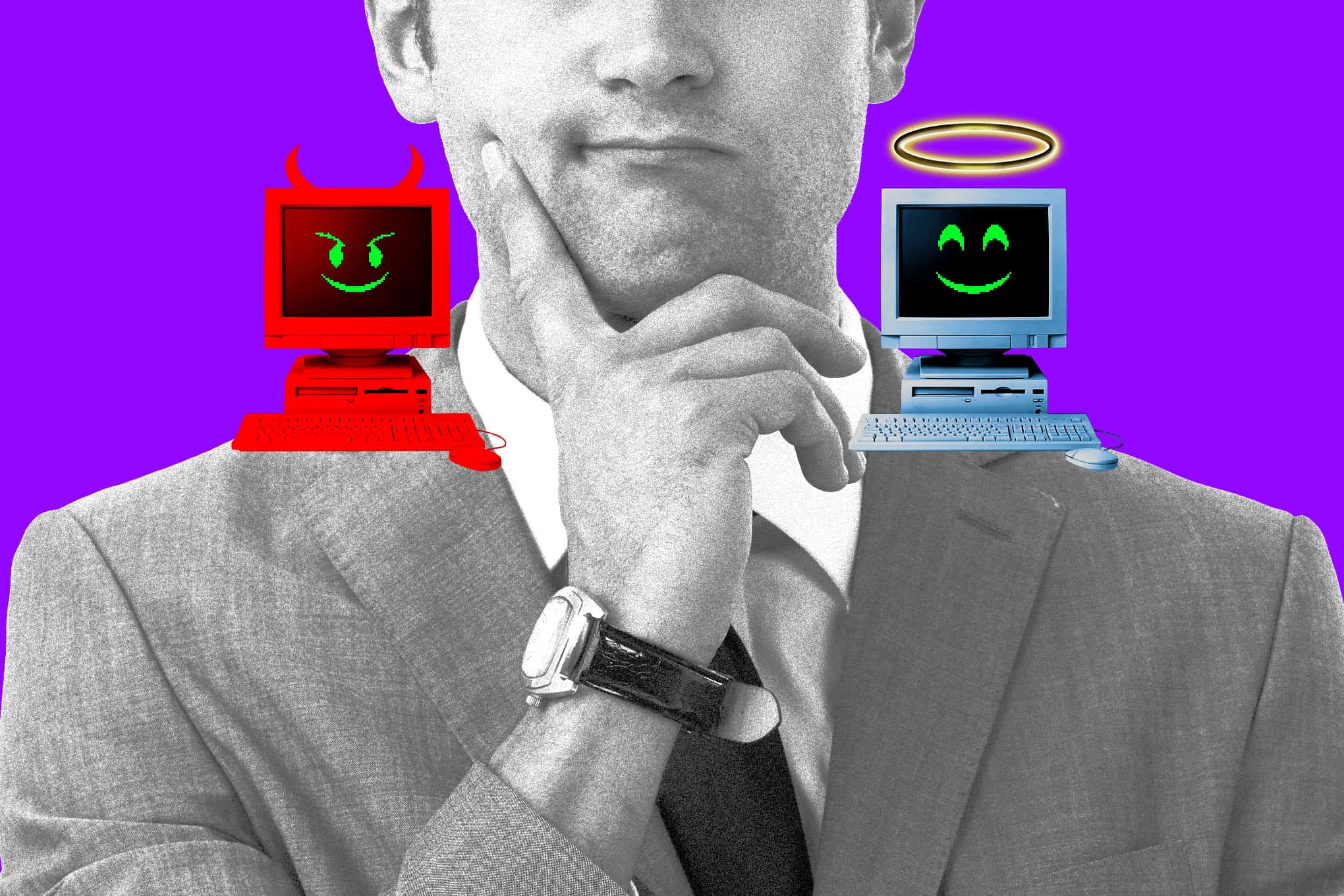

A new report from Pew Research Center released last week shows a sharp divide in how artificial intelligence is perceived by the people building it versus the people living with it. The survey, which includes responses from over 1,000 AI experts and more than 5,000 US adults, reveals a growing optimism gap: experts are hopeful, while the public is anxious, distrustful, and increasingly uneasy.
Roughly three-quarters of AI experts think the technology will benefit them personally. Only a quarter of the public says the same. Experts believe AI will make jobs better; the public thinks it will take them away. Even basic trust in the system is fractured: more than half of both groups say they want more control over how AI is used in their lives, and majorities say they don’t trust the government or private companies to regulate it responsibly.
That makes sense when you look at just how hard the US government has failed at basic tech regulation. Congress loves to haul big tech CEOs in for theatrical hearings where lawmakers fumble through questions about Section 230 that sound like they were written by someone who just discovered the internet yesterday.
Few Americans believe they have any agency in the AI-driven future.
“It seems like when you look at these … congressional hearings, they don’t understand it at all. I don’t know that I have faith that they would be able to bring on enough experts to understand it enough to regulate it, but I think it’s very important,” one academic expert said in the report.
The public’s skepticism about government AI regulation exists alongside the wildly ambitious claims of tech leaders about the future potential of AI. OpenAI CEO Sam Altman said he expects we may see “the first AI agents ‘join the workforce’ and materially change the output of companies” in 2025. That seems to show up in the data, too: few Americans believe they have any agency in the AI-driven future. Nearly 60 percent of US adults say they have little or no control over whether AI is used in their lives. That number isn’t much better among experts.
There are gender splits, too. Male AI experts are far more likely than women to say they feel optimistic and personally excited about AI. And when it comes to representation, both experts and the public agree that AI design reflects the perspectives of white men far more than women and Black or Hispanic communities. The diversity problem isn’t just about who builds the models — it’s baked into how people experience the technology.
While older generations debate the potential of AI, Gen Z is already living with it. A separate study released this week by Gallup and the Walton Family Foundation finds that Gen Z is highly engaged with AI tools like ChatGPT or Copilot — 79 percent report using them, and almost half do so weekly. But that doesn’t mean they trust it. In fact, Gen Z is more likely to say AI makes them feel anxious (41 percent) than excited (36 percent). Just 27 percent say it makes them feel hopeful.
“They haven’t gotten to a point where they feel like the benefits outweigh the risks.”
“Gen Z, they don’t trust the government, they don’t trust big tech companies, they don’t trust the news,” Zach Hrynowski, author of the Gallup report, told The Verge.
Gen Z recognizes that AI will shape their future jobs and learning, but they’re wary of its effects. Nearly half think AI will harm their “ability to think critically.” And while most believe AI can help them work and learn more efficiently, only a third of Gen Z workers trust work done with or by AI as much as human output.
Schools and workplaces aren’t helping much, either. Most Gen Z students say their schools lack clear AI policies, and over half of Gen Z workers report the same about their employers. But the research shows that when institutions do have clear AI rules, young people are more likely to use the tools, trust them, and feel prepared for the future.
AI may be advancing fast, but trust is lagging behind. The systems are getting smarter, but the people are skeptical — especially the ones who will have to live with it the longest.
“They haven’t gotten to a point where they feel like the benefits outweigh the risks,” Hrynowski said.
AI experts are feeling pretty good about the future of their field. Most Americans are not. A new report from Pew Research Center released last week shows a sharp divide in how artificial intelligence is perceived by the people building it versus the people living with it. The survey, which…
