Mark Zuckerberg claims open-source is ‘necessary for a positive AI future’

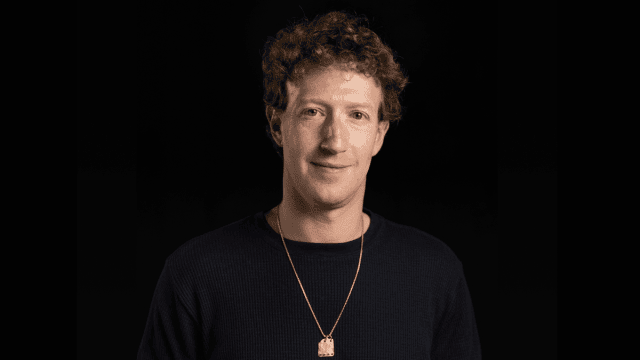
Meta CEO Mark Zuckerberg called for an open-source future for generative AI in a new essay. He argues that an open-source ecosystem benefits consumers globally and encourages innovation, indirectly throwing a rhetorical gauntlet at the feet of closed-source developers (and Meta competitors) like OpenAI and Google.
“Meta’s business model is about building the best experiences and services for people,” Zuckerberg wrote. “To do this, we must ensure that we always have access to the best technology, and that we’re not locking into a competitor’s closed ecosystem where they can restrict what we build.”
The principle behind open-source models is that they allow for a collaborative approach to development. Unlike closed-source models, which are restricted to a company’s internal team and its customers, open-source models can be accessed, modified, and improved by anyone. To smartphone owners, the difference can be seen when comparing Apple’s proprietary iOS and Google’s open-source Android operating system. Android is thus available on all kinds of devices, while iOS is limited to Apple devices.
In AI, closed-source models, like those from OpenAI and Google, are typically only available to a company’s customers and offer limited opportunities for modification. These models are designed to protect intellectual property and maintain control over the technology’s use.
According to Zuckerberg, developers benefit from having an open-source framework for AI. He contended that by making AI models available to a wide range of developers and researchers, the technology can be refined more rapidly and effectively.
This would lead to improvements in both security and overall functionality, as more eyes on the code would help identify and fix flaws faster than in a closed system.
AI Open vs. OpenAI
A common counter-argument against open-sourcing AI is that bad actors might use it maliciously or that adversarial nations might undermine the national security of rival countries with the technology. Zuckerberg acknowledged that but pushed back by saying closed-source models are not immune to such risks, as their code can also be stolen and used. Instead, he advocated U.S. companies working with the government and adopting an open-source approach.
Meta is already pursuing an open-source strategy with its Llama AI model portfolio. In the essay, Zuckerberg announced the latest version, Llama 3.1, claiming that it is one of the most advanced models available thanks in part to being open-source. Meta and Zuckerberg claim that by sharing such tools, they can better democratize AI development and ensure that its benefits are widely distributed. Zuckerberg believes that by making AI models open-source, a larger and more diverse group of developers can contribute to their development, potentially leading to more robust and secure systems.
The debate over open-source and closed-source models is likely to shape the future of AI development. For now, it looks like they may coexist like other kinds of software, but the exact contours of that coexistence are far from settled.
Zuckerberg’s advocacy for open-source AI could influence other companies to adopt similar approaches, fostering a more collaborative and inclusive AI development environment. However, the ultimate trajectory of AI development will depend on various factors, including technological advancements, regulatory frameworks, and market dynamics.
“I believe that open source is necessary for a positive AI future. AI has more potential than any other modern technology to increase human productivity, creativity, and quality of life – and to accelerate economic growth while unlocking progress in medical and scientific research,” Zuckerberg wrote. “Open source will ensure that more people around the world have access to the benefits and opportunities of AI, that power isn’t concentrated in the hands of a small number of companies, and that the technology can be deployed more evenly and safely across society.”
You might also like…
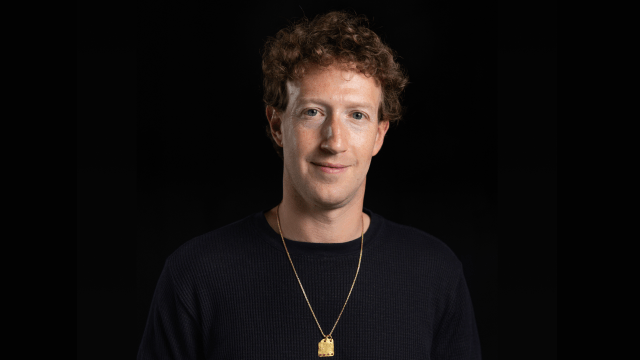
Meta CEO Mark Zuckerberg called for an open-source future for generative AI in a new essay. He argues that an open-source ecosystem benefits consumers globally and encourages innovation, indirectly throwing a rhetorical gauntlet at the feet of closed-source developers (and Meta competitors) like OpenAI and Google. “Meta’s business model is…
