Many of the most popular cars on the roads are absolute privacy nightmares

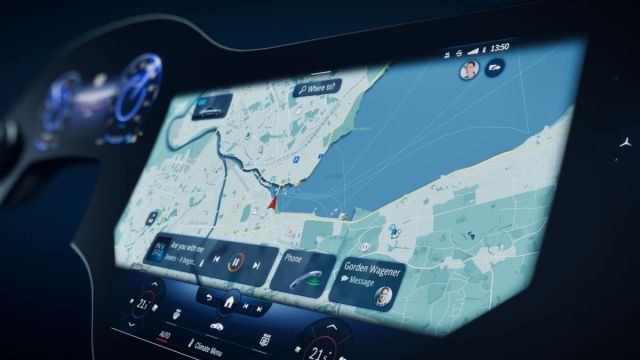
New research by Mozilla has uncovered a potentially grave threat facing millions of consumers globally, in a market that many might have thought would never previously have been affected.
The automotive industry has been undergoing a vast transformation over the past decade, and the electrification of many vehicles has brought significant improvements to the way we communicate with vehicles – at a cost.
In order for cars to collect the data they require to operate advanced driver safety features, sometimes tens of sensors may be deployed. Connecting these to the Internet, Mozilla says, has made cars “the worst product category we have ever reviewed for privacy.”
Is your car spying on you?
Mozilla’s crack team of researchers delved into 25 major manufacturers, awarding every single one of them its “Privacy Not Included” label – in other words, slating them for their poor practices.
The study found that all 25 collected more data than was necessary, including usage patterns, connected services and car apps, and even from third parties like Google Maps. Most of them (84%) then go on to sell this data, with three-quarters (76%) including personal data, however only two of them gave users any control over their personal data: namely, Renault and Dacia (which are part of the same company).
The study focussed on the following brands specifically, however it implies a stark reality that all manufacturers are just as bad thanks in part to the fact that car buyers tend not to focus on (or even consider) privacy when buying a new set of wheels. The 25 manufacturers have been grouped here in accordance with parent companies and alliances whereby models produced under different names share parts:
- Acura and Honda
- Audi and Volkswagen
- BMW
- Buick, Cadillac, Chevrolet, and GMC
- Chrysler, Fiat, Jeep, and Dodge
- Dacia, Nissan, and Renault
- Ford and Lincoln
- Hyundai and Kia
- Lexus and Toyota
- Mercedes
- Subaru
- Tesla
To make matters worse, the steps drivers can take to minimize impact are frankly nonexistent, with it either being impossible to opt out of certain elements or where doing so will disable key parts of the car.
We contacted all 25 manufacturers to comment on Mozilla’s findings and to discuss whether privacy may be a key area of interest for them moving forward, but none immediately responded to our request for comment.
More from TechRadarPro
New research by Mozilla has uncovered a potentially grave threat facing millions of consumers globally, in a market that many might have thought would never previously have been affected. The automotive industry has been undergoing a vast transformation over the past decade, and the electrification of many vehicles has brought…
