LG says next-gen “dream OLED” panel is finally real – but it might not come to TVs first
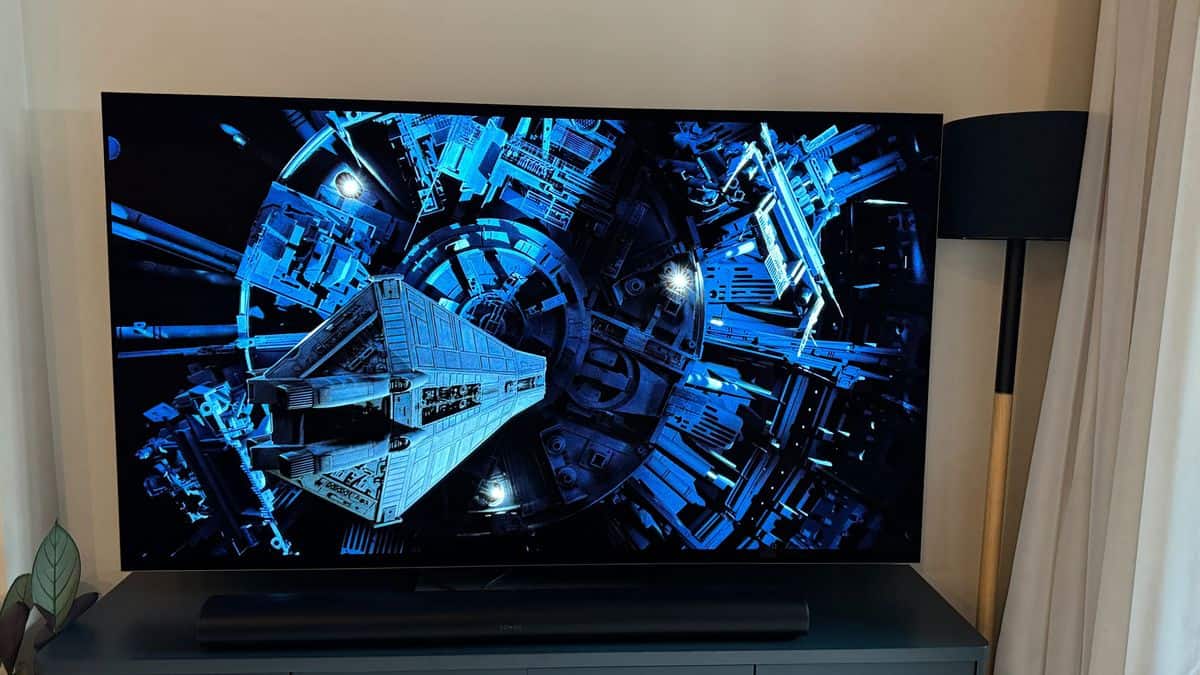
One of the most exciting technologies in TV land is blue phosphor OLED technology, or blue PHOLED for short. As we reported earlier this month, PHOLED is more efficient and provides much more brightness without also requiring more power. It’s used in the red and green pixels on OLED TV, but blue had eluded us until recently. Even now, though, it’s proving tricky to manufacture, and that means the next big thing in TV tech has taken a bit longer than expected to become a commercial reality.
That means the latest news from LG Display is exciting: the firm says it’s created a new OLED panel based on the blue “dream OLED material,” as described by LG (via translation). As reported by ETNews, LG Display has “successfully developed an OLED panel based on blue phosphorescence.” The panel is apparently a two-stack tandem OLED and will have similar longevity to existing OLEDs.
That’s the good news. But the detail suggests that it’ll still be some time before we see the tech in our screens. Previous reports have suggested that PHOLED won’t be ready for prime time until at least 2025, and this announcement doesn’t indicate a shorter time span – and suggests it may be even longer for TVs.
Why we’re curbing our enthusiasm over PHOLED TVs
The key words in the LG story are “tandem OLED”. Normally, OLED displays have a single light-emitting layer; in two-stack tandem OLEDs, there are two, one stacked on top of the other.
Apple uses tandem OLED technology in its iPad Pro (2024), and that just happens to underline the problem with tandem OLED tech: it’s very expensive. That means so far it’s been limited to use in smaller electronic devices and for car heads-up displays where its longevity and resistance to screen burn are worth paying extra for.
The problem is when you want to scale that up, the complexity and the cost also increase dramatically. And that means tandem OLED is in the same position as other new TV technologies when they were first developed: it’s very difficult to do at scale, and it costs an absolute fortune to do it. In the short term that means it’ll be in relatively few devices: for example Samsung intends to use the tech in its mobile phones as an upgrade from AMOLED, especially in folding phones, but hasn’t announced any plans to put it into the best OLED TVs.
LG is using the PHOLED material developed by Universal Display, which is the key firm behind the technology, and the use of a tandem system sounds like a compromise: while Universal Display’s goal is to have blue PHOLEDs in the same panels as the green and red ones that it already produces, it announced earlier this year that while “phosphorescent blue is coming [we] need some more time before commercial introduction”.
So, this is good news for screens in the best phones and best tablets, but it’ll actually have less of an impact there anyway, because small screens can already go very bright. It’s the best TVs that will benefit most from this, so we’ll have to wait to see when the tech comes to them – at this rate, it’s looking like 2026.
You might also like
One of the most exciting technologies in TV land is blue phosphor OLED technology, or blue PHOLED for short. As we reported earlier this month, PHOLED is more efficient and provides much more brightness without also requiring more power. It’s used in the red and green pixels on OLED TV,…
