Is this the future of America?

In 2007, the US was on the cusp of an economic recession, and Buddy Rizer was tasked with finding Loudoun County, Virginia, a new way to make money. Rizer’s earlier career as a radio DJ didn’t exactly make him an obvious candidate to find a solution, but he was looking for what he called a “real job” and stumbled into a role at Loudoun’s economic development authority.
This new gig came with urgency thanks to the bursting of the housing bubble: More than 80 percent of the county’s revenue came from residential real estate. The goal, at the time, was to raise the commercial tax base from about 19 percent of revenue to something like 23 percent, Rizer recalls. Today, just over half of the county’s tax revenue comes from commercial sources. To jumpstart that turnaround, Rizer turned to the carcasses of another recent bubble burst — those of the dot-com era.
The county had been home to the headquarters of AOL, which by 2000 was the US’s largest internet provider. Combined with its proximity to the nation’s capital and access to resources including water and electricity, Loudoun quickly emerged as the physical manifestation of the internet, the place responsible for how the majority of Americans got online. Estimates suggest that as much as 70 percent of the planet’s internet traffic passed through Loudoun County.
But after the collapse of dot-com stocks in 2000, followed by AOL’s disastrous merger with Time Warner, much of that industry dried up, and Loudoun was left with hulking, empty buildings and miles of fiber optic cable already laid in the ground. Where some people saw abandoned infrastructure, Buddy Rizer saw opportunity: “And so I thought if we can fill those, that would be a good start,” he says. Rizer soon realized that the same factors that made Loudoun County attractive to AOL could once again make it a hot spot for technology. It still had an internet exchange point, lots of land, a government eager for investment, and a capable local electricity utility. “And so we came up with this plan to attract data centers.”


Today, Loudoun County has another moniker: Data Center Alley. Over just a small portion of its roughly 515 square miles, it’s home to about 250 data centers, the densest concentration in the world. For a long time, residents there recall only a passing understanding of this, if they realized it at all. The development of data centers in Loudoun was just something going on in the background of many residents’ lives. They noticed construction along main roads, paid an increasingly lower property tax rate, and sent their kids to coveted public schools.
The county’s data center boom arrived as tech companies expanded into the cloud, a sanitized name for the blocky buildings that house rows and rows of servers. And with that business came prosperity: 22 new schools built in just the last 15 years, tax revenue from data centers alone that exceeded the county’s operational budget by $35 million in 2024, and a decline in real property tax rate for residents from about $1.29 to 80 cents per $100 in assessed value since 2008.
Some longtime residents never heard of their county’s nickname until recently, when the effects of data centers on the community started to become impossible to ignore. What had been a relatively quiet boon locally was starting to foment a national backlash elsewhere, and starting to disturb daily life in Loudoun, too.
The current, massive US data center buildout has been accelerating thanks to the widespread adoption of generative AI, which has created a growing need for the physical infrastructure to run tremendous amounts of “compute” — the industry term for processing power. There are already 3,000 data centers in operation around the US, according to an April analysis by the Pew Research Center, with 1,500 more in development. When Rizer began recruiting companies to build data centers in Loudoun, he sat on conference panels for secondary markets. Now when he attends data center conferences, Loudoun is the biggest market there, and “there’s more economic developers than there are data center companies, because everybody sees the opportunity.”
Loudoun County residents are also starting to take notice. Within the past few years, data centers have been elevated from an unremarkable part of daily life in Loudoun to something that many residents now think about every day. For some, it’s the constant hum they hear from their decks; for others, it’s the transmission towers that loom over their favorite green space, or the surprise call from their energy utility that one of those towers could go up in their own backyard. While residents recognize that data centers have brought a lot of prosperity to the county, they’re beginning to wonder how much more they can take.
As communities around the country begin recognizing the potential opportunities of building data centers, the efforts have also faced immense pushback. Opposition to this development is shaping strange alliances across the political spectrum and has become a central issue in this year’s midterm elections. New York and Texas have begun pumping the brakes on new data center buildouts, worried about how their energy grids could support them without leaving residents stuck holding the bag if major tech players change plans. Local stories from around the country show that residents are coming out to community meetings in droves to oppose data centers. In at least one case, a violent attack on a local Indianapolis official appeared motivated by his support for data centers. And national polls show that many Americans do not want to live near them.
With its long history hosting data centers, Loudoun residents have more recently taken to calling it something new: the canary in the coal mine of data center development. Want to know what the country’s future looks like? Loudoun County’s past gives a strong glimpse of it.
Even in Loudoun, where the existence of data centers has been a fact of life for nearly two decades, Rizer says that in the last few years, community opposition has become more vocal. “Before then, people understood what we were doing,” he says. These days, residents seem more aware of the inconveniences.
Rizer is no stranger to this kind of response to his projects, but the tone of the pushback is different. Residents have always had myriad worries: economic, environmental, and aesthetic. That part isn’t new. “I’ve done $70 billion of deals here, and the only thing in common is that somebody’s been against every single one of them,” Rizer says. “I have never seen, in my entire career, the vitriol, the hate that is associated with this.” Asked to put his radio DJ hat on to choose a soundtrack for this moment, he chuckles and says the first one that jumps into his head is Taylor Swift’s “You Need to Calm Down.”
As Rizer and other officials in Loudoun field their own residents’ concerns about data centers, they’re also being flooded with calls from local officials across the country looking for their advice. Rizer is the first to admit that hosting a data center, let alone hundreds, is not the right choice for every community. He stands by the work he’s done to bring them to Loudoun, and still believes they’ve benefited the county on the whole. But data center expansion in Loudoun has recently taken on a life of its own, to the point that even Rizer no longer spends his time courting new facilities. “We don’t want more data centers here, but we want those that are here to be successful and continue to contribute to our community,” he says, diplomatically.
But new facilities are coming anyway, and even Rizer, the “godfather of data centers,” is powerless to stop them. Over a series of visits to Loudoun County, I wanted to see for myself what it’s like to cross through communities surrounded by the cloud. Is the data center future that so many across the country seem to fear all it’s been built up to be?
“I have never seen, in my entire career, the vitriol, the hate that is associated with this.”
Long before it became Data Center Alley, Loudoun County was already solidifying its role as the hometown of the modern internet. In 1996, AOL decided to move its headquarters from neighboring Fairfax County to Loudoun, eventually employing more than 5,000 workers in Ashburn at its peak in 2004. Soon, the first internet exchange point, MAE-East, would make a similar move to Ashburn, making Loudoun the physical location where much of the world’s internet traffic flowed. It was further solidified as a tech juggernaut when telecom company MCI WorldCom also opened a large office in the area, which became its headquarters in 2003.
The companies brought more than just jobs and a new workforce to the area. They also laid fiber underground across the county, attracting other tech firms to the area because of the convenient promise of low latency and proximity to the nation’s capital. The attention earned Loudoun nicknames like “the Silicon Valley of the East” and “Dulles Technology Corridor,” after the nearby airport.
For a while, AOL and MCI’s presence made Loudoun an unlikely but bustling tech hub. Between 1990 and 2000, the county population doubled to 170,000. Early AOL employees have recounted lavish parties thrown by the company in its heyday, including “go-go-style dancers” and a sushi conveyor belt around an airplane at the nearby annex of the Smithsonian National Air and Space Museum.
During this time, data centers were already starting to pop up in Loudoun County, but with little fanfare. The first one arrived in 1997, and after that there was a slow drip of new data centers permitted in the area. In 2000, the local zoning administrator made a decision that would have lasting consequences later on, but made little noise at the time. Because data centers looked similar to offices, they became designated as “office parks,” meaning that they could be built on any land zoned for office space “by right” — bypassing more time-intensive regulatory review. That meant that unlike other commercial facilities like heavy machinery plants, which face more restrictions being built near populated residential areas, data centers could be built wherever offices had been allowed.
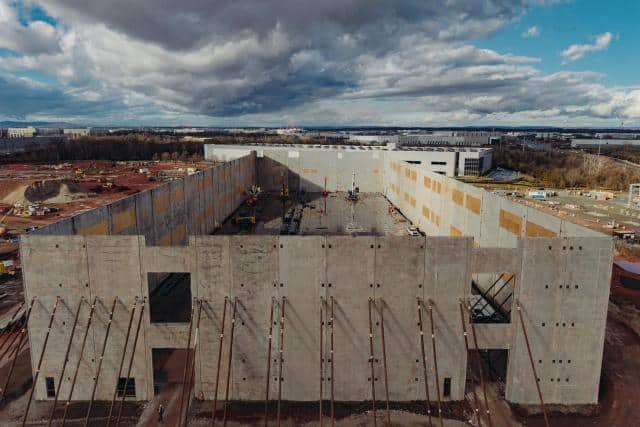
Then the dot-com bubble burst. In early 2000, AOL announced a blockbuster merger with Time Warner for more than $160 billion. But as the first wave of internet companies suffered sharp declines, AOL’s ad revenue tanked, and the country’s largest provider of dial-up internet was soon undercut further by the rise of faster cable broadband. MCI filed for bankruptcy in 2002 after a major accounting scandal. By 2006, it was acquired by Verizon, and a year later, a much diminished AOL announced it would move its headquarters to New York.
Soon after came the financial downturn that became the Great Recession. Looking for unique ways to pitch the county, Rizer, then a newly minted business development manager, saw an opportunity in the recently emptied buildings and miles of fiber still lacing Loudoun’s roads. From 2002 to 2005, no new data centers had been permitted. In the years after Rizer began courting them, only a few were permitted per year, county data shows, but growth was slow and steady. Then, in 2014, the number of data centers permitted jumped to seven. Rizer recalls feeling like the county could finally start relying less on its taxes from residents and more on commercial revenue. “We were catching up on schools and catching up on salaries for our workforce,” he says. He recalls no pushback out of the ordinary on any development project, and says that for 15 years, “everybody loved the data centers because of the difference it made in our community.” In 2018, data center permits tripled to 21 in a year, and they reached a new peak in 2022 at 25.
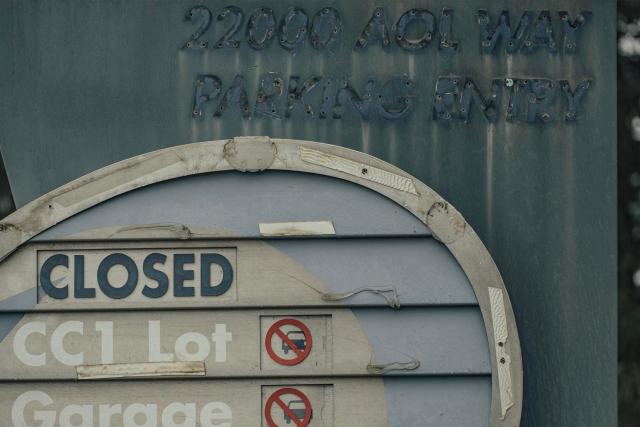
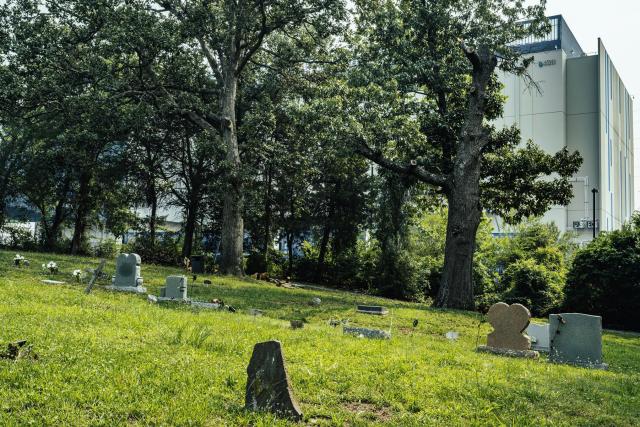
Only those who were really paying attention seemed to notice that Loudoun was quickly becoming the data center capital of the world. Many longtime residents I spoke to sheepishly admit they hardly recognized Loudoun’s global reputation for data centers, though they perhaps passively noticed the new, blocky buildings that popped up along main roads or the tall transmission towers near their favorite running trail.
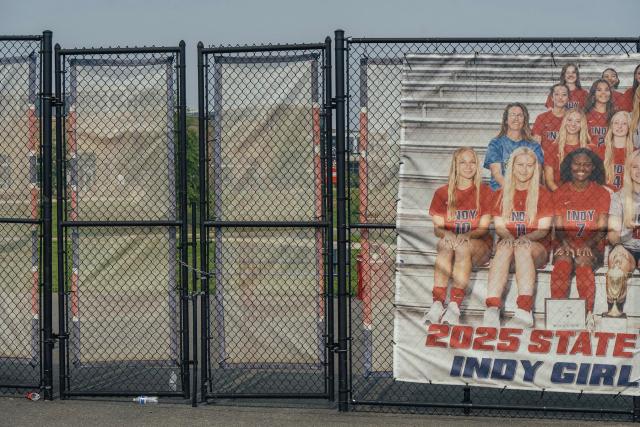
Over the past 20 years, though, Loudoun residents have seen a direct impact of data centers on their lives, whether they knew it or not. Real property tax rates declined dramatically, while property values have gone up in some communities as much as 182 percent in the last decade, even at residences close to data centers, according to county officials. The county has paved smooth roads and built sprawling athletic fields, a recreation center with an Olympic-size pool, and an average of nearly one and a half state-of-the-art public school buildings every year for the past 15 years, all thanks largely to the revenue generated by the county taxes data center companies have to pay anytime they get new equipment. And while data centers have gotten a reputation for creating relatively few jobs once they’re constructed, the county says that for every job inside those buildings, three and a half non-construction jobs are “supported” throughout the rest of the state economy. Those include ongoing maintenance at data centers, like electricians or HVAC technicians, and employment at other tech companies that move to Loudoun to be near where the data lives.
While the data centers take advantage of a long-standing tax exemption from the state, Rizer emphasizes that the county has never spent a dime to attract them to the area. “A majority of the people that live here now only know prosperity, only know the strongest local economy in the country, only know great services and great schools,” Rizer says. “And so they don’t necessarily connect to that. They don’t see that common thread between the fact that the data centers are here and they have a great quality of life.”
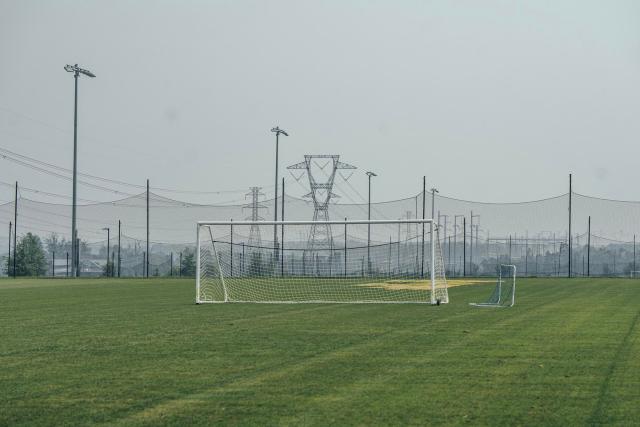
My most recent visit to Loudoun is on a July day when wildfire smoke that’s wafted down from Canada has sent air quality into a Code Purple. The ashy filter makes the grayish buildings all around look especially drab, though when I visit a local bike trail lined with trees and transmission towers, I still see plenty of cyclists braving the AQI that exceeds 200 in some spots.
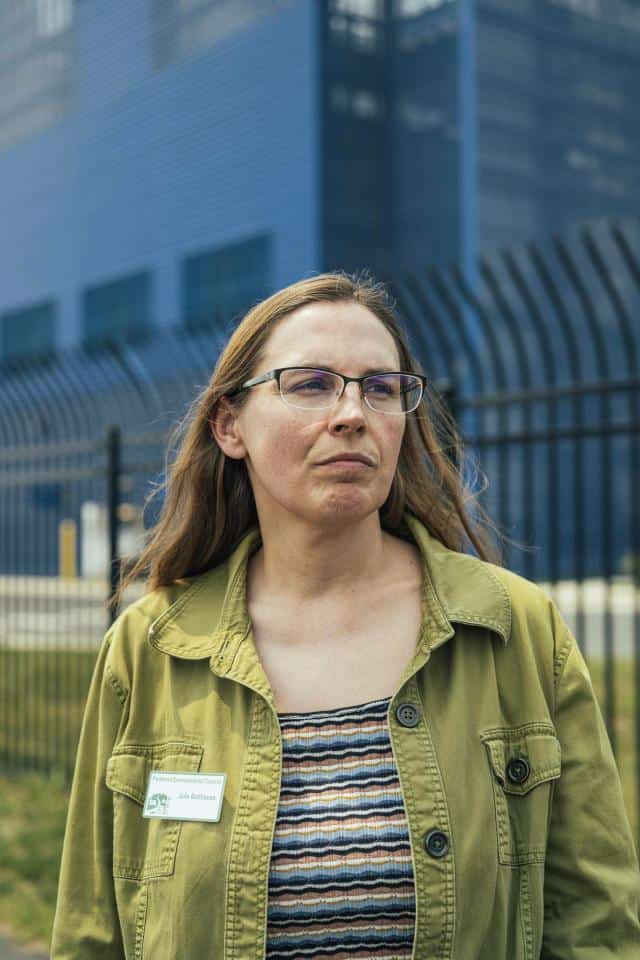
Julie Bolthouse, a longtime Loudoun resident who grew up across northern Virginia, drives me by the old AOL campus and points out a building with a playground on the other side of the street. “That used to be a major daycare center here in the heart of Data Center Alley, because there were so many people who worked here,” she says. “Now it’s just these big, giant computer energy-guzzling, water-guzzling warehouses.”
The lot where the old AOL campus sat is now filled with construction equipment and several-story buildings. The old headquarters has been demolished to make way for — you guessed it — more data centers.
Throughout Loudoun, Bolthouse remembers land that now houses data centers being home to business centers and dentist’s offices. She returned to the area after college, enjoying that it made an easy trip to both DC and Virginia’s Shenandoah National Park, and feeling comfortable in an area that’s generally not prone to major weather events like hurricanes. In 2017, the organization she joined, Piedmont Environmental Council (PEC), began tracking the impact of data centers on the local environment. A year later, Loudoun’s Board of Supervisors had one of its most contentious votes ever, narrowly approving a 750,000-square-foot data center spanning over 100 wooded acres near Goose Creek. Groups like PEC loudly objected to the development over environmental concerns, while those in favor of the proposal argued development would happen there regardless; it was just a matter of what would get built.
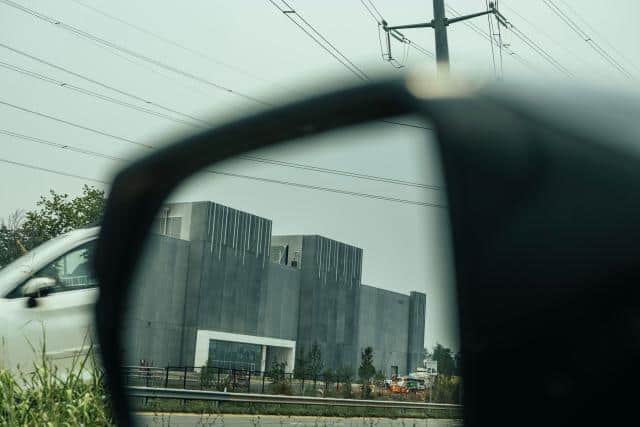
“Everybody loved the data centers because of the difference it made in our community”
Today, Bolthouse is the director of land use at PEC and helps lead a coalition of Virginia groups that advocate for stronger protections, tracking, and transparency around data center development. Bolthouse isn’t dispositionally anti-data center, nor does she want to see existing ones in the area torn down or shut off. But she does advocate for a pause on new development. “This industry is kind of creating a narrative that they’re up against communities, and that there’s a community backlash, and we just need to explain to the communities the benefits of data centers,” she says. “But what they’re really up against is physics. They’re up against the reality of what it takes to build out gigawatts of power, and the impact of building out gigawatts of power has direct impacts on people.”
Recently, she’s found, more of her neighbors are paying attention. She recalls 2025 as a turning point, where PEC no longer had to do the legwork to get people invested, but instead was triaging which press requests would make the most impact given its limited capacity. And for residents, data centers were becoming more than just eyesores. They were beginning to disrupt life in Loudoun.
Vicky Hu lives in a red brick home on a cul-de-sac beside a peaceful, tree-lined stream. Her backyard stretches far along the water, where a white gazebo gives shade to sit and watch the deer she says regularly cross her yard. Including her mother and daughter, three generations of Hu’s family have lived in this house. Having grown up in the city of Taipei, Hu marveled at the nature that surrounded her new home: deer as well as turtles and cranes. “To me, this is like a dream. My dream home,” she tells me.

Until last year, when Hu got a call that pierced that dream. She got a voicemail from a Dominion Energy representative and first wondered if there was an issue with her energy bill payment. Instead, she was told that a new transmission line connecting two substations would cut directly through her backyard. “Are you out of your fucking mind?” she yelled at the rep.
On the day I visit, the gazebo is filled with poster boards of blown-up maps of the community — and new development plans that threaten to overtake it. The trees along the stream are tagged with bright pink ribbons tied around their trunks. They mark the land Hu’s family says would be cleared should Dominion Energy’s plan to string 185-foot transmission towers through their backyard go through as planned. “It’s like the sort of thing you only think you’d see in a dystopian nightmare,” Hu’s daughter, 23-year-old Madison Taggart, tells me as she shows me around her childhood home.
Growing up, Taggart says that home always felt “like a timeless place that no one else could touch.” Hu bought it shortly after her daughter was born, having seen the community built from the ground up. She worked for a developer and recalls watching workers bury power and communication lines beneath the community from her trailer across the road. By 2003, she’d nearly finished selling the community, except for one lot that was reserved for a VP at her company. As Hu’s aging mother struggled with the stairs in her townhome, she kept thinking about that lot on the cul-de-sac next to the water. She asked her colleague if she could buy it, and two years later, she moved in.
Now, Hu is engaged in a yearlong fight to redirect the transmission line to another route — one that, so far, she’s on the losing end of, pending an appeal to the Supreme Court of Virginia. After that first phone call, Hu said she ran around the neighborhood “like a crazy woman,” ringing doorbells and asking if anyone had heard of the proposal. She said they hadn’t. By the time I visit, a sign in her backyard shows a diagram of the proposed 185-foot transmission tower next to a comparatively stout Statue of Liberty (if you exclude the base she stands on).
“That used to be a major daycare center here in the heart of Data Center Alley, because there were so many people who worked here. Now it’s just these big, giant computer energy-guzzling, water-guzzling warehouses.”
Dominion insists that building the transmission line is necessary to power not only data centers, but also homes, businesses, schools, and hospitals. The local school district has been dragged into the fight over the route as well, though, with one proposal cutting close to two nearby schools. Hu’s homeowners association donated a portion of land that would be cut through to the school district, preventing it from being seized by eminent domain.
Both the school district and residents in Hu’s community have been fighting the planned routes, and worry that the expansion could signal even more encroachment on key facets of the community down the road. “There’s also a deep concern for having this be a precedent that it could normalize easing the planning by just putting them on school property,” says April Chandler, Loudoun County School Board chair. Her concerns are with the kids and faculty of her community. “As a school board member, it’s not my job necessarily to consider what’s best for Dominion Energy or for data centers.”
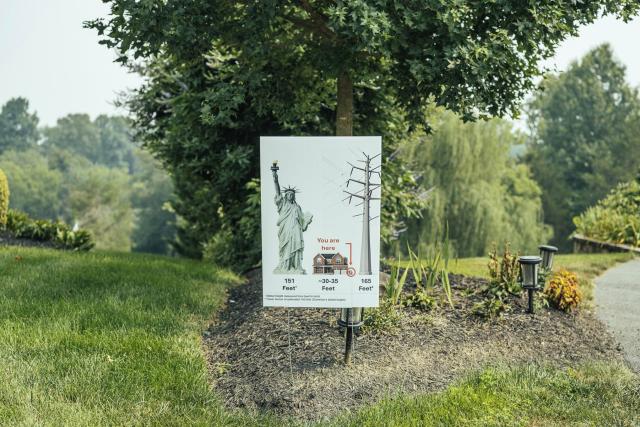
Despite working or living in Loudoun since 2000, Hu had never heard the nickname “Data Center Alley” until last year, when a Swiss reporter came to interview her about life in the data center capital of the world. Now, she can’t unhear it. She notices transmission towers everywhere she goes. And she worries nowhere is truly safe from the ever-expanding buildout. “This is just the first power line coming through a neighborhood. Where do you think the rest of the power lines [are] going to go through?” she asks. She predicts that in the next five to 10 years, “when you look at the sky in Ashburn … you’re going to see a power line running everywhere, like a spiderweb.”
Should she lose the fight to preserve her backyard, Hu says she’d have no choice but to leave. “Do I want to stay here sitting on my deck watching the power pole? … Or should I stay here for a couple years to see if I’m going to get cancer or a brain tumor?” She has lost sleep and hair fretting over how to save her home this past year. “It’s just very sad,” she says. “You‘re thinking, ‘You work your whole life, you own something.’ But you actually don’t own it, because a power company can say, ‘I like your house. I want to take it.’”
As I get out of the car a couple blocks down from the Vantage VA2 data center, I can already hear the whirring. Because I visited on a day with such poor air quality, what I’m told are usually invisible emissions plumes make a faint outline in the smoggy air. They’re emitted, Bolthouse tells me, by the diesel generators powering the facility. She compares the noise to that of a lawn mower. (I later find out that the generators are never supposed to run on day with such poor air quality, but an emergency circuit issue required them to kick in temporarily.)
It doesn’t always sound like a lawn mower, though. Other days, the gas turbines that power the data center make an even more annoying high-pitched squealing noise, nearby residents like Lindsay Shaw tell me. We meet while she’s out for a walk with her dog, and she describes the way the sound permeates into her home. Constant light from the data center shines right into her bedroom at night unless the bathroom door is fully closed. Her fiancé has taken to wearing an eye mask.
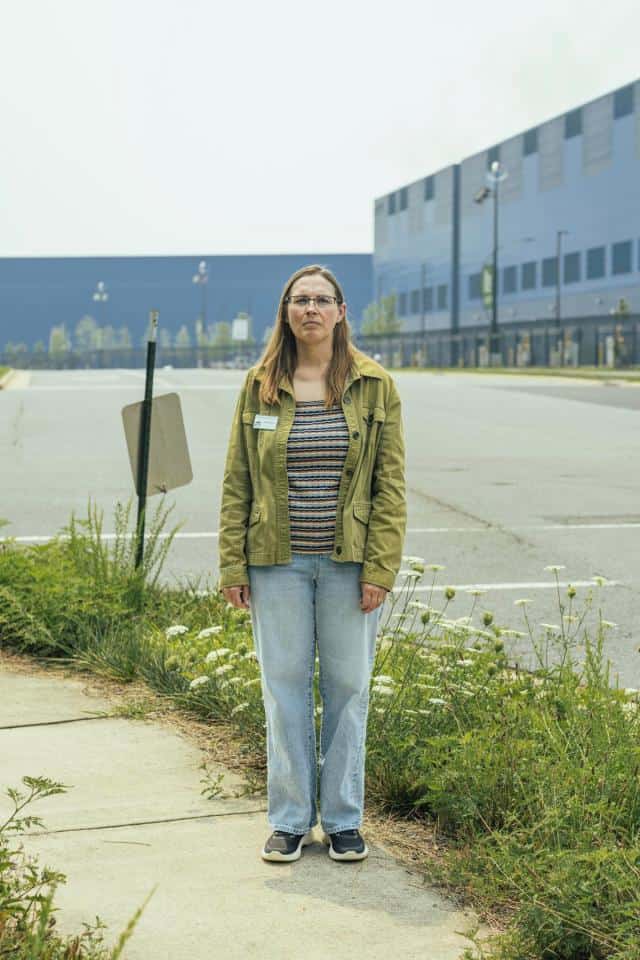
Nobody wanted it this way. In an ideal world, Vantage would have done what hundreds of other data centers in the area have done and connected to the Dominion energy grid by the time the site went online last year. But after Vantage had already signed agreements with customers leasing space in the new data center, Dominion informed Vantage it didn’t have enough capacity to get the 800,000-square-foot data center on the grid. Rather than let the building sit dormant until Dominion built up capacity, Vantage decided to create its own energy source using gas turbines. This is becoming more and more common in other parts of the country, as the new AI-motivated data centers require vastly more energy than the old cloud servers.
Residents and local politicians acknowledge that the Vantage site is an outlier because of its unusual reliance on on-site generated power from natural gas — albeit a very annoying one. Before it was built, Shaw tells me she thought a data center would be among the best options that could come to the lot across the street, in part because it wouldn’t be something that would drive a lot of traffic near what she says is an already dangerous intersection. But now she says the data center has caused plenty of other problems and feels the operators have not been proactive enough in engaging neighbors. Vantage’s senior vice president of global public policy, John Stephenson, says he “would respectfully disagree” that they haven’t proactively engaged nearby residents. He notes that they held a community meeting at a nearby brewery to field questions early on, but admits that “in retrospect, we probably could have done more.” The company has taken different approaches to mitigate the noise, including installing insulation and repositioning the turbines to lower their tone.
But residents who live near other data centers throughout Loudoun — even those that don’t have to generate their own power on-site — also complain of noise. Jason Mello says he hears a constant “low-frequency drone” he attributes to the HVAC systems of nearby data centers from his Ashburn home. Living near Dulles Airport, many Ashburn residents are used to the sound of planes overhead, “but planes come and go. The data center hum never stops.”
Mello shows me videos of the noise from his deck outside a town hall meeting where we meet. He says he’s already spent $2,600 getting two new window inserts, with three more to go in his bedroom. He was quoted at least $15,000 for new siding that would further mitigate the noise. “As a homeowner, if I want to live in peace at night, that addresses the inside,” he says, “but if I’m sitting on my deck, I can constantly hear that humming. And I think that’s why you got to fix the problem also at the source.”
“You’re thinking, ‘You work your whole life, you own something.’ But you actually don’t own it, because a power company can say, ‘I like your house. I want to take it.’”
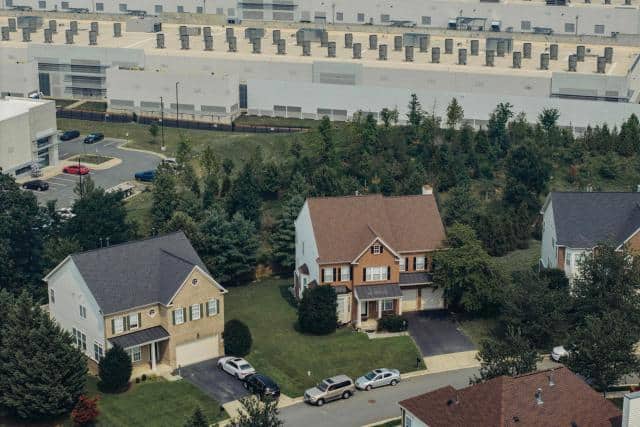
Several residents tell me that the boom in infrastructure needed to support the data centers has impacted their ability to enjoy the natural resources of Loudoun that once attracted them. “You can barely hear the birds anymore,” says Jessica Medeiros, another resident who lives across the street from the Vantage data center. Even when she tries to retreat from the noise near her home, she’s regularly reminded of the data centers’ presence. As a regular runner on the famed Washington and Old Dominion trail for the past 20 years, Medeiros says the “constant construction,” towering power lines, and reduced shade because of cleared trees “ruins the experience with nature.” She often says that when she dies, “I want my ashes scattered along the trail. But I think that trail’s going to look a lot different in another 10 years.”
“The greenery is gone. The sense of community is gone. It feels very stale,” says Jenny Marza, another Loudoun County resident. “There’s no more trees left and every inch is taken up by greed.”
While fighting new development near her own home, Marza has already felt pressure from the data center explosion on her small export logistics business. For years she’s been looking at buying office and warehouse space in the area to be near the airport, but prices have been so astronomical that she’s been forced to continue leasing. Now, even her current office rent has skyrocketed — she suspects because every landlord knows that data centers are willing to pay an average of $3.76 million per acre.
It doesn’t always sound like a lawn mower, though. Other days, the gas turbines that power the data center make an even more annoying high-pitched squealing noise.
Marza says “I’m kicking myself” over a warehouse she came close to buying last year for around $5 million, but held off because it was more space than she needed at the time. “And then we put a pause on the search for two years and when we returned, it was like, ‘Holy crap, there’s nothing left.’” Anything that was selling at $5 million was now $10 million. To Marza, the residential property tax savings and increased home values mean little when compared to the quality-of-life concerns she has and the ability to help her small business survive. “I feel like it’s a drop in the ocean of what they’re getting in return,” she says. “I feel like nobody protected our interests as a community.”
“Done the right way, you can be good neighbors,” Shaw says, reflecting on the Vantage site near her home. “But this one was done like that shady neighbor next door that has people coming in and out all hours of the night. And then the FBI raids them and you’re like, ‘Well, I knew something shady was going on.’”
When I arrive at the Loudoun government building on a July evening shortly before 6:30PM, I’m handed a red flyer outside by a group advocating for local government control of utilities used to power data centers. Inside, the nearly full room is prominently speckled with light blue shirts that read “I support data centers.” The shirts list the reasons: “Because I like: lower taxes, excellent schools, better job opportunities.” They also include caveats: “When they are: in the right location, well-designed, quiet, environmentally sensitive.” The slogan doesn’t exactly roll off the tongue.
I comfortably score a seat, but later hear complaints from some attendees who say they arrived shortly after me and were relegated to the overflow room. Though it’s a first-come-first-served event, those critical of data centers grumble that industry supporters seem suspiciously well organized in their early arrivals.
Still, it doesn’t have the kind of fireworks or soundbites that have made community meetings about data centers around the country into national news. While some residents voice strong frustration, the two-and-a-half-hour forum is cordial and respectful of Board of Supervisors Chair Phyllis Randall’s request of no cheering nor jeering.
“Planes come and go. The data center hum never stops.”
Randall is in a tough spot. As head of the elected nine-member panel tasked with adopting local ordinances, appropriating funds, and rezoning land, Randall has just enough power for her constituents to lay responsibility for their criticism at her feet, yet not enough to change some of the things she says she wishes she could. At the meeting, she listens to residents’ concerns, promising to follow up with phone calls for some while repeatedly acknowledging and lamenting the quality-of-life frustrations many of her neighbors have about living near data centers. But she also declines to give ground on topics she said are unfounded or detached from political reality.
Randall walks residents through the history of data centers in Loudoun, including what they are and how they came to be zoned the same way as office parks. Before getting to the audience participation portion, she clicks to a slide that says “4 Things That Are Unpopular But True” with a grimace emoji. The first: At one point in time, residents actually preferred data centers over new housing developments. She references opposition to a 2021 proposal to build up to 779 residential housing units in Ashburn, called Hyde Park. Across about 125 comments, residents reportedly worried about increased traffic and infrastructure strain. Nearly two years after submitting the application, the developer withdrew and decided to establish a by-right data center there instead. “One of my worst days was January 5th, 2023, when the applicant called me and said, ‘Forget it. I’m going to go build a data center,’” Randall says. “And I pretty much begged them not to.”
“So do you want them? And if you do, where do you want them? How many do you want? And under what conditions would you take them?”
The second unpopular truth: It’s not legal for Loudoun to enact a moratorium on development without the state’s permission.
Third: Both the Biden and Trump administrations have indicated AI infrastructure buildout will be a national priority, so that’s unlikely to change anytime soon.
And fourth: Despite resident backlash to certain data center land use exceptions the board has granted, the alternative would have been that those data centers could take the land by right anyway, with much less in return. The lesson being, if data centers can break ground whether government officials want them to or not, the county might as well get something out of it.
Residents who speak at the hearing do not dispute her account of the county’s history. Many express frustration about the buildings encroaching on greenery or creating annoying and near-constant noise issues. But many others, including several in the blue shirts, argue in support of data centers as stewards of the community they are proud to be known for. One Ashburn resident describes a peaceful experience living across from a data center. “When the weather is good, I’ll open my bedroom windows, from which I can see it directly. It is silent, it is clean. It is a good neighbor,” he says. Another resident, who leads the nonprofit Northern Virginia Science Center Foundation, credits data centers with generating revenue that can help fund such endeavors to a greater degree than it sees in nearby Fairfax. The organization lists Loudoun County, Dominion Energy, and data center company QTS among its partners.
Randall affirms residents’ data center complaints, but also fact-checks several claims about supposed data center projects she says never existed in the first place. One Ashburn resident, for example, bemoans what he calls the “Ashburn Commons proposal” that would create a blight next to existing housing, greenery, and other community institutions. Randall asks him to clarify if he is thinking about a proposal near the Harris Teeter grocery store.
“Yes!” he answers.
“That’s not real,” Randall says. Her colleague adds the would-be developer hasn’t even submitted a formal application for it, and the government had denied an initial request.
“Well,” the resident cries out, “praise the Lord on that!”
“I don’t want to be the example of what not to do.”
For all the gripes, I’ve still yet to meet anyone in Loudoun County who actually says they oppose data centers entirely. Whether they’re currently living next to gas turbines or their backyard could potentially be seized to build a transmission tower, Loudoun residents still recognize that data centers help power the technology we use every day. After all, they need to go somewhere. Why not there?
But even if Loudoun residents have accepted the economic benefits as a tradeoff for the loud eyesores near their homes, it doesn’t mean they’re open to an expansion of that deal.
“It’s not about trying to get rid of the existing data centers. These data centers are here. They’re running. I don’t want them to go anywhere,” Bolthouse says. “The question isn’t, ‘Do we need data centers?’ The question is, ‘Is it worth threatening our air quality, threatening our water supply, and throwing our communities into chaos, and taking people’s private land for transmission lines to get it?’”
I spoke with over half a dozen Loudoun residents, and universally, this is what they want communities considering data centers to understand: Know what you’re getting into. That means making sure existing laws and ordinances will apply to data centers, that local utilities have a plan to ensure enough capacity for the expected buildout, and that neither data centers nor the infrastructure needed to power them can be built too close to homes or schools.
Even Rizer says the buildout in Loudoun has, in some places, gone beyond what he’d have hoped. “There’s no data centers here that aren’t where they’re allowed to be, but I think sometimes there’s a difference between what you’re allowed to do and what is probably best for the community,” he says. “And that’s what we’ve had to clean up a little bit.” At the town hall, Randall showed aerial images of several residential communities that were directly bordered by data centers. Those arrangements are not what any Loudoun official or resident considers ideal — but even so, she said, property values in those communities have only gone up.
There are limits. Loudoun hasn’t had a strategic focus on bringing in more data centers since 2019, Rizer says. More recently, the local government is pursuing a plan to pump the brakes further — doing away with the ability for data centers to use office-zoned land by right, and considering pausing new permit reviews while contemplating zoning changes that could better address community impacts.
When peers around the country contact him about whether they should invite data centers into their communities, Rizer says, “It’s not right for every place. So do you want them? And if you do, where do you want them? How many do you want? And under what conditions would you take them?”
For Loudoun, unlike many yet-to-be-developed areas in the US, there is a definitive end in sight. The county has an ever-diminishing amount of space left to develop data centers, after which point it will continue to collect tax revenue when the companies update equipment within their walls.
Loudoun residents hope that by the time it gets to that point, the things that they love about the area are still there. For many, it’s the convenience of living near DC, but still close to nature. It’s also often about the quality public schools, funded in part with the revenue raised by the colossal energy-guzzling slabs in their backyards.
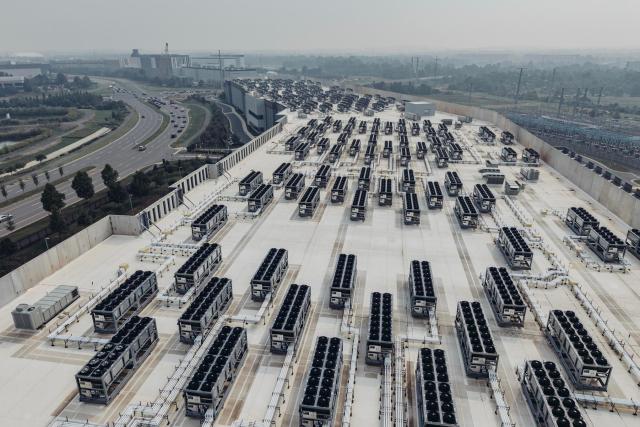
AOL’s roots helped make Loudoun the first major data center capital, and that came with both advantages and challenges. For communities starting to consider their first data center today, Bolthouse says they’re in a much better position than Loudoun was because the industry isn’t yet “embedded” in layers of government. She still thinks their story could become a beacon of hope for others, rather than a warning — but it’s an uphill battle to get there.
“I don’t want to be the example of what not to do,” she says. “I want to be the example of what to do. I want to bring journalists out to see how we fixed problems, how we are doing much better, and how communities are happy with these facilities because they’ve done something better.” Hearing Bolthouse’s frustration with the ever-expanding energy demands imposed by data centers, it’s surprising to hear her embrace the ones that are already here. But for all the friction they’ve caused in her community recently, it’s also clear from my visits and conversations that data centers have played a central role in supporting many positive aspects of life in Loudoun. The question, now, is whether Loudoun can manage its existing demand and successfully serve community needs as the data center footprint continues to grow.
If Bolthouse sounds optimistic, she is certain that something has to give. In the past, Loudoun’s data center buildout was quiet and steady. Today’s is anything but. “I don’t see how that happens with the scale and speed to market that the industry is pursuing.”
InIn 2007, the US was on the cusp of an economic recession, and Buddy Rizer was tasked with finding Loudoun County, Virginia, a new way to make money. Rizer’s earlier career as a radio DJ didn’t exactly make him an obvious candidate to find a solution, but he was looking…
