Intel’s fix for its Raptor Lake problems might lower performance by 6.5%, but there’s more to the story

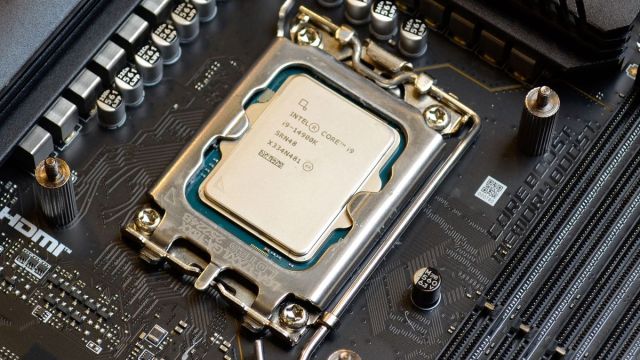
It’s no secret that Intel has been experiencing major issues with its 13th and 14th-gen desktop processors for nearly a year now, which has been slowly tanking some of its best processors — especially the Core i9-13900K and Core i9-14900K — in terms of performance. And now there’s a new instability update that seems to be dropping speeds even more.
Users have been testing out Intel’s latest BIOS patch, which is supposed to fix instability on Intel’s 13th-gen and 14th-gen processors. However, user twfox on the Chiphell forums has noticed a 6.5% drop in the Core i9-13900K in Cinebench R15’s single-core performance. In the Cinebench R23, the Core i9-14900K dropped about 2% of its multi-core performance score, putting it behind the AMD Ryzen 9 7950X.
While this may seem bad (and that would be the understandable take), as Digital Trends notes, this is much milder compared to previous drops in performance that ranged from 9 to 20%. Intel has clearly learned from its first round of motherboard updates and is gradually mitigating the issue to far more acceptable levels.
Intel could still be in danger
According to an Intel blog update, the final issue with the 13th and 14th-gen processors has been discovered, which the current BIOS update addresses. “Microcode and BIOS code requesting elevated core voltages which can cause Vmin shift especially during periods of idle and/or light activity.”
However, ‘mitigated impact’ is not ‘no impact,’ and the latter is what Intel seemed to promise when it reported on the patch’s internal test results. However, 2% and 6.5% performance differences are typically well within the allowable margin for system variances, so in the end, Intel’s chips look to have been fixed by the new update.
Fortunately for Intel, Team Blue is moving on to a whole new architecture with Arrow Lake and these current issues shouldn’t affect the new chips. This is especially important, as Arrow Lake is set for an October launch. Coupled with performance-improvement updates for both AMD Ryzen 9000 series and Intel’s last two generations, it’ll be vital to pay attention to benchmark test scores in upcoming reviews.
Hopefully, Intel will have this whole situation dealt with for next-gen, because right now AMD is gunning for Intel’s desktop market share and Team Red’s chip game has been evolving by leaps and bounds while generally keeping its MSRP lower than Team Blue’s offerings. We’ll see soon enough though if Intel can hold the line with Arrow Lake.
You might also like
It’s no secret that Intel has been experiencing major issues with its 13th and 14th-gen desktop processors for nearly a year now, which has been slowly tanking some of its best processors — especially the Core i9-13900K and Core i9-14900K — in terms of performance. And now there’s a new…
