I’m a smartwatch expert, and I can tell you the “useless smartwatch” headlines doing the rounds are pretty much baseless

Researchers from the American Psychological Association recently published findings from 781 Garmin Vivosmart 4 users, collected over three months, reporting no correlation between the stress levels shown on the watch and the self-reported feelings of stress by the participants.
Typically, this has been jumped on by the media, quick to write headlines like “Smartwatches offer little insight into stress levels” and “Your smartwatch is lying to you about stress levels” and so on. However, as someone whose job it is to test the best smartwatches and fitness trackers on the market, I think there’s more to this than meets the eye.
At first glance, the research seems pretty damning: in the three-month window, participants were asked to regularly self-report how they felt they were sleeping, along with information about their perceived tiredness and stress levels.
The study, published in the Journal of Psychopathology and Clinical Science, had this to say regarding the results:
“Self-report and wearable measures of sleep-related variables showed robust associations, while associations were weaker for tiredness, and measures of stress did not overlap for most individuals. These findings suggest that wearable data and their corresponding self-report measures may not necessarily measure similar constructs.”
So while the Vivosmart 4 is good for sleep tracking and lines up with self-reported sleep quality, it struggles to tell when you’re tired and stressed.

The researchers were aiming to see if wearable technology can provide a “warning system” for depression in students, using the above biomarkers. Most headlines have largely ignored this or buried the lede, conflating stress with excitement and high heart rate.
The stress Garmin watches refer to is physiological stress, which happens to your nervous system when your heart beats faster and you start to sweat. Exercise, excitement, arousal, and other emotional factors can cause this to happen to your body. It’s impossible for LED heart rate and body temperature sensors to read your mood, so it’s all logged as ‘stress’.
I’m currently testing the WHOOP MG, and its app also contains a stress metric. On asking its AI coach – what a time to be alive – whether stress meant emotional or physiological, my app had this to say:
“The Stress metric in the WHOOP app is physiological – it’s based on signals from your body, not how you feel emotionally.”
“While emotional stress (like anxiety or pressure at work) can show up in your score, so can things like a tough workout, poor sleep, or even fighting off a cold. The Stress Score is a window into how your body is handling all types of stressors, not just your mood.”
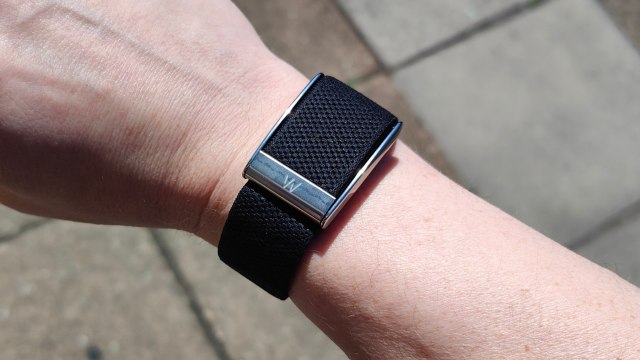
It’s easy to see how people get confused, and there is a grain of truth in that the headlines would be correct in assuming smartwatches aren’t very good at calculating people’s moods.
However, that’s because they weren’t designed to actually record mood, rather than any failing on their part. The whole study was testing whether smartwatches could be used as a depression predictor, and while indicators such as lack of sleep can be accurately measured, they can’t do moods – especially if people are recording themselves as feeling stressed out, rather than reporting physiological sources of stress.
My tip? Use the stress metric in tandem with other metrics, such as sleep and calories burned, to understand when it’s time to take a rest if you’re able to do so. If your stress is high and your sleep is low, but you feel otherwise happy, you might want to skip the bars or the gym this Friday night and have a relaxing evening with a book to bring that stress score down.
You might also like

Researchers from the American Psychological Association recently published findings from 781 Garmin Vivosmart 4 users, collected over three months, reporting no correlation between the stress levels shown on the watch and the self-reported feelings of stress by the participants. Typically, this has been jumped on by the media, quick to…
