Huawei’s journey may be the blueprint for a post-Trump, non-US centric technology world

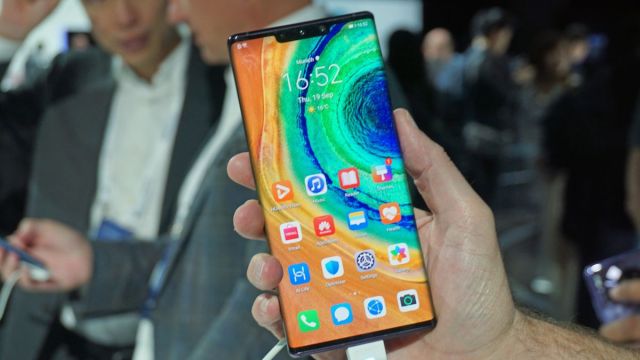
One $100 billion technology company is probably looking at the current chaos caused by President Trump’s tariffs with a serene, detached view. Huawei.
The firm was blocked from the US market in 2019, during the first term of the current President, and has had to adjust, losing out on its biggest market outside of mainland China.
The Executive Order prevented Huawei from working with US companies, both in B2C and in B2B, forcing major US networks to spend hundreds of millions of dollars on replacing networking kit from the Chinese company.
The EO was not removed by the next incumbent US president, Joe Biden, effectively making it permanent.
Fast forward to 2025, and Huawei is in good shape. Necessity is the mother of all inventions, the saying goes, and Huawei has had to adapt fast or risk becoming a footnote, having to literally fight for its survival.
It acted rapidly and decisively. In 2020, it sold its smartphone unit, Honor, to a Chinese consortium and has invested massively in research and development (R&D).
It is supremely ironic that its latest annual report, issued on the 31st of March 2025, just days before the current market turmoil, shows that Huawei revenues are almost back to their 2020 peak.
Yes, net profit fell 28%, but that was because the company is doubling down on R&D, a sector to which it dedicated more than 20% of its revenue, or almost $25 billion. Altogether, since 2014, it has spent more than $170 billion on R&D.
“What doesn’t kill you make you stronger”
As of December 2023, Huawei had more than 140,000 active patents and had filed more than 3,000 patents in the US in 2024, a 44% growth compared to the year before, a bigger number and a faster rate of growth than Apple, IBM, or Alphabet, Google’s parent company.
Huawei focused on developing its homegrown ecosystem, like Microsoft, Google, and Apple. Its Ascend compute platform and HarmonyOS operating systems are now used on hundreds of millions of devices in China and, most importantly, around the world.
It has succeeded where even the mighty Microsoft failed, singlehandedly creating and maintaining a third OS outside of the current US-centric duopoly of iOS and Android.
Its Kunpeng server CPU range and Ascend AI chips are gradually lessening the US’s hegemony on computer hardware in mainland China.
And that’s notwithstanding the role HiSilicon, another of its subsidiaries, is playing in the push to develop RISC-V as an alternative to both x86 and Arm (a move that’s not without controversy).
Given the current speculations that US President Trump may impose additional tariffs on China, essentially making it even more difficult to do business with the world’s second biggest market, Chinese companies may contemplate eliminating the US market from their business plans.
Using Huawei’s experience as a playbook wouldn’t be a bad place to start for whoever wants to take that perilous path.
A common proverb in China is if you endure the bitterest of bitterness, only then will you become a person above others (thanks Google Gemini).
Sometimes, short-term pains, however harsh they are, is the only viable gateway to long-term gain.
You might also like
One $100 billion technology company is probably looking at the current chaos caused by President Trump’s tariffs with a serene, detached view. Huawei. The firm was blocked from the US market in 2019, during the first term of the current President, and has had to adjust, losing out on its…
