Ecommerce activity is causing a spike in pollution by warehouses

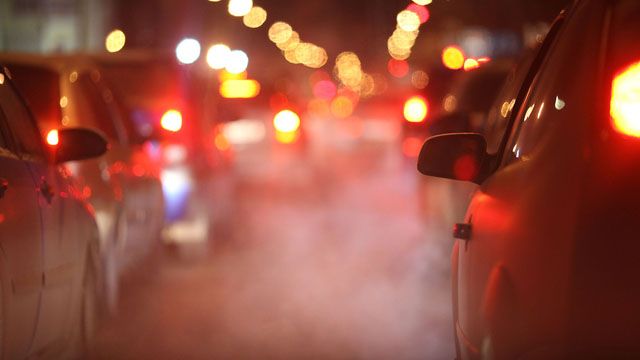
A recent study by researchers at the Department of Environmental and Occupational Health, George Washington University and the International Council on Clean Transportation has revealed a significant rise in air pollution in residential areas surrounding newly constructed ecommerce warehouses.
As online shopping continues to grow, the construction of new warehouses to hold stores’ stock has brought a surge in truck traffic, leading to higher levels of nitrogen dioxide pollution.
The study also noted that the negative impacts had disproportionately affected communities of color.
Warehouses cause higher traffic pollution
The research is among the first of its kind, delving into the link between warehouses and truck traffic. The key emission explored in the study – nitrogen dioxide – is a leading ingredient in the creation of smog. NO2 has also been linked to respiratory diseases, such as asthma.
Much of the data used in the researchers’ analysis came from a European Space Agency satellite. In particular, the researchers found that communities downwind of warehouses experienced a nearly 20% increase in NO2 pollution compared to those upwind.
The spike in air pollution effectively negates several years’ worth of improvements achieved under the Clean Air Act.
Data from nearly 150,000 large warehouses across the US found that the proportion of Asian and Hispanic residents in areas with the most warehouses was nearly 290% and 240% higher, respectively, than the national median. The figures also illustrated a 117% increase in the number of new warehouses built between 2010 and 2021.
Furthermore, one-fifth of the country’s warehouses were concentrated in just ten counties: Los Angeles, San Bernardino, Orange, Alameda (California), Harris, Dallas (Texas), Cook (Illinois), Miami-Dade (Florida), Maricopa (Arizona) and Cuyahoga (Ohio).
Neighborhood activists have long fought to limit the construction of warehouses and other industrial and large-scale agricultural sites near residential areas, advocating for electric transportation to limit localized emissions, but the research has finally given them the ammunition they need to take their case to regulatory bodies and government agencies.
More from TechRadar Pro

A recent study by researchers at the Department of Environmental and Occupational Health, George Washington University and the International Council on Clean Transportation has revealed a significant rise in air pollution in residential areas surrounding newly constructed ecommerce warehouses. As online shopping continues to grow, the construction of new warehouses…
