Deepfake scam calls are costing British victims hundreds each time – here’s how to stay safe
- Deepfake calls are claiming thousands of victims, report finds
- Up to 10% of spam calls are fraudulent
- The top scam for British victims was fake HMRC calls
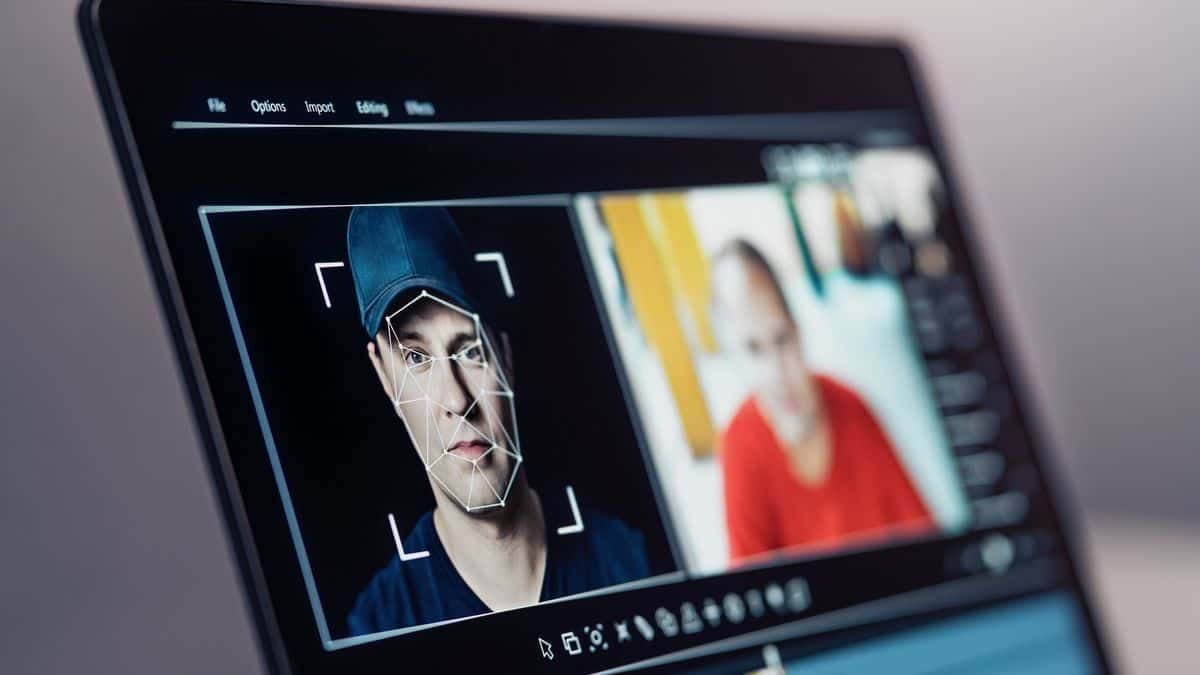
AI deepfake fraud calls are dominating the scam landscape, and are costing British consumers millions of pounds.
A new report from Hiya has detailed the rising risk and deepfake voice scams in the UK and abroad, noting how the rise of generativeAI means deepfakes are more convincing than ever, and attackers can leverage them more frequently too – even going as far as to target businesses and C-suite executives, making deepfakes one of 2024’s biggest cybersecurity dangers.
AI lowers the barriers for criminals to commit fraud, and makes scamming victims easier, faster, and more effective, and the average successful fraudulent call costs the British victim £595 – so here’s what the report reveals.
Billions of calls
Hiya says it flagged 11.3 billion global suspected spam calls in Q4 alone in 2024, – 123 million calls per day. Of these, 22% were marked as nuisance calls, and 9% were fraudulent – which may not sound like much, but it means one in ten unexpected calls could cost you hundreds if you’re not careful.
A survey confirmed 26% of UK residents have received voice deepfake calls in the last 12 months – and of those, 40% reported being scammed, 35% reported losing money, and 32% had personal information stolen.
The subject of these was primarily financial and banking scams, making up 11% of the deepfakes, followed closely by insurance, holiday booking, delivery service impersonations (all 8% each).
Overall, Global Anti-Scam Alliance estimates a staggering $1.03 trillion was lost to scams worldwide in 2024 – and deepfakes are slowly becoming one of the tools of choice for criminals.
“As we reflect on the last quarter of 2024, it is apparent that AI-powered fraud is becoming more sophisticated than ever, posing a serious threat to consumers and businesses alike,” said Alex Algard, CEO of Hiya.
The top scam in the UK was an impersonation of Her Majesty’s Revenue and Customs (HMRC) – in which victims are told that a criminal case is being taken out against them for tax fraud, and even an arrest warrant has been issued in their name.
This type of fraud aims to panic victims, convincing them that they are in trouble – urging them to hand over bank details, financial information, or personally identifiable information (PII).
It’s important to note that even if the ‘only’ thing a scammer gets access to is your personal data, this still leaves you at a serious risk of identity theft, as criminals will take out loans, credit cards, or bank accounts in your name.
How to protect yourself
The report comes shortly after another recent study showed when 2000 people were shown deepfake content, only two of them managed to get a perfect score – so everyone should be on their guard.
Deepfakes are essentially social engineering scams – the natural evolution of phishing attacks, which often impersonate banks, popular services, colleagues, or even family to try and trick victims into clicking malicious links, scanning dangerous QR codes, or handing over their personal details.
Voice and video deepfakes are arguably more dangerous though, as they can be seriously convincing. We recommend establishing a safe word with your family and close friends (anyone who might feasibly call you in an emergency) – so that you can be confident that you’re speaking to who you think.
Outside of friends and family, be very wary of any call from someone claiming to be your bank, or a software firm, or any company with services you use regularly. If your ‘bank’ or HMRC calls, search up their number, call it, and ask to be transferred through to the same person.
Don’t give your information over to someone over the phone, and make sure you change your passwords regularly, and keep unique passwords for every site that holds sensitive information. If you need advice, we’ve compiled a list of the best tricks for creating a secure password.
You might also like

Deepfake calls are claiming thousands of victims, report finds Up to 10% of spam calls are fraudulent The top scam for British victims was fake HMRC calls AI deepfake fraud calls are dominating the scam landscape, and are costing British consumers millions of pounds. A new report from Hiya has…
