Governments around the world agreed to triple renewable energy capacity by the end of the decade during pivotal United Nations climate talks at a summit in Dubai last year. As the annual climate negotiations kick off again this week, there’s been some progress on that goal — but not nearly enough.
Countries are ramping up renewable energy plans, but not fast enough

An assessment of national energy plans says that countries are on track to double global renewable energy capacity by 2030. There’s a lot of opportunity for growth with the falling cost of wind and solar, but whether policymakers are ready to ditch fossil fuels is a trickier question.
“Renewables markets have moved, but governments’ ambitions have not.”
“Renewables markets have moved, but governments’ ambitions have not,” Katye Altieri, electricity transition analyst at energy think tank Ember, said in a press release published alongside the new report.
More than 130 countries pledged last year to triple global renewables capacity. Ember assessed 96 countries and the EU that together represent 95 percent of global electricity demand. It found that only eight countries — all within the European Union — had actually updated their national renewable energy targets over the past year (before late October). Their updated national targets would only increase global renewables capacity by a meager four gigawatts, leaving plenty of room for improvement. Countries’ existing plans in 2023 were already enough to double global renewable energy capacity. But achieving the goal of tripling capacity would require an additional 3,758GW, the report says.
The good news is that industry forecasts look brighter than what’s reflected in national policies, and renewables can grow, even with lawmakers dragging their feet on climate action. Solar and wind are already more affordable power sources than fossil fuels in most of the world, with solar deployment on track to see a 29 percent increase in installations this year compared to last, according to Ember’s estimates. That follows a whopping 87 percent surge in solar installations in 2023.
Those gains put solar, in particular, on schedule to meet the 2030 goal of tripling capacity. But there are still shortfalls when it comes to wind power and batteries needed to store renewable energy when sunshine and gales wane. A separate analysis by the International Energy Agency earlier this year said that power grids around the world will need a nearly 15-fold increase in energy storage by 2030, mostly in the form of batteries.
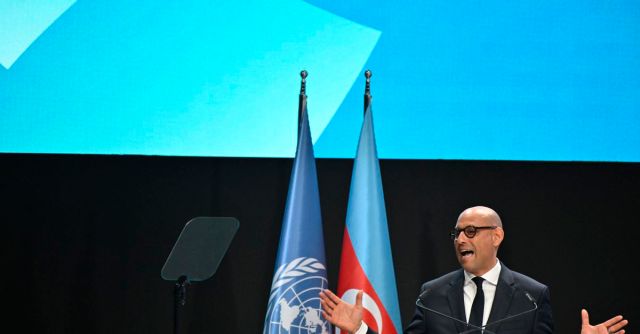
Delegates from close to 200 countries are convening at the UN summit in Baku, Azerbaijan, this month to try to set new targets to combat climate change. The focus this year is on securing more funding from wealthy nations to help less affluent countries transition to cleaner energy and adapt to worsening climate disasters.
But the US, the biggest historical emitter of greenhouse gas emissions, has cast a shadow over international negotiations. President-elect Donald Trump has pledged to take the US out of the Paris climate agreement and routinely spreads misinformation about renewable energy, including unfounded claims about offshore turbines killing whales.
Trump has also said he would rescind unspent funds from the Inflation Reduction Act, which includes $369 billion in federal funding on climate and clean energy and has triggered more than $200 billion in clean energy investment in the US.
A Trump-inspired “retreat” on renewable energy could be a boon to competitors including China that already dominate clean energy markets. Repealing the Inflation Reduction Act would deal a blow to US manufacturing and trade, likely ceding $80 billion in investment opportunities to other countries, according to a recent analysis by the Net Zero Industrial Policy Lab at Johns Hopkins University.
Under the international treaty on climate change brokered in Paris in 2015, each country is due to submit an updated national climate plan by February. It’s an opportunity to get the world closer to tripling renewables, Ember notes. Those national plans are expected to start rolling in with talks underway in Baku.
After all, an underlying question gnaws at every round of climate negotiations: how big of an impact can these splashy summits have unless delegates can turn promises into action at home?
Governments around the world agreed to triple renewable energy capacity by the end of the decade during pivotal United Nations climate talks at a summit in Dubai last year. As the annual climate negotiations kick off again this week, there’s been some progress on that goal — but not nearly enough.…
