Blackmagic Design says tariffs have made camera price hikes ‘unavoidable’

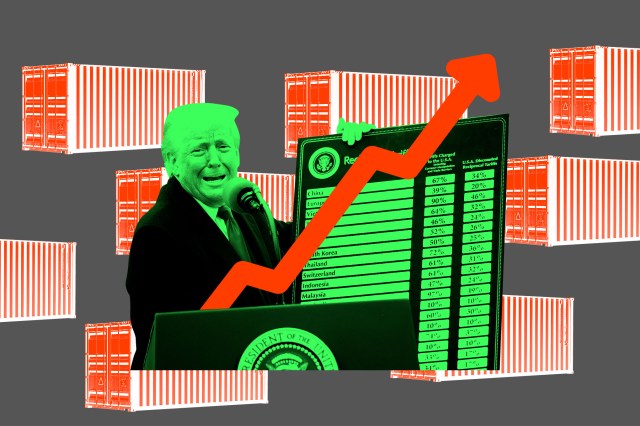
Blackmagic Design, an Australia-based digital cinematography camera company, was gearing up to start making products in the United States before the Trump administration blew a tariff-shaped hole in its plans. Now, not only is Blackmagic having to increase prices in the US to mitigate some of the levies on imported goods, but those same tariffs are also making it difficult to justify opening a US production line.
“We were planning to build a new factory in Dallas, Texas, to streamline our supply chain and allow us to work more directly with US semiconductor companies,” Blackmagic Design spokesperson Patrick Hussey told The Verge. The introduction and ever-shifting confusion around President Donald Trump’s blanket global tariffs have since complicated things according to Hussey, because while the semiconductor parts and PCBs used in Blackmagic’s cameras are sourced from US companies, those companies are importing them from overseas.
“If we proceed with the US factory, we’d incur tariffs on those parts, increasing costs and negating the savings we anticipated,” said Hussey.
It’s a no-win situation that many other businesses in and outside of the US are facing if they deal with global suppliers. While Trump has brazenly declared that tariffs will incentivize companies to bring manufacturing to the US to remain competitive, if these manufacturers use foreign equipment or materials in their supply chain, they may — directly or indirectly — still get hit with hefty import fees. (That’s leaving aside the cost of doing business when the fees change dramatically from day to day.)
A supply chain survey conducted by CNBC found that 61 percent of respondents from unspecified businesses would be financially better off moving from high-tariff countries to lower-tariffed countries instead of the US, and 81 percent said if they did relocate to the US, they would automate production instead of hiring human workers, failing to deliver the manufacturing jobs Trump promised. 61 percent of the companies also warned they would raise prices for products coming in under the new tariff rates.
“Due to new government tariffs, price increases in the US have been unavoidable,” said Hussey. “That said, we operate factories in several countries, so production of some product lines has been relocated to reduce the impact on our customers.” Hussey told The Verge that Blackmagic is now planning to “wait a few months” to see if the supply chain for the components it needs will move to the US. “If it does, we could still achieve the supply chain benefits we were aiming for.”
The Trump Administration added “smartphones, computers, and other electronics” to its list of tariff exemptions last week — a list with no clear carveout for cameras or camera-specific manufacturing equipment — but then swiftly warned that companies shouldn’t get comfy. Commerce Secretary Howard Lutnick said these are not “a permanent sort of exemption,” and that these goods will be hit with the same unspecified tariff rules that Trump is expected to apply to the semiconductor industry in “a month or two.”
Blackmagic Design, an Australia-based digital cinematography camera company, was gearing up to start making products in the United States before the Trump administration blew a tariff-shaped hole in its plans. Now, not only is Blackmagic having to increase prices in the US to mitigate some of the levies on imported…
