Artemis II arrives in lunar space ahead of its trip around the Moon

Artemis II and its four-person crew have entered the Moon’s “sphere of influence,” meaning the spacecraft is more affected by lunar gravity than the Earth’s pull. The transition occurred at a distance of 39,000 miles from the Moon, four days, six hours and two minutes into the mission. The next and most important phase will happen tomorrow when the craft loops around the Moon’s far side, taking humans deeper into space than they’ve ever been before.
At their apogee, Astronauts Reid Wiseman, Christina Koch, Victor Glover and Canada’s Jeremy Hansen will be 252,757 miles from Earth. That will break the previous record held by the Apollo 13 crew by just over 4,000 miles. They’re the first humans to cross the lunar threshold since 1972’s Apollo 17 moon landing mission.
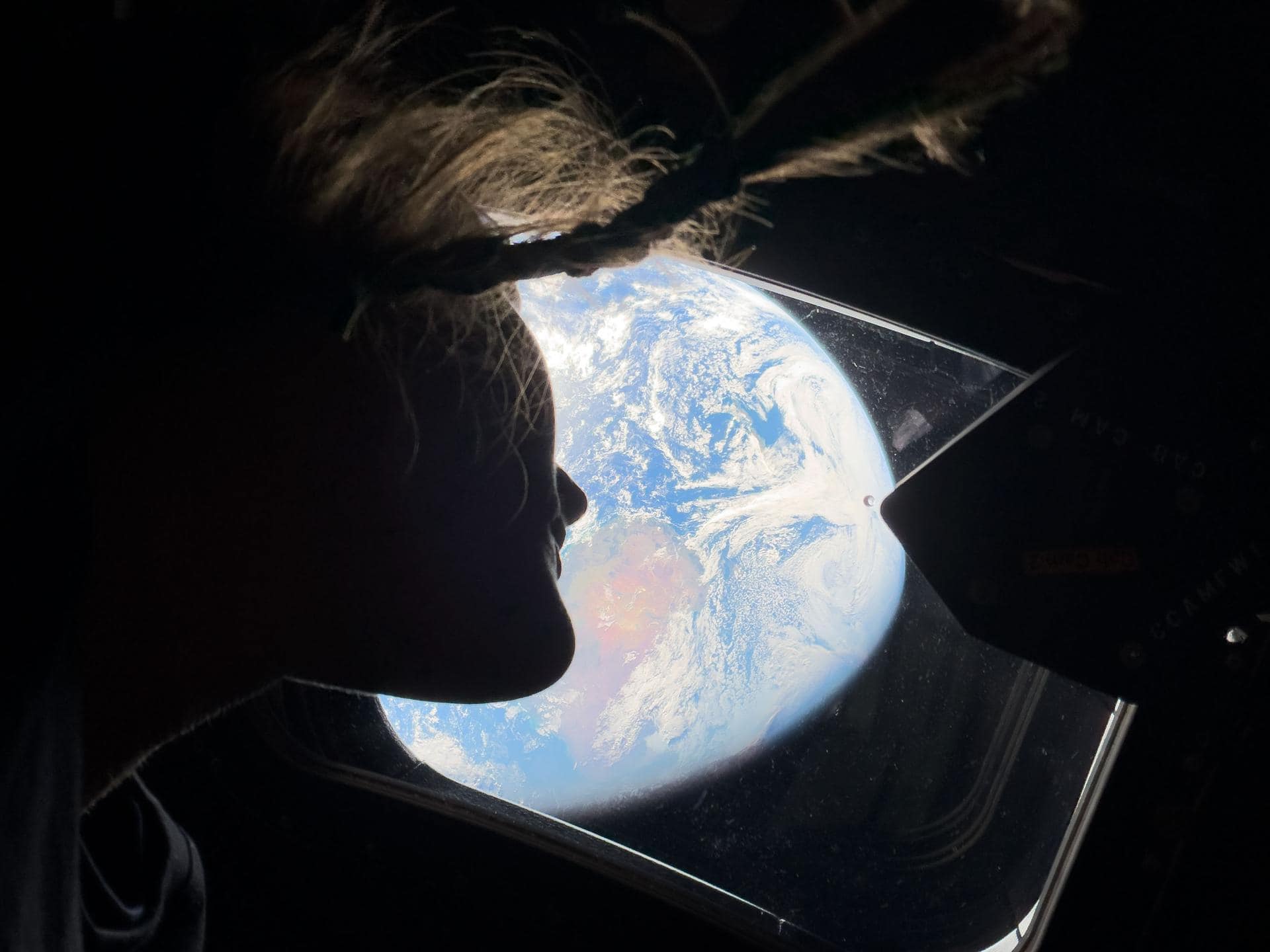
The crew spent this weekend carrying out preparations for their lunar flyby. That included manual piloting demonstrations, reviewing their science objectives for the six-hour observation period and evaluating their space suits, which are there for life support in the event of an emergency and for their return home. But, they've had plenty of time to take in the views, too — and those views sure are spectacular. In the latest series of images shared by the space agency, the astronauts are seen gazing at Earth through the windows of the Orion spacecraft.
Orion will reach the moon's vicinity shortly after midnight on Monday, April 6. Later that day, the crew is expected to reach a point farther than any humans have traveled from Earth, surpassing the record of 248,655 miles from Earth set by the Apollo 13 astronauts in 1970.
The lunar observation period will start at 2:45PM ET, and a few hours later, they'll be behind the moon and briefly drop out of communication. The spacecraft's closest approach to the moon is expected to occur at 7:02PM, when it will be 4,066 miles from the surface. "From that distance, the crew will see the entire disk of the Moon at once, including regions near the north and south poles," according to NASA. The crew will later get a chance to see a solar eclipse "as Orion, the Moon, and the Sun align in such a way that the astronauts will see our star disappear behind the Moon for about an hour." NASA will have coverage of the flyby starting at 1PM ET.
Update April 7 at 1:40 AM ET: The post has been updated with news that Artemis II has entered the Moon’s sphere of influence.
This article originally appeared on Engadget at https://www.engadget.com/science/space/artemis-ii-arrives-in-lunar-space-ahead-of-its-trip-around-the-moon-211919381.html?src=rss
Artemis II and its four-person crew have entered the Moon’s “sphere of influence,” meaning the spacecraft is more affected by lunar gravity than the Earth’s pull. The transition occurred at a distance of 39,000 miles from the Moon, four days, six hours and two minutes into the mission. The next…
