‘Anywhere there’s a camera, now there’s a risk’: Billions of users at risk of Peeping Toms — scientists devise incredibly simple eavesdropping system costing only a few hundred dollars
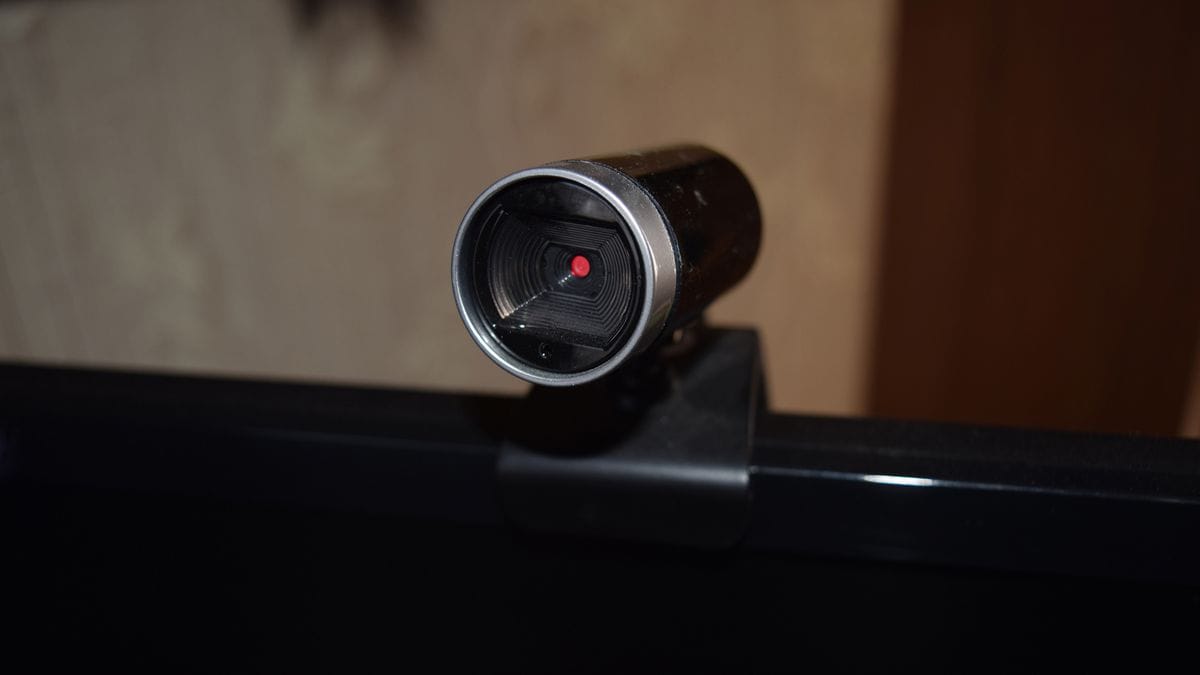
A new threat to privacy has emerged, as scientists in the US have found a way to spy on video feeds from cameras in devices ranging from smartphones to home security systems.
The method, known as EM Eye, can even capture images through walls, raising huge concerns about the potential for misuse.
The research, led by Kevin Fu, a professor of electrical and computer engineering at Northeastern University, targets a vulnerability in the data transmission cables within most modern cameras. These cables unintentionally act as radio antennas, leaking electromagnetic information that can be picked up and decoded to reveal real-time video.
Any camera potentially at risk
As reported by Tech Xplore, the vulnerability exists because manufacturers focus on protecting the intentional digital interfaces of cameras, such as the upload channel to the cloud, but overlook the potential for information leakage through accidental channels. “They never intended for this wire to become a radio transmitter, but it is,” Fu explains. “If you have your lens open, even if you think you have the camera off, we’re collecting.”
The EM Eye method has been tested on 12 different types of cameras, including those found in smartphones, dash cams, and home security systems. The distance required to eavesdrop varies, but in some cases, it can be done from as far as 16 feet away.
The technique does not require the camera to be recording, meaning that any device with an open lens is potentially at risk. Fu suggests that consumers consider using plastic lens covers as a first step to mitigate this threat, although he notes that infrared signals can still penetrate these.
Fu hopes that these findings will serve as a wake-up call to manufacturers to address this vulnerability in their designs. “If you want to have a complete cybersecurity story, yes, do the good science, but you also have to do the computer engineering and the electrical engineering if you want to protect against these kinds of eavesdropping surveillance threats,” he says.
In a world where cameras are ubiquitous, this research highlights a significant and widespread risk to privacy. As Fu puts it, “Basically, anywhere there’s a camera, now there’s a risk.”
More from TechRadar Pro
A new threat to privacy has emerged, as scientists in the US have found a way to spy on video feeds from cameras in devices ranging from smartphones to home security systems. The method, known as EM Eye, can even capture images through walls, raising huge concerns about the potential…
