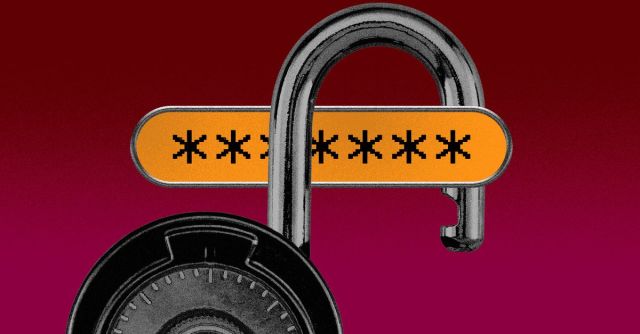
An Okta login bug bypassed checking passwords on some long usernames

On October 30, 2024, a vulnerability was internally identified in generating the cache key for AD/LDAP DelAuth. The Bcrypt algorithm was used to generate the cache key where we hash a combined string of userId + username + password. During specific conditions, this could allow users to authenticate by only providing the username with the stored cache key of a previous successful authentication.
The vulnerability can be exploited if the agent is down and cannot be reached OR there is high traffic. This will result in the DelAuth hitting the cache first.
On October 30, 2024, a vulnerability was internally identified in generating the cache key for AD/LDAP DelAuth. The Bcrypt algorithm was used to generate the cache key where we hash a combined string of userId + username + password. During specific conditions, this could allow users to authenticate by only…
Recent Posts
- Buying your dad a tech gift or gadget for Father’s Day? You may want to wait until Prime Day, if possible
- Which Amazon Fire Stick do I need? A simple guide to the key differences
- Stellar Blade’s slick-looking sequel is officially called Blood Rain
- How much data does your favorite messaging app collect? New study shows 90% of messaging apps now include AI that puts privacy at risk
- More than a decade later, the team behind N++ is back with a multiplayer sequel
Archives
- June 2026
- May 2026
- April 2026
- March 2026
- February 2026
- January 2026
- December 2025
- November 2025
- October 2025
- September 2025
- August 2025
- July 2025
- June 2025
- May 2025
- April 2025
- March 2025
- February 2025
- January 2025
- December 2024
- November 2024
- October 2024
- September 2024
- August 2024
- July 2024
- June 2024
- May 2024
- April 2024
- March 2024
- February 2024
- January 2024
- December 2023
- November 2023
- October 2023
- September 2023
- August 2023
- July 2023
- June 2023