Heat pumps in EVs are making a big difference in cold-weather driving
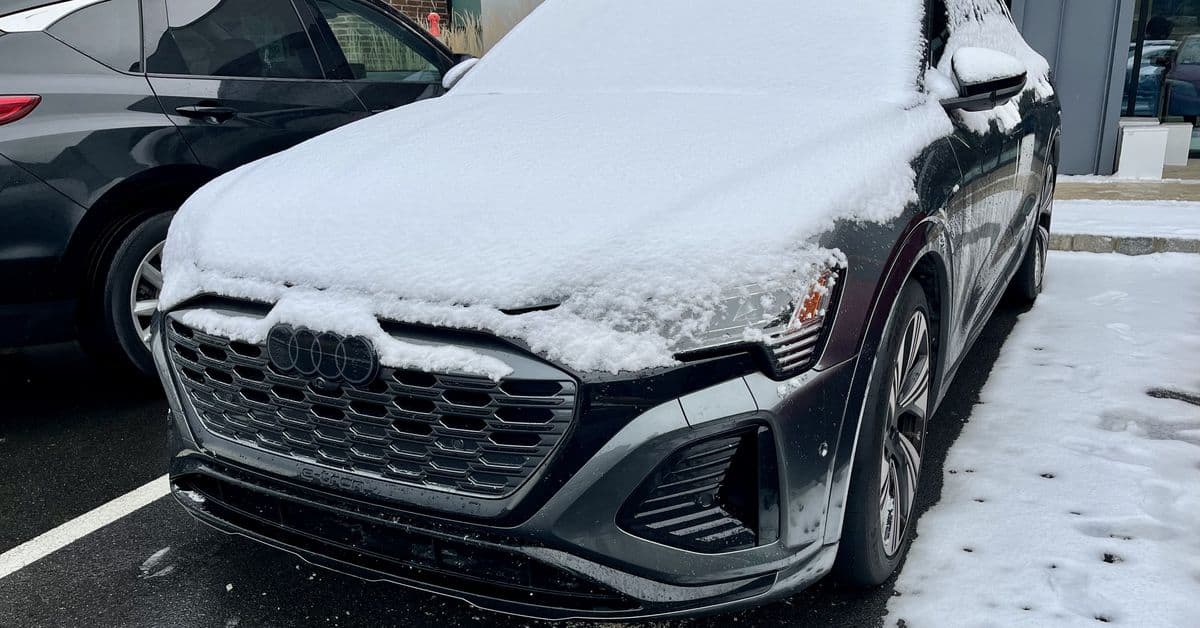
Many EV manufacturers have leaned heavily on energy-gulping resistive heaters to keep the cabin and battery warm in the winter time. But heat pumps, which can cut down on battery range losses in the cold, are becoming more prevalent in EVs, and they could help EV owners in the US who are dealing with the low temperatures across much of the country this week.
EV research site Recurrent reported that heat pumps can improve drivable range in below freezing temperatures by about 8 to 10 percent. The site tested this by comparing the ranges of 2020 Model 3 and Model S vehicles that lack heat pumps against 2021 versions that have them.
Recurrent’s data shows that the Tesla Model X and the Audi E-Tron only lose about 11 to 13 percent of their range at 32 degrees Fahrenheit compared to driving them in ideal temperatures hovering around 70 degrees, as The Washington Post notes, making them among the best heat pump-equipped EVs.. However, The Washington Post says that heat pumps aren’t as effective below 15 degrees.
A heat pump works by efficiently transferring heat generated by the car to the cabin and other components. Similarly, gas cars have long used a heater core to transfer wasted heat energy from its internal combustion engine into the cabin.
Heat pumps have made their way into popular EVs like Teslas as early as 2021 and are coming to other top models like Ford’s Mustang Mach-E for the 2025 model year. They also are already in many EVs on the road today, including the Polestar 2, Honda Prologue, Chevy Equinox EV, Kia EV6, Rivians, and even some Nissan Leaf models as early as 2013. Recurrent has a complete list of EVs that have heat pumps.
Older EVs with smaller batteries that lack heat pumps demonstrate cold range loss more vividly. For instance, my sister, who is driving a 2017 Ford Focus Electric, is only getting about 80 miles of range in the freezing cold with its resistive heaters off and only about 50 with it on. That could be the difference between being able to do a full work commute roundtrip without stopping or needing to find a (hopefully working) DC fast charging station on the way back.
We’ve previously shared some tips on how to handle EVs in the winter that can help you through icy situations on the road. Some tips include preconditioning your vehicle while plugged in before leaving and brushing snow off more often since it won’t melt off the hood like a gas car.
Many EV manufacturers have leaned heavily on energy-gulping resistive heaters to keep the cabin and battery warm in the winter time. But heat pumps, which can cut down on battery range losses in the cold, are becoming more prevalent in EVs, and they could help EV owners in the US…
