Want a cool smartphone? 1mm-thin “fan-on-a-chip” technology aims to make device overheating a thing of the past
Excessive heat can severely affect the performance and lifespan of smartphones and tablets, causing them to throttle processing power or even shut down to prevent damage. Users often experience how hot their devices can get during demanding tasks, such as playing graphically intense games, and it’s a problem that’s only going to get worse as AI makes its way into our devices.
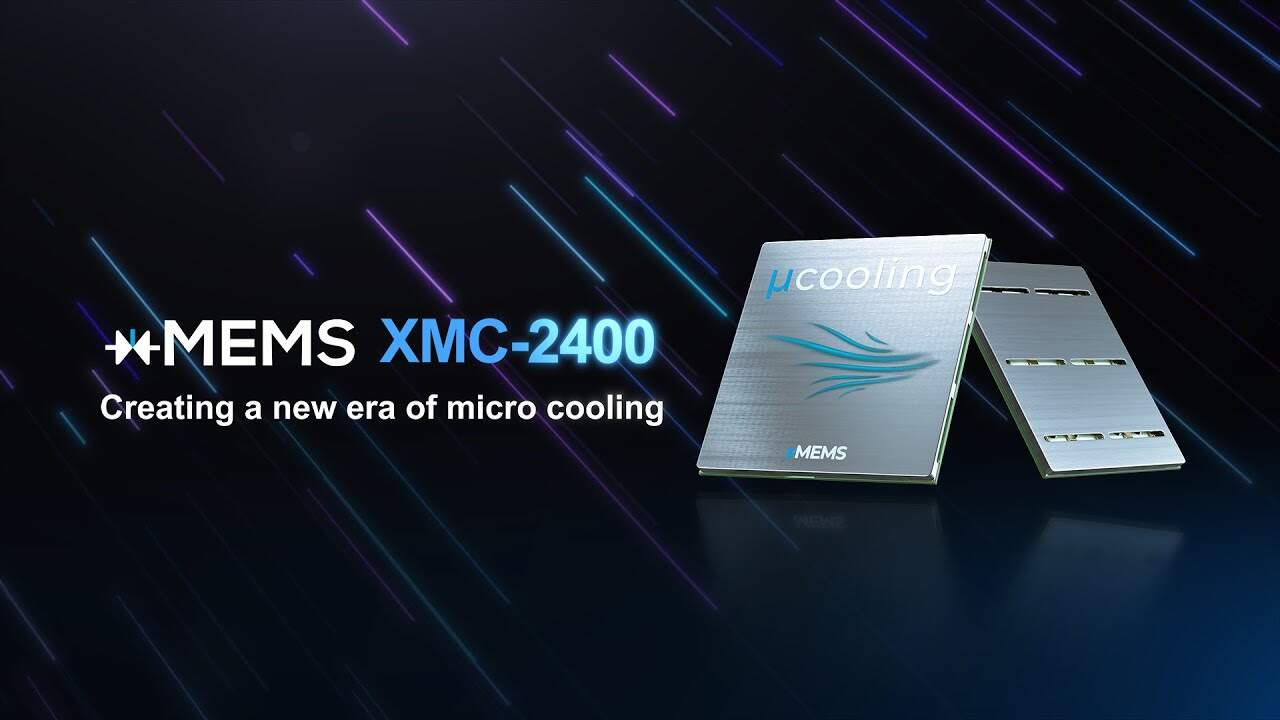
To address this issue, xMEMS Labs has introduced the XMC-2400 µCooling chip – the first all-silicon, active micro-cooling fan designed for portable devices like smartphones, tablets, external SSDs, wireless chargers, and laptops.
Mike Housholder, xMEMS’ VP of Marketing and Business Development, explained to EE Times that current solutions, such as heat spreaders and vapor chambers, “just spread the heat throughout the real estate of the device, but there is no physical means to expel the heat.”
Changing how people perceive thermal management
The XMC-2400 functions as an actual fan, and a single XMC-2400 chip can move up to 39 cubic centimeters of air per second against 1,000 Pa of back pressure and is IP58-rated for dust and water resistance.
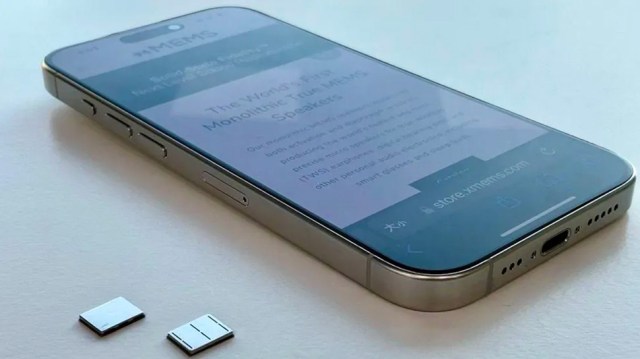
The silent, vibration-free, solid-state chip measures just 9.26 x 7.6 x 1.08mm and weighs less than 150 milligrams, making it 96 percent smaller and lighter than non-silicon-based active-cooling alternatives. It comes in both top-venting and side-venting packages to fit various system form factors.
“Our revolutionary µCooling ‘fan-on-a-chip’ design comes at a critical time in mobile computing,” said Joseph Jiang, xMEMS CEO and Co-Founder. “Thermal management in ultramobile devices, which are now running more processor-intensive AI applications, is a massive challenge for manufacturers and consumers. Until XMC-2400, there was no active-cooling solution because the devices are so small and thin.”
“With µCooling, we are changing how people perceive thermal management. The XMC-2400 is designed to actively cool even the smallest handheld devices, enabling the thinnest, most high-performance, AI-ready mobile devices. It’s hard to imagine tomorrow’s smartphones and other thin, performance-driven devices without xMEMS µCooling technology,” Jiang added.
More from TechRadar Pro

Excessive heat can severely affect the performance and lifespan of smartphones and tablets, causing them to throttle processing power or even shut down to prevent damage. Users often experience how hot their devices can get during demanding tasks, such as playing graphically intense games, and it’s a problem that’s only…
