This outdoor 4K TV has LG webOS smarts, and is cheaper than Samsung’s Terrace range
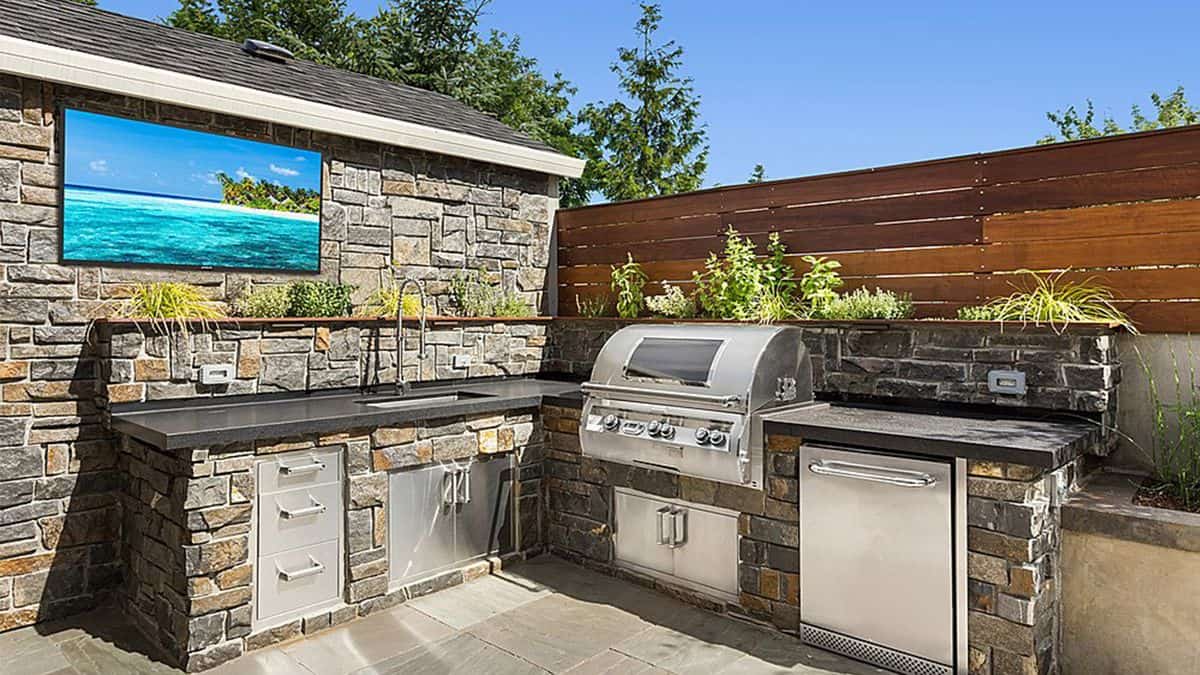
A new outdoor 4K smart TV has launched in the US just in time for spring. The new TV is made by Peerless-AV, a UK company that claims to have made the very first wall mount for a CRT (cathode ray tube) TV in 1965, and is an upgrade to a previous model launched in 2022.
Peerless-AV first announced its Neptune Shade series of specialized outdoor TVs in 2021. A year later, it launched the Neptune Partial Sun series and starting today, April 2, it has debuted a new Full Sun series. Not sure what ‘partial sun’ or ‘full sun’ refers to? It’s to do with where you can install it. ‘Full sun’ can sit, well, in the full sun because it has a brighter panel than the likes of ‘partial sun’ or ‘full shade’ models.
These are the main three types of outdoor TVs that you can buy, with ‘full sun’ being the most hardiest for being in direct sunlight. The new Neptune Full Sun TVs can reach up to 800 nits, which to put into perspective is just under what the LG C3 can achieve and is generally deemed as bright enough to still be visible in sunlight.
The new TVs use LG‘s webOS (although it’s not clear whether this will be the 2023 version) and ThinQ AI home screen that you find in all the best LG TVs. The Neptune Full Sun TVs are available to buy in the US on B&H and Best Buy, and will come with a free “commercial grade” Peerless-AV Outdoor Tilting Wall Mount valued at $199. Peerless-AV did not confirm availability outside of the US.
How does the Neptune Full Sun 4K TV fight the elements?
Not everyone needs a TV for their backyard, but if you have the space and spare cash for one then you want it to be able to survive at least. Electronics and the outdoors do not tend to mix very well though. High temperatures cause overheating, rain destroys circuit boards and snow can cause condensation, leading to water damage.
But Peerless-AV assures that its Neptune series of TVs can withstand all the elements, from extreme temperatures to rain, snow or dust. According to Notebookcheck, the Full Sun TVs uses an IPS (in-plane switching) panel, which is a screen tech more commonly found in monitors but is also seen in the best TVs made out of LCD due to its ability to prevent blackening while being used in high temperatures. This alongside a chassis that has an IP54 rating, which means it’s protected from dust ingress and a spray of water, helps the Full Sun set to operate in temperatures as low as -30°C to as high as 50°C.
You can buy the 55-inch Neptune Full Sun TVs for $2,799.99 and the 65-inch set for $3,499.99 at supported retailers in the US. While that’s a lot more than the price of this cheap outdoor 4K TV by Sylvox, it’s a lot less than the Samsung’s 85-inch outdoor 4K TV, which uses a mini-LED display.
You might also like

A new outdoor 4K smart TV has launched in the US just in time for spring. The new TV is made by Peerless-AV, a UK company that claims to have made the very first wall mount for a CRT (cathode ray tube) TV in 1965, and is an upgrade to…
