Meta asks judge to throw out antitrust case mid-trial

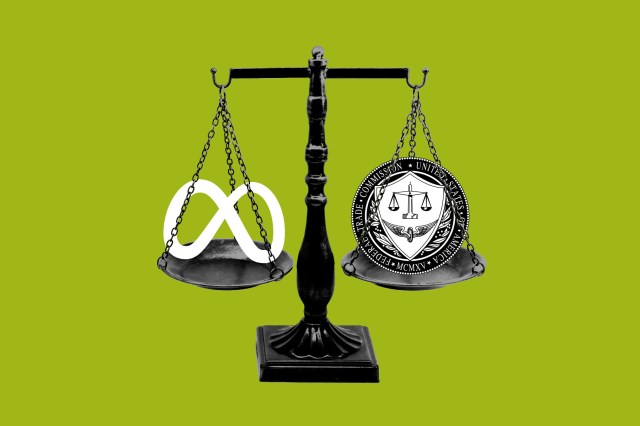
Meta has filed a motion for judgment on the antitrust case it’s currently fighting in court. The motion argues that the Federal Trade Commission (FTC) has failed to produce any evidence that Meta unlawfully monopolized part of the social networking market, something the government argues it did through its acquisitions of Instagram and WhatsApp.
The filing was submitted this evening, shortly after the FTC rested its case in a protracted trial before DC District Court Judge James Boasberg. “After five weeks of trial, it is clear that the FTC has failed to meet the legal standard required under antitrust law,” said Meta spokesperson Christopher Sgro. “Regardless, we will present our case to show what every 17-year-old in the world knows: Instagram competes with TikTok (and YouTube and X and many other apps). The FTC spent tens of millions of taxpayer dollars bringing a weak case with a market definition that ignores reality.”
A judgment on partial findings asks a judge to consider a case’s merits before it has been fully argued in court, attempting to speed its resolution. The trial is still currently scheduled to proceed, with Meta launching into its defense against the FTC’s allegations, but the filing offers a preview of its case.
As Meta’s lawyers have done in cross-examination, it takes aim at the agency’s description of Meta monopolizing a “personal social networking services” market that people use to share information with family and friends. It argues that the FTC has failed to demonstrate Meta reduced the quality of its services (a key sign that a company lacks competition) or that it bought Instagram to neutralize a potential rival.
The FTC has made its case with testimony from several high-profile players in Meta’s businesses, including Instagram’s co-founder Kevin Systrom — who aired complaints about Meta’s handling of his company — and its current head, Adam Mosseri, who offered a more optimistic take. Meta has countered by emphasizing the company’s persistent struggles against social networks that the FTC doesn’t consider full competitors, particularly TikTok, which, in the war for those aforementioned 17-year-olds’ attention, Meta portrays as a constant scourge.
Meta has filed a motion for judgment on the antitrust case it’s currently fighting in court. The motion argues that the Federal Trade Commission (FTC) has failed to produce any evidence that Meta unlawfully monopolized part of the social networking market, something the government argues it did through its acquisitions…
