Waymo: ‘no plans’ to use in-car camera data for targeted ads
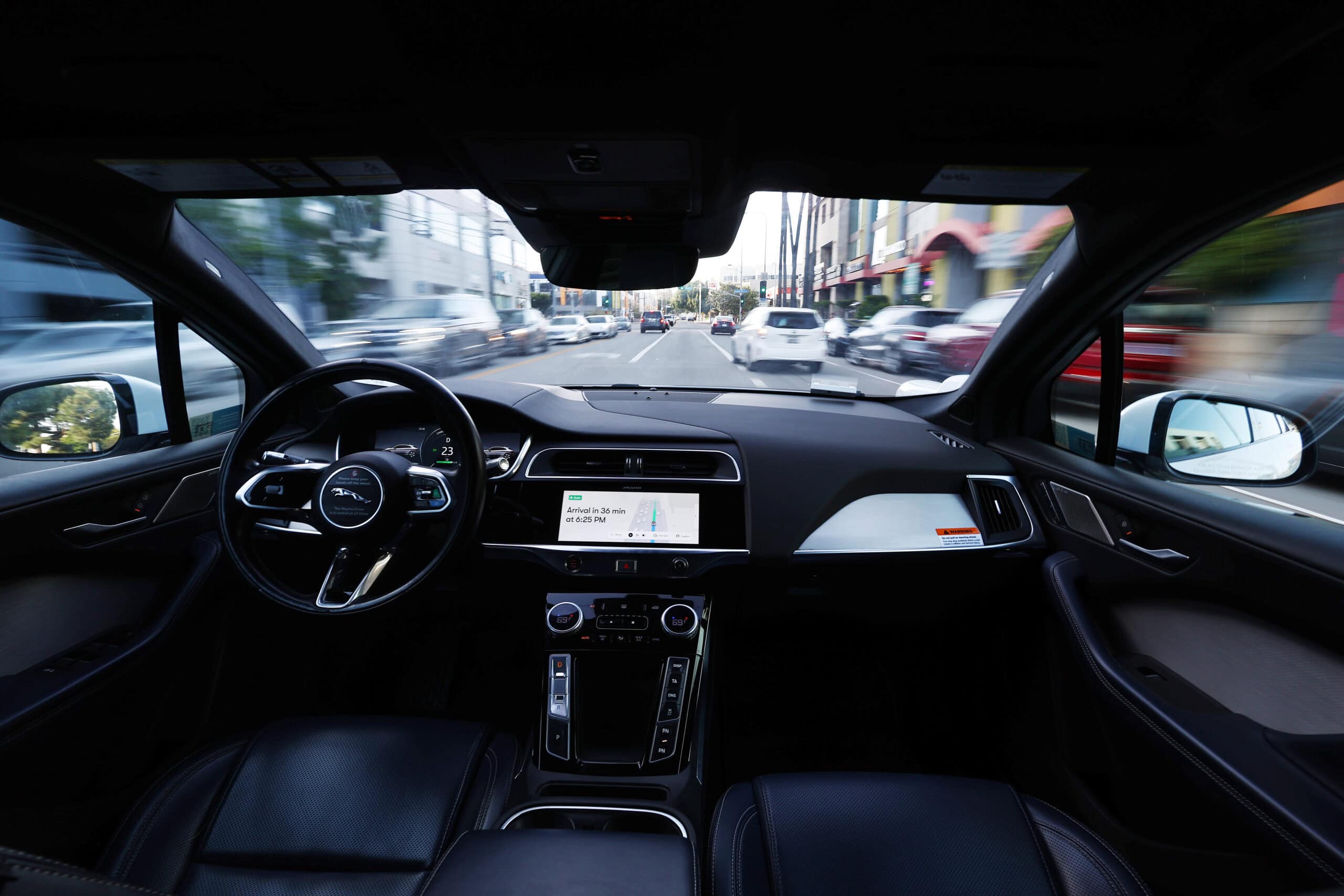
Waymo has “no plans” to use footage from cameras inside its robotaxis to train AI models for targeted ads, spokesperson Julia Ilina said in an email to The Verge.
Ilina was responding to an unreleased page from Waymo’s privacy policy that appears to offer customers the ability to opt-out from having their “personal information,” including “interior camera data associated with rider’s identity,” to train generative AI models for a variety of purposes, including advertisements. The snippet from the privacy policy was discovered by security researcher Jane Manchun Wong, who previously found Waymo’s plans for a tipping feature.
The screenshot posted by Wong was from an unreleased app page that “contains placeholder text that doesn’t accurately reflect the feature’s purpose,” Ilina cautioned.
“The feature, which is still under development, will not introduce any changes to Waymo’s Privacy Policy, but rather will offer riders an opportunity to opt out of data collection for ML training purposes,” she continued.
Waymo’s robotaxis, which currently operate in San Francisco, Los Angeles, Phoenix, and Austin, feature in-cabin cameras that watch customers while they’re out on the road by themselves in the vehicles. Essentially, Waymo is keeping an eye on their customers to make sure they’re safe, while also monitoring the safety and upkeep of the vehicle itself. The company uses the live feeds to track lost property, monitor the vehicle’s cleanliness, and make sure that customers are following the rules for riding in a robotaxi.
“Still under development”
“Waymo’s [machine learning] systems are not designed to use this data to identify individual people, and there are no plans to use this data for targeted ads,” Ilina said.
But increasingly tech companies are hungry for any and all data to train their voracious generative AI models as they attempt build more chatbots and image generators. Waymo is owned by Alphabet, which also oversees Google and its Gemini products. And Waymo uses generative AI for its own research and development, as noted in this blog post from last year.
It’s understandable that questions around privacy and data usage would come up eventually for Waymo. And most customers would reject any attempt to use their likeness without permission to train AI models aimed at selling them stuff. Which, thankfully, Waymo says it has no plans to do. And if any of that changes, it’s good that they’re offering people the option to opt-out. Let’s hope it stays that way.
Waymo has “no plans” to use footage from cameras inside its robotaxis to train AI models for targeted ads, spokesperson Julia Ilina said in an email to The Verge. Ilina was responding to an unreleased page from Waymo’s privacy policy that appears to offer customers the ability to opt-out from…
