Qobuz reveals how much it really pays per stream, and I want to see more of this transparency to help us spend money more ethically

- Qobuz has published its average streaming rates
- Many rivals talk about the total, not what individual rights holders get paid
- At just over 1.8¢ per stream, Qobuz pays more than most
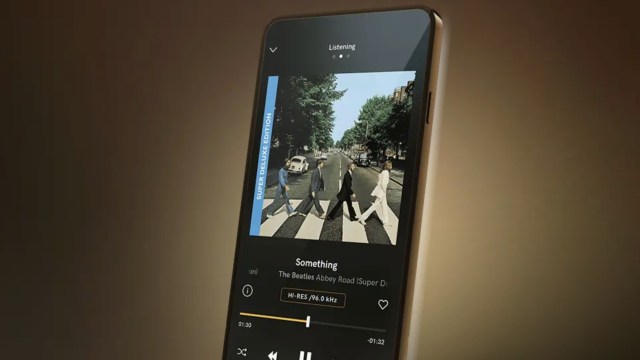
Streaming service Qobuz has done something none of its rivals have been so far willing to do: it’s said how much it pays for streaming – and it’s had its claims independently examined too.
Publishing independently verified figures is a first for an industry that prefers to talk about the big picture rather than the small details, and it’s a very welcome development not just for artists, but for anyone who’s trying to be careful about the impact of their money.
According to Qobuz, in fiscal year 2024 it paid an average of US$0.01873 per stream.
You may like
That money doesn’t go directly to artists – streamers pay the rights owners, typically record companies and music publishers; what artists actually get from that depends on how good or bad their deals with those rights owners are – but it’s a significantly higher average rate than other streamers are believed to be paying.
1.8 cents per stream might not sound like much, but Apple – one of the better payers – says it averages 1.0 cents. Some other streamers are believed to pay considerably less, and to offer reduced royalties in exchange for exposure.

Opinion: It’s great to see rates, yeah!
It’s not exactly easy in today’s world, but many people do try to shop fairly ethically where they can – and knowing how much money’s being paid to artists is useful if like me you want to support the people that make the music you love so much.
That’s particularly true if the artists you love aren’t megastars: 1,000 plays on Qobuz pays an average of $18.73, which isn’t much. But it’s $18.73 more than the rights owner gets on some other services. And that definitely makes me feel even more positive about Qobuz.
Transparency is something I like to see, and it’s definitely a factor in the sites and services I choose to use. For example, I increasingly use bookshop.org and libro.fm for my book deliveries and audiobooks because I like how they work with independent bookshops and how transparent they are about who gets what.
The sums aren’t much, I know, but it’s nice to know that even when I can’t make it to my favorite book nook I can still throw a little money their way instead of making a corporation even more cash.
Of course, people choose – or choose to avoid – the best music streaming services for all kinds of reasons. But with everyone essentially offering the same songs, this is another way in which streaming firms can differentiate themselves from their rivals by telling you what kind of company they are. More, please.
You might also like
Qobuz has published its average streaming rates Many rivals talk about the total, not what individual rights holders get paid At just over 1.8¢ per stream, Qobuz pays more than most Streaming service Qobuz has done something none of its rivals have been so far willing to do: it’s said…
