Samsung Galaxy S26 Ultra could resurrect an intriguing camera feature

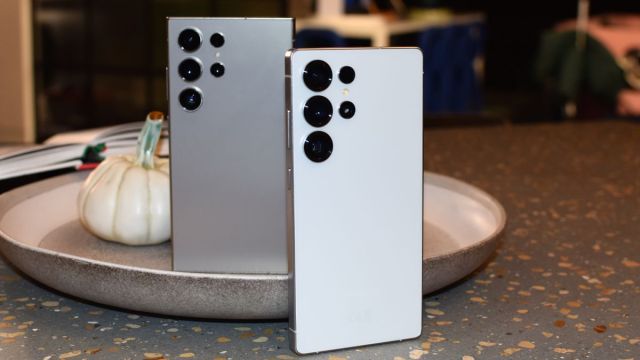
- The rumored Samsung Galaxy S26 Ultra could get a variable aperture feature on its main camera
- Such a feature was last seen on the Galaxy S9 and can be found on the Xiaomi 14 Ultra
- It could be a real benefit to the next Ultra Galaxy phone given the size of the main camera sensor it could use
Rather than take a look at what Apple is doing, Samsung could draw inspiration from the likes of Huawei and Xiaomi and offer a variable aperture on the main camera of the rumored Galaxy S26 Ultra.
This tip comes from reasonably reliable tipster Ice Universe, who, when posting on Chinese social media site Weibo, claimed that the ability to switch physically between apertures will return on the main rear camera of the Galaxy S26 Ultra. Such a feature was last seen on the Galaxy S9, which could switch between f/1.5 and f/2.4 to adjust the lens opening depending on lighting conditions.
The idea there was that the wider aperture (f/1/5) was used to let more light hit the camera sensor when the lighting conditions were darker at the expense of sharper photos with a deeper depth of field, while the higher (and smaller) aperture was used in brighter conditions where there was plenty of light hitting the sensor and allowed for sharper pictures with a greater depth of field.
You may like
This was a neat feature, but on phones with smaller sensors it was arguably a little moot, as there’s generally a rather large depth of field on smartphones given how small a main camera’s sensor is in relation to the size of the lens and its wide focal length.
A potentially exciting upgrade
Nevertheless, it would be one way to upgrade the 200-megapixel main camera found on the Samsung Galaxy S25 Ultra. And given recent Ultra models in the Galaxy S-series have larger sensors than a lot of older Galaxy phones, greater aperture control could be more noticeable.
It would also give the camera another physical function to help shape the photos it produces, and mean the next-generation Ultra might not be as reliant on algorithmic image processing.
Ice Universe didn’t note the aperture the Galaxy S26 Ultra could use, and such a feature wouldn’t be unique to the phone, as the Xiaomi 14 Ultra has multiple variable apertures on its main camera, and the Huawei Mate 50 Pro also features a main camera with a variable aperture of f/1.4 and f/4. In our Xiaomi 14 Ultra review, tester Paul Hatton waxed lyrical about the quality of the phone’s camera and its apertures, so it would seem like a feature Samsung would be smart to copy.
The flipside is that such a feature could be more of a way to market the phone than yield any transformative results, especially as Samsung already makes one of the best camera phones around.
Time will tell if this rumor bears any fruit, but it’s one that got my attention and could inject a little more creativity in a range of Samsung phones that’s gotten overly iterative, in my opinion.
You might also like
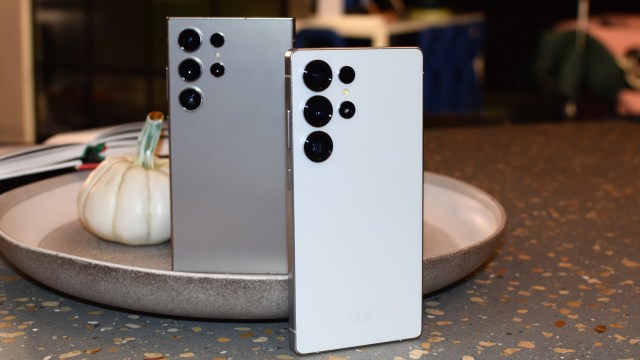
The rumored Samsung Galaxy S26 Ultra could get a variable aperture feature on its main camera Such a feature was last seen on the Galaxy S9 and can be found on the Xiaomi 14 Ultra It could be a real benefit to the next Ultra Galaxy phone given the size…
