AI reckons it can do all jobs, even those thought previously ‘safe’

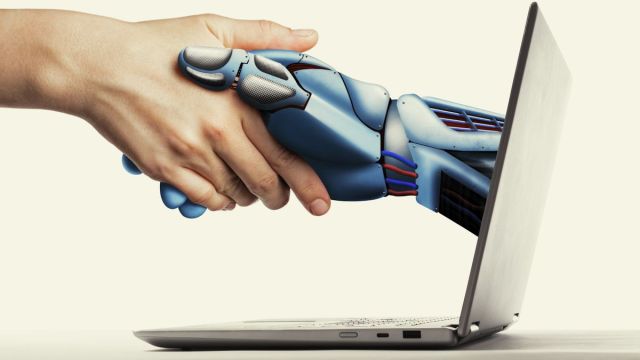
- AI has developed into a tool that can now handle more complex workloads
- It will undoubtedly shift the labor market, but will lead to a net job creation
- Experts are calling for more detailed policies to protect displaced workers
Although early concerns that AI could replace human workers have largely been squashed, every now and then we hear of another study that says otherwise, and OECD’s Job Creation and Local Economic Development 2024 report certainly gives that impression.
The report explores how cognitive non-routine tasks, such as those performed by highly-skilled professionals, are increasingly within the scope of AI.
Up until now, low-skilled, repetitive and administration tasks have been most affected by the technology, which has the power to process huge amounts of data very quickly to get routine tasks done.
AI is coming after your boss’ job
Unlike earlier automation trends that primarily impacted manufacturing and automotive roles, generative AI is now promising to change roles in education, finance and IT.
The study found that GenAI already affects around a quarter of jobs, but OECD doesn’t seem too concerned about AI actually replacing human workers. Instead, the study likens the emerging tech to automation, which actually led to a net creation of jobs despite some being lost for good.
OECD’s report also suggests that AI could be used to tackle the ongoing skills shortage by increasing accessibility to those who might not have previously been able to undertake certain roles.
Looking ahead, OECD says that the “uneven recovery” seen post-pandemic cannot repeat itself as AI progresses. It calls for more effective collaboration between the public and private sectors to create policies that advocate workers’ rights and to invest in upskilling and reskilling initiatives.
The study calls specifically for policies that identify opportunities where AI can drive regional growth, build awareness of AI’s benefits for workers and employers, improve the uptake of AI tools across small businesses, establish frameworks to control AI risks and provide tailored support for displaced workers.
You might also like
AI has developed into a tool that can now handle more complex workloads It will undoubtedly shift the labor market, but will lead to a net job creation Experts are calling for more detailed policies to protect displaced workers Although early concerns that AI could replace human workers have largely…
