Intel finally confirms instability issues with 13th-gen and 14th-gen CPUs are fully fixed – but some owners may still be worried

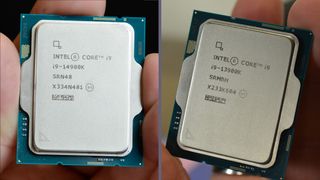
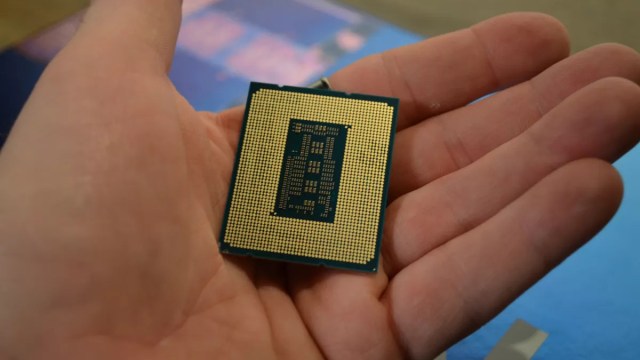
Intel has confirmed that the well-documented stability problems with its 13th and 14th-gen CPUs have been fully fixed.
As you may recall, Intel recently recapped the four mitigations (including three microcode updates) that have been applied to resolve these instability issues – the final one of which has only just started being deployed – and from the wording Team Blue used, it seemed as if this would be the end of the matter.
The thing is, Intel didn’t actually formally state that, even though the company made it seem clear enough that its investigation had been concluded.
If there was any doubt, though, Intel has clarified that the issue has indeed been definitively put to bed.
The Verge reports that Intel confirmed that the ‘Vmin shift instability’ was the root cause here (the tech site emphasizes it being the root cause, though there were other issues as noted), and spokesperson Thomas Hannaford said in no uncertain terms: “Yes, we’re confirming this is the cause and that it is fixed.”
Analysis: Remaining point of concern
It’s good to get confirmation that a full fix is in place for anyone worried about their Raptor Lake or Raptor Lake Refresh processor (Core i5 models and upwards are potentially affected).
If you buy a 13th or 14th-gen chip – and it should be noted we’re seeing some heavy discounts on the former now, as next-gen Arrow Lake CPUs are imminent – you just need to ensure that you update your BIOS to the latest version with all these Intel microcode updates packed within (including the most recent 0x12B update). That being the case, the CPU should not suffer from any kind of degradation or instability gremlins.
In the case of those who have had their affected 13th or 14th-gen processor for some time, the damage caused by the bugs here won’t be reversed by Intel’s patches – they are only mitigations to prevent any further degradation. So, if you’re experiencing any kind of instability or crashing on your PC, you should return your CPU and get a new one.
However, some folks may remain concerned about possible degradation under the hood which might not have been causing the PC to crash – meaning it’s effectively invisible wear and tear – but could still eventually result in a chip with a reduced lifespan, potentially.
Intel has, of course, extended the warranty on these chips to five years to help give CPU owners some further protection, but if something happens outside of that period, well, let’s say that could be pretty frustrating. You won’t know whether any fault pertains directly to these issues, of course, but that’ll be the nagging suspicion, no doubt. Not a pleasant thought.
You might also like
Intel has confirmed that the well-documented stability problems with its 13th and 14th-gen CPUs have been fully fixed. As you may recall, Intel recently recapped the four mitigations (including three microcode updates) that have been applied to resolve these instability issues – the final one of which has only just started being…
