The Wireless Power Consortium (WPC) has announced that it’s releasing the finalized specifications for the Ki wireless power transfer standard that will allow smaller kitchen appliances such as toasters and blenders to operate without the need for power cords. It’s not available to consumers just yet but could be just around the corner, as appliance makers will be able to submit products for Ki certification before the end of the year.
Ki is bringing wireless power to kitchen appliances

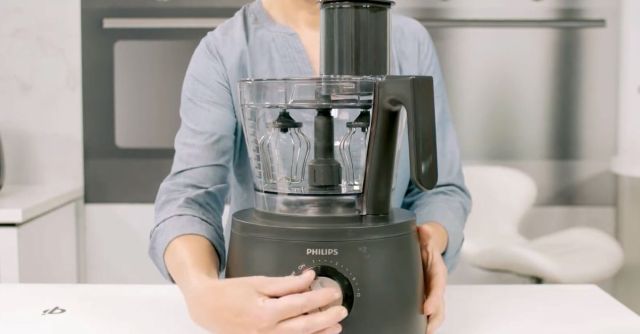
By now, many of us already take advantage of the convenience of Qi and Qi2 wireless chargers. Using a principle called electromagnetic induction where a magnetic field is used to generate an electrical current, Qi devices allow smaller electronics like smartphones and headphones to be simply positioned on pads or stands to charge, instead of having to be plugged in to a power cable with a specific connector.
The WPC’s new Ki standard also relies on electromagnetic induction to wirelessly transfer power to appliances but with some key differences. With Qi, the power from the wireless charger is only used to charge the battery in a mobile device. Remove the battery from a phone, place it on a Qi charger, and the device will still be dead. With Ki, the current that’s generated is used to directly power the motors, heating elements, and electronics that make an appliance run.
A slow trickle of wireless power is all that’s needed to charge the battery in a mobile device, but kitchen appliances that are chopping, cooking, and blending need significantly more. So while the Qi and Qi2 standards can deliver up to five and 15W of power, respectively, the Ki standard, through the use of much larger coils, can transmit up to 2,200W of power. That’s more than enough for even power-hungry devices like air fryers.
The WPC initially expects Ki power transmitters to be integrated with products like induction cooktops that already use similar technology, further expanding their usefulness in the kitchen.
But the Ki technology can also wirelessly transmit power through materials like granite, quartz, marble, and even wood up to 1.5 inches thick, allowing the wireless power transmitters to eventually be integrated into kitchens while remaining out of sight. “The benefits of the Ki standard will get people to reimagine how kitchens are designed and used. Whether it is new homes being built, existing homeowners remodeling their kitchens, or simply the growing number of people eager to enjoy the benefits of a smart home,” says Paul Struhsaker, executive director of the WPC, in a release today.
For installations where the location of the transmitters is not immediately obvious, the Ki standard includes several safeguards. Ki-compatible appliances communicate with the transmitters over NFC, and power is only generated while an appliance is detected. Should a blender be knocked over, power delivery is immediately turned off, and the transmitters can’t be activated by other kitchen hardware like metal knives placed atop them.
The standard also requires that the underside of appliances or the surface of a countertop never get hot enough to burn or cause damage. Even if a Ki-compatible pan is used to cook food directly on a countertop, the specification requires additional insulation on the bottom of the pan to protect the countertop from the heat. The elimination of cords also reduces tripping hazards in a kitchen, the fire risks that come with power cables that may fray over time, and the general nuisance of wires while cooking.
With appliance makers like Philips, Midea, and Miele already being members of the WPC, we will hopefully start to see Ki-compatible appliances being introduced to consumers in the coming year as devices become Ki-certified. None have been announced just yet.
However, a truly cord-free kitchen experience will require new hardware and existing appliances to be replaced. The WPC expects the additional components will add about $8 to $9 to the price of a Ki-compatible appliance, but there will be other costs that come into play, including the transmitters and potential renovations needed to route power to where they’re installed.
Will it be worth all the upgrades? Without knowing how many appliance makers will adopt Ki-compatibility, you shouldn’t start gutting your kitchen just yet. But given the popularity of wireless charging, consumers may eagerly welcome another way to rid themselves of more power cords cluttering their homes.
The Wireless Power Consortium (WPC) has announced that it’s releasing the finalized specifications for the Ki wireless power transfer standard that will allow smaller kitchen appliances such as toasters and blenders to operate without the need for power cords. It’s not available to consumers just yet but could be just…
