Spotify Connect is no longer controllable with iPhone’s volume buttons, but there’s a workaround

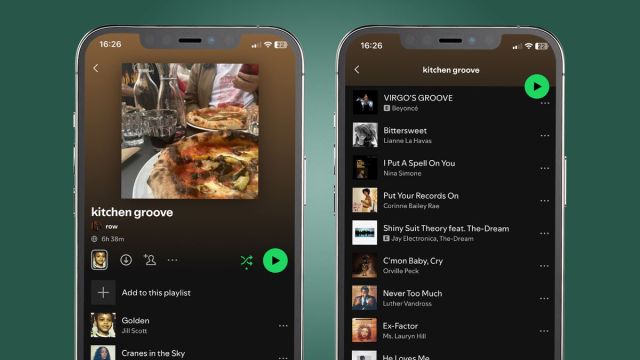
If you were hoping for more collaboration between music streaming rivals now that Apple Music playlists can transfer over to YouTube Music, you might have to keep waiting. Apple has recently discontinued the technology that allowed iPhone users to control the volume of devices playing music through Spotify Connect using their phone’s physical volume buttons.
This information comes from an update on Spotify’s support page. While Spotify states they are working “with [Apple] on a solution,” there is already a workaround. When using Spotify Connect to play music on your smart TV, computer, smart speaker, or other devices, pressing your iPhone’s volume button within the Spotify app will bring up a volume slider that allows you to make the necessary adjustments.
Alternatively, you can change the volume through the Connect Menu. And, if you press the volume button while Spotify is playing in the background, you’ll receive a notification asking if you “Want to change the volume?”. Tapping that notification will direct you to the volume control slider – just make sure your Spotify app is up to date.
Spotify has clearly pointed the finger at Apple. According to a report by The Verge, the issue lies in Apple’s technology that allows Apple Music to play on third-party devices. This technology is not being shared with Spotify, making the iPhone’s physical toggle unreliable on connected devices.
This change is set to take effect on September 3, but some users have already noticed the impact.
So, is the Apple rotten, or is Spotify playing off-key?
There’s no doubt that Spotify users on iPhone are and will be frustrated – even if it means you’ll no longer accidentally blast your speakers when trying to watch an Instagram Reel.
Spotify paints Apple as the villain, but the music streaming platform isn’t entirely blameless either.
It’s easy to criticize Apple for locking away features instead of competing directly with Spotify. However, in that same Verge article, a quote from Spotify reveals a key detail:
“We’ve made requests to Apple to introduce a similar solution to what they offer users on HomePod and Apple TV for app developers who control non-Apple media devices. Apple has told us that they require apps to integrate into the HomePod in order to access the technology that controls volume on iPhones.”
It’s not an impossible task to stream from Apple’s HomePod, though. Many third-party music services have done so – you just need to adopt the required API (Application Programming Interface). Spotify simply hasn’t done this.
As is often the case, the truth lies somewhere in the middle. It would be beneficial if Apple provided iPhone users with more autonomy like Android phones, but Spotify has had ample time to implement the necessary API and has chosen not to. Playing the victim and blaming Apple feels like a tired narrative.
Whether you side with Apple, Spotify, or find fault with both, at least you know those volume problems you have weren’t imagined – and they’ll be resolved by September 3, even if the solution is a bit more cumbersome.
You might also like…
If you were hoping for more collaboration between music streaming rivals now that Apple Music playlists can transfer over to YouTube Music, you might have to keep waiting. Apple has recently discontinued the technology that allowed iPhone users to control the volume of devices playing music through Spotify Connect using…
