How the laptop could become the battery — new revolutionary carbon-based material means your laptop chassis could become a power source, eliminating the need for a traditional battery

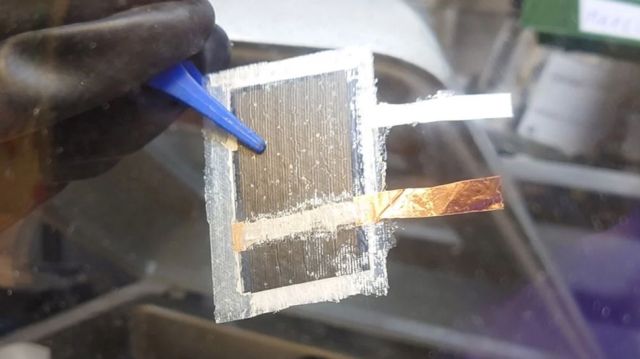
Building on the pioneering work done at Chalmers University of Technology in Gothenburg, Swedish startup Sinonus is looking to commercialize a new multifunctional carbon fiber composite that can function as a battery, with the hope its technology could potentially eliminate traditional battery packs in devices like laptops, electric vehicles, and aircraft.
The carbon fiber creation provides structural strength while reducing weight and improving system performance by using the existing mass to store energy. This trick is achieved by using carbon fibers as electrodes in a battery cell, combined with a specially developed electrolyte, to create lightweight, strong constructions with integrated electrical storage.
As reported in New Atlas, this journey first began over a decade ago when Volvo’s research in collaboration with Chalmers University identified carbon fibers with optimal electrical conductivity and structural stiffness. In 2022, Chalmers Ventures spun off the project into Sinonus, focusing on multifunctional materials to save resources.
Small issue of cost
Although current prototypes have lower energy density than traditional batteries, they offer advantages in safety and resource conservation. The company’s lab tests have already replaced AAA batteries in low-power applications with carbon-electrode batteries. The next goal is to scale up for more demanding uses, like IoT devices and eventually electric cars and airplanes.
“Storing electrical energy in carbon fiber may perhaps not become as efficient as traditional batteries, but since our carbon fiber solution also has a structural load-bearing capability, very large gains can be made at a system level,” Sinonus CEO Markus Zetterström said.
Some rather large challenges remain ahead, including achieving higher energy density and reducing costs. As New Atlas points out, “EV batteries are expensive in themselves, but would replacing them with specially sandwiched electrical-grade carbon fiber really be any cheaper?”
Sinonus remains optimistic however, and points to studies suggesting structural carbon fiber batteries could extend EV range by up to 70%, emphasizing their potential for safer, more efficient energy storage.
More from TechRadar Pro
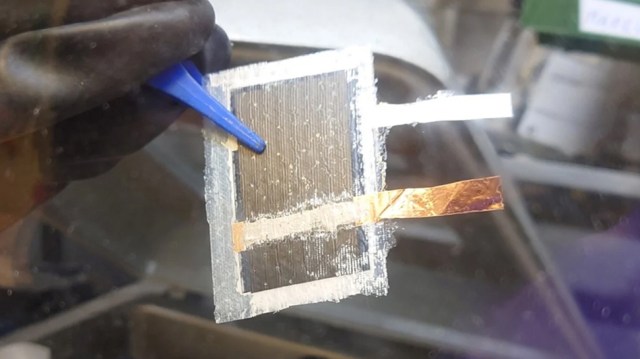
Building on the pioneering work done at Chalmers University of Technology in Gothenburg, Swedish startup Sinonus is looking to commercialize a new multifunctional carbon fiber composite that can function as a battery, with the hope its technology could potentially eliminate traditional battery packs in devices like laptops, electric vehicles, and…
