The US tightens greenhouse gas emission standards for heavy-duty vehicles

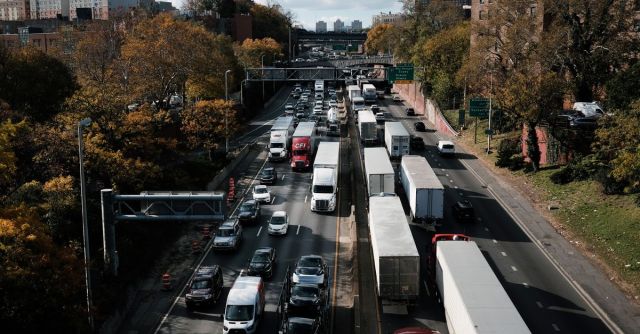
The Environmental Protection Agency (EPA) announced the toughest US standards yet for greenhouse gas emissions from heavy-duty vehicles like big rigs and buses. The rules apply to model year 2027 to 2032 heavy-duty vehicles and are meant to slash emissions from a major source of the pollution causing climate change.
Heavy-duty vehicles are responsible for a quarter of the nation’s transportation-related greenhouse gas emissions. The EPA says its new standards will avoid a billion tons of those emissions by 2055, which would be like eliminating the pollution from 13 million tanker trucks’ worth of gasoline.
“On behalf of everyone who breathes, thank you.”
Transportation makes up the biggest chunk of the country’s carbon footprint and has been the target of a series of new regulations aimed at meeting climate goals set under the Biden administration and the Paris climate accord. And since trucks also produce soot and smog-forming pollutants, the latest rules are also expected to improve air quality for 72 million Americans living within 200 meters of a truck freight route.
“On behalf of everyone who breathes, thank you,” Paul Billings, national senior vice president of public policy at the American Lung Association, said during a press call with EPA Administrator Michael Regan. “Thank you, Mr. Administrator, for responding to the comments from health experts and community voices and recognizing the innovation that is occurring every day in the heavy-duty vehicle sector.”
The proposed rule got more than 175,000 comments before being finalized today, including pushback from industry. The Owner-Operator Independent Drivers Association wrote in its comments last year that the tougher greenhouse gas standards (on top of another recent rule that tightened limits for smog-forming pollution) could inadvertently lead drivers to hang on to older, more polluting trucks longer to avoid higher costs for zero emissions vehicles. The group also said the rule could “rush production of battery electric vehicles” before adequate charging infrastructure is in place.
The Biden administration says its rules are “technology-neutral,” allowing businesses to choose between hybrid, electric, and fuel cell vehicles or “advanced” internal combustion engine vehicles. It also estimates that the fuel and maintenance cost savings would reach between $3,700 and $10,500 annually for a heavy-duty truck purchased in 2032.
Earlier this month, the EPA set out new standards for pollution from light and medium-duty vehicles expected to accelerate the adoption of electric vehicles. While those rules are supposed to cut greenhouse gas emissions by up to 50 percent by 2032, they’re more lax than what the Biden administration initially proposed before facing opposition from car companies and labor unions.
The Environmental Protection Agency (EPA) announced the toughest US standards yet for greenhouse gas emissions from heavy-duty vehicles like big rigs and buses. The rules apply to model year 2027 to 2032 heavy-duty vehicles and are meant to slash emissions from a major source of the pollution causing climate change.…
