Microsoft is exploring a hands-free smart home system for Windows tech

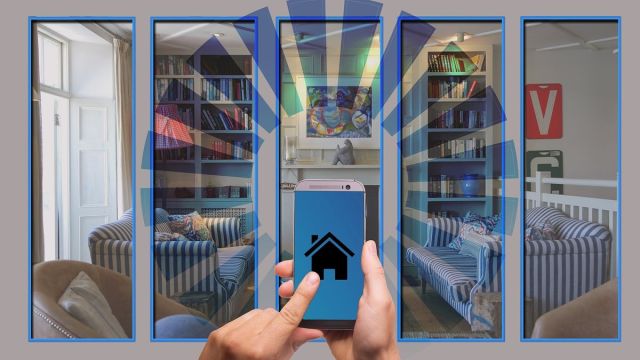
A new Microsoft patent reveals the company is working on an autonomous smart home system for Windows devices.
This “multi-device cross-experience” will be powered by artificial intelligence, according to tech news site Windows Report. It enables connected hardware to communicate with each other via “advertising” and without direct user input. Advertising in this context doesn’t refer to literal commercials but rather signal transmissions. Gadgets on the system will be constantly communicating with each other, triggering actions if criteria are met. For example, an electric car may send a notification to the owner’s smartphone or laptop informing them that they left the door open. Or you could transfer a phone call from one device to another.
As a side note, we’re not entirely sure why these transmissions are called ads. Perhaps Microsoft is invoking the image of advertisements – bits of information constantly bombarding the peripherals of this proposed smart home network.
Smart by design
Technology like this already exists in some form. As Windows Report points out, Microsoft’s system functions similarly to Qualcomm’s Snapdragon Seamless and Samsung Galaxy Connected. These two are cross-platform networks that allow connected devices “to discover each other and share information” seamlessly, hence their names.
The main difference with Microsoft’s version is the aforementioned AI enabling its system to “intelligently decide… when to act”. It’s explained in the patent that the AI allows network gadgets to send out contextually appropriate notifications to users. Plus, it can determine if another device is needed for the scenario. What’s more, various connectivity standards will be supported. This includes, but is not limited to, Bluetooth, NFC, Wi-Fi, cellular signals, “and even cloud connections.”
There is one major flaw in all of this. The author of the patent states the system requires an enormous amount of power to work. Devices will have their batteries quickly depleted when they’re connected because they’re constantly sending out signals on the network.
What’s next
It’s unknown when Microsoft’s autonomous smart home system will launch, if at all. The tech appears to still be in its early stages, although Windows Reports believes it could arrive soon. The publication argues the recent introduction of Copilot and the company’s proclamation of 2024 being the year of AI as signs of what’s coming down the line. It also points to rumors claiming Windows 12 will receive “groundbreaking AI”.
In our opinion, the new network probably won’t be coming out for a while – assuming it exists in the first place. While the presence of a US patent suggests Microsoft’s interest in the project, many patents never see the light of day as commercial products. What’s more the document offers multiple examples of how the system could work, however, it doesn’t describe exactly how it works.
If you’re interested in reading what Microsoft is cooking up, the patent can be read for free on the official website of the United States Patent and Trademark Office. Be warned, the material is pretty dense.
Check out TechRadar’s list of the best smart home devices for 2024 if you’re looking to smarten up the homestead.
You might also like

A new Microsoft patent reveals the company is working on an autonomous smart home system for Windows devices. This “multi-device cross-experience” will be powered by artificial intelligence, according to tech news site Windows Report. It enables connected hardware to communicate with each other via “advertising” and without direct user input.…
