Wi-Fi router manufacturer TP-Link is finally uniting its two smart home brands under one app, Tapo. The company has made smart gadgets since 2015, but confoundingly under two separate brands: Tapo and Kasa.
Two become one: TP-Link’s two smart home brands finally use one app

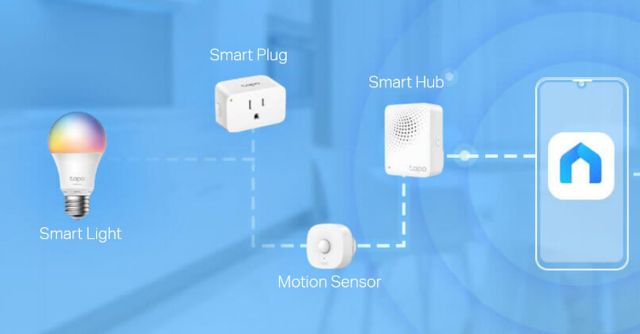
Both brands offer very good smart plugs, switches, lights, connected cameras, and other gadgets for relatively low prices. But confusingly, many of them look and work almost identically while requiring two separate apps to control them. This state of affairs has long frustrated users of these inexpensive devices.
After a recent update (Tapo 3.0), TP-Link is now letting users port their Kasa devices into the Tapo app. This allows you to control all your devices from one app and integrate them into any routines or automations you have in the Tapo app.
TP-Link does note that some devices can’t be migrated; however, all Kasa devices sold in the U.S. will work in the Tapo app. The migration only works one way, Kasa to Tapo, not vice versa, and once moved, you can still access devices in the Kasa app.
TP-Link has published a guide to porting your devices, which indicates that any groups and smart actions you have set up in Kasa will come over to the Tapo app. However, any Kasa subscriptions you have, such as Kasa Care for cloud storage of camera footage, will only remain active in the Kasa app, which TP-Link confirms is not going away.
You will also need to relink devices to third-party services like Google Home and Amazon Alexa once they’re in the Tapo app.
Kasa and Tapo will remain as distinct and independent brands
“The Tapo app now serves as the unified platform for managing both Kasa and Tapo devices, leveraging its comprehensive ecosystem that spans across more categories than Kasa and eliminating the need for users to switch back and forth between separate applications,” TP-Link spokesperson Elin Zhao said in a statement to The Verge. “It’s important to clarify that, despite this integration, Kasa and Tapo will remain as distinct and independent brands.”
While both brands offer Wi-Fi products, some Tapo devices — including sensors, lights, and cameras — work over the 922Mhz sub-GHz frequency, helping avoid the congested 2.4GHz band. However, these do require a hub.
Even if the Kasa brand is still sticking around, with this change, it appears TP-Link is focusing its energies on the Tapo brand. There have been a number of Tapo launches this year, including some new categories (robot vacuums) and several new outdoor cameras. All of this has made the Tapo brand the more robust of the two in terms of compatible device types.
Whatever the corporate strategy may be, having to use only one app to control gadgets from the same company is definitely an improvement and really should have been an option since day one.
Updated December 19, 12:30PM: Added details from TP-Link confirming that you can continue to use the Kasa app after migrating to the Tapo app and that all Kasa products currently available for sale in the United States can be controlled using the Tapo app.
Correction, December 19, 12:30PM: TP-Link started its smart home business in 2015, not 2019 as a previous version of this article stated. We regret the error.
Wi-Fi router manufacturer TP-Link is finally uniting its two smart home brands under one app, Tapo. The company has made smart gadgets since 2015, but confoundingly under two separate brands: Tapo and Kasa. Both brands offer very good smart plugs, switches, lights, connected cameras, and other gadgets for relatively low…
