The World Press Photo Contest’s updated AI rules help define what a modern photograph is

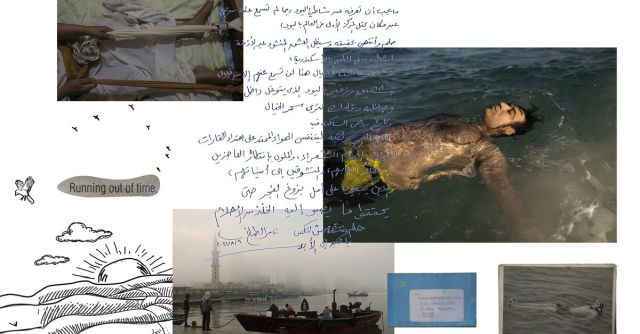
The World Press Photo Contest has updated its entry rules to exclude submissions for AI-generated imagery, just days after announcing that such images could be entered into its Open Format competition category. The World Press Photo Foundation initially said it would welcome AI-generated submissions — a decision met with immediate backlash from photojournalists who said allowing artificially created images into a contest for photojournalists responsible for documenting real-world events was “anathema to everything our industry does.”
The foundation has since rolled back its new AI submission guidance and updated contest rules to bar AI-generated images from its Open Format category. “Thanks to the honest and thoughtful feedback over the past days, we have decided to change the rules for the Open Format category in our contest to exclude AI generated images,” said the World Press Photo Foundation in a statement published on its website on Monday. “Both generative fill and fully generated images will be prohibited in the Open Format category (as was already the case in the other categories: Singles, Stories and Long-Term Projects).”
AI-generated images have never been eligible for submission to the prestigious World Press Photo of the Year contest
AI-generated images have never been eligible for submission to the prestigious World Press Photo of the Year contest.
The rules for image manipulation of photos “made by a lens-based camera” have also been updated to provide greater clarity on what constitutes an AI-generated image. Light changes like denoising, automatic adjustments (for example, on levels, colors, contrast), and object selection are listed as acceptable examples of AI editing tools, the extent of which will be decided by the contest organization and a global jury. Tools based on generative AI models that introduce new information to enlarge and sharpen images, such as Adobe Super Resolution and Topaz Photo AI, are not permitted.
To help clarify what a photograph is in the age of AI, the World Press Photo Foundation has also helped develop a “set of clear ethical standards” alongside photojournalism institutions, visual journalists, and “editors with interest and expertise in the topic.” They’re meant to ensure that photographs are “fair and accurate representations of what the photographer witnessed” and not produced in a way that misleads the public.
AI is becoming increasingly harder to ignore across cameras and image editing software
AI technology is being increasingly featured in cameras and editing software, so it’s easy to understand why the World Press Photo Foundation is trying to firm up its submission guidelines. Plenty of apps like Adobe Photoshop and Lightroom feature AI-assisted editing tools designed to make life easier for photographers by automating boring, labor-intensive tasks like masking objects or refining hair details. And increasingly, AI powers the imaging systems on modern smartphones, with Google’s new Magic Editor and Best Take features used to differentiate the Pixel 8.
With AI so thoroughly embedded in the photography pipeline, the World Press Photo Foundation’s guidelines for defining what level of AI manipulation is permissible for a real photograph is a welcome attempt to place a greater divide between AI “art” and photojournalism.
The World Press Photo Contest has updated its entry rules to exclude submissions for AI-generated imagery, just days after announcing that such images could be entered into its Open Format competition category. The World Press Photo Foundation initially said it would welcome AI-generated submissions — a decision met with immediate…
