Your phone’s about to get loud. Here’s how to manage the National Emergency Alert System Test

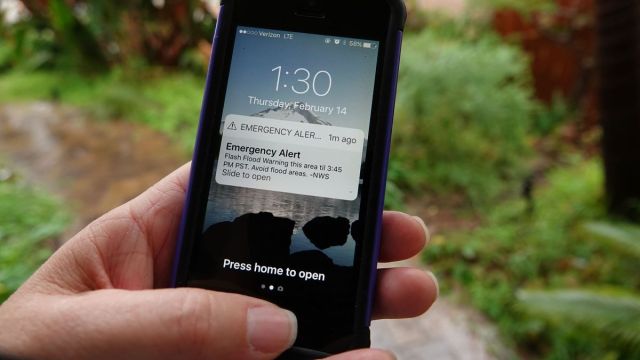
Don’t be alarmed. The National Emergency Alert System (EAS) is gearing up for its triennial test, and you can expect your phone to ring this Wednesday at around 2:20 PM Eastern Time (ET).
Coordinated by the Federal Communications Commission (FCC) and the Federal Emergency Management Agency (FEMA), this test is an essential component of the nation’s emergency preparedness framework.
You might think it’s annoying, but it turns out this test matters…a lot.
A Vital Test
FEMA mandates that the National Emergency Alert System be put to the test once every three years, and this time around, it’s happening on Wednesday. The primary goal of this exercise is to ensure that the system functions smoothly and efficiently in the event of a real emergency. It’s a critical step in the nation’s ability to communicate vital information to the public during crises.
No Opting Out
Unlike other notifications and alerts, you cannot opt out of receiving messages from the National Emergency Alert System. This is because these alerts are designed to provide crucial information about imminent threats to life and property. The system leverages the presidential alert feature available on all cellular devices in the United States(meaning, essentially, every smartphone in every hand in the country), making it a powerful tool for disseminating information quickly and widely.
Silencing Your Phone During the Test
While these alerts are essential, we understand that receiving them at an inconvenient time can be frustrating. If you need your best phone to be silent during the National Emergency Alert System test, here’s what you can do:
Between 2:00 and 3:00 PM ET on the test day, consider entering airplane mode or powering off your device. This will ensure that you do not receive the alert during this time frame. However, it’s crucial to remember that these alerts are designed to reach as many people as possible, so consider the implications of silencing your device, especially if you rely on it for emergency purposes.
Protecting others
For individuals in potentially unsafe situations, being aware of this test is paramount. If you have a secondary device dedicated to emergency communication, make sure it is also prepared to receive alerts during the test. These notifications could contain vital information that helps keep you and your loved ones safe in critical moments.
The noise might bother you, especially when dozens of phones sound off all around you, but remember, it’s just once every few years and for a good cause: your safety.
You might also like
Don’t be alarmed. The National Emergency Alert System (EAS) is gearing up for its triennial test, and you can expect your phone to ring this Wednesday at around 2:20 PM Eastern Time (ET). Coordinated by the Federal Communications Commission (FCC) and the Federal Emergency Management Agency (FEMA), this test is…
