Asus sells the largest microLED monitor ever for a cool $200,000 — but it’s only 4K and a low refresh rate

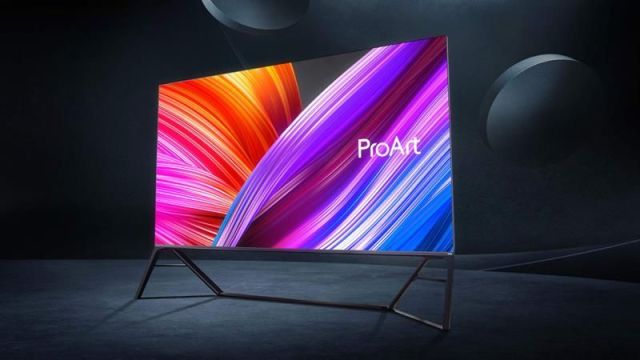
Asus is pitching its massive 135-inch MicroLED professional-grade monitor to those in the creative industries, including post-production professionals and VFX artists – but its size may be offset by a couple of limitations.
The ProArt Cinema PQ07 delivers near-infinite contrast ratios, just like OLED displays, but unlike the current mainstream display standard, it isn’t hampered by any auto-brightness limiters (ABLs).
This means it can maintain a stunningly bright 2,000-nit full-field brightness level, according to Notebook Check. LG’s latest OLED TVs, by comparison, can hit 2,100 nits – but, again, these are limited by ABLs that automatically dim the display when it’s showing a white or bright image at any one time.
The largest MicroLED monitor money can buy
MicroLED displays are a relatively new kind of technology in the display space, but prices are still very expensive, whereas OLED displays have become far more affordable in recent years. Many of the latest MicroLED displays were on display at CEDIA 2023 in September.
Asus’ MicroLED display doesn’t use panels from Samsung – one of the industry leaders in this technology – because its 0.78mm pixel pitch is lower than that Samsung showed earlier in the year, according to the publication.
The hardware manufacturer first showcased this display at Computex 2023 back in June, but there was very little information on specs available at the time.
It boasts the largest display size for a MicroLED monitor in the current market, but you can also combine several together to ramp up the display surface area in a modular fashion.
While there are huge merits to the ProArt Cinema PQ07, there are also several limitations. Beyond its $200,000 price tag, its color gamut is 95% DCI-P3, which is just shy of the level the best OLED displays achieve.
It may also be limited to a 60Hz refresh rate, while many professional-grade monitors may reach refresh rates as high as 240Hz.
It’s not the largest display available, but the likes of Samsung’s The Wall – similarly targeting virtual production – work slightly differently and are more appropriate for use in digital signage.
LG’s Direct View LED display, meanwhile, is designed to be fitted into home theaters and range from 81 inches to a gargantuan 325 inches. But, as with Samsung’s display, it isn’t geared to professionals in the way Asus’ ProArt PQ07 is.
More from TechRadar Pro
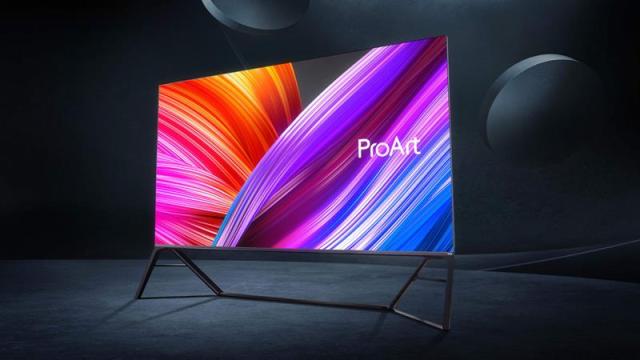
Asus is pitching its massive 135-inch MicroLED professional-grade monitor to those in the creative industries, including post-production professionals and VFX artists – but its size may be offset by a couple of limitations. The ProArt Cinema PQ07 delivers near-infinite contrast ratios, just like OLED displays, but unlike the current mainstream…
