It’s now easier than ever to get Windows apps running on ChromeOS

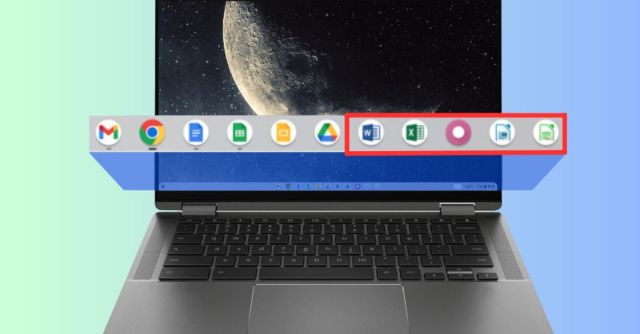
If you’ve been hunting for a way to bring your favorite Windows apps to Google’s ChromeOS without a virtual desktop, your life might have just gotten a little easier. Today, software virtualization company Cameyo announced that its integration with ChromeOS now supports Virtual App Delivery (VAD) services, allowing Windows applications to coexist with Chrome ones on Chromebooks.
Cameyo claims its ChromeOS VAD integration enables organizations to deliver any application — including Windows, Linux, SaaS, and internal web apps — over the web, without access to specific cloud data centers or devices. It essentially looks like ChromeOS is running Progressive Web Apps, allowing companies to affordably make third-party apps more accessible on ChromeOS without needing to pay for virtual desktops.
“While many organizations previously relied on virtual desktop solutions like VDI and DaaS to deliver their legacy software to end users, many are struggling with the significant overhead caused by delivering full virtual desktops,” said Naveen Viswanatha, head of product, ChromeOS solutions at Google, in a press release. “In today’s cloud-first world, users just need simple & secure access to their apps in a seamless way that optimizes their productivity.”
Cameyo simplifies this delivery of apps by not exposing ChromeOS users to a full version of Windows. File handling, clipboard support, and even integration into the ChromeOS file system from within virtualized apps is all handled by Cameyo, so the virtualized Windows apps just feel like ChromeOS ones running side by side with Chrome and other web apps.
Meanwhile, Microsoft’s own attempts to move Windows to the cloud still rely on running a full Windows OS rather than selecting the specific apps you’d need. Microsoft may be more successful in the enterprise market for now, though Google’s efforts to gain some ground have had Microsoft fearful of Chromebooks in schools and businesses for years.
The affordability of Chromebooks compared to most PC or Apple systems has made ChromeOS very popular in the education market, though Google has previously struggled to attract enterprise users over to its operating system. Organizations may now be more tempted to make the switch if accessing existing line of business applications is less of a headache, especially considering the work Google has already put into ChromeOS Flex and Parallels Desktop.
If you’ve been hunting for a way to bring your favorite Windows apps to Google’s ChromeOS without a virtual desktop, your life might have just gotten a little easier. Today, software virtualization company Cameyo announced that its integration with ChromeOS now supports Virtual App Delivery (VAD) services, allowing Windows applications…
