July heatwaves ‘virtually impossible’ without climate change
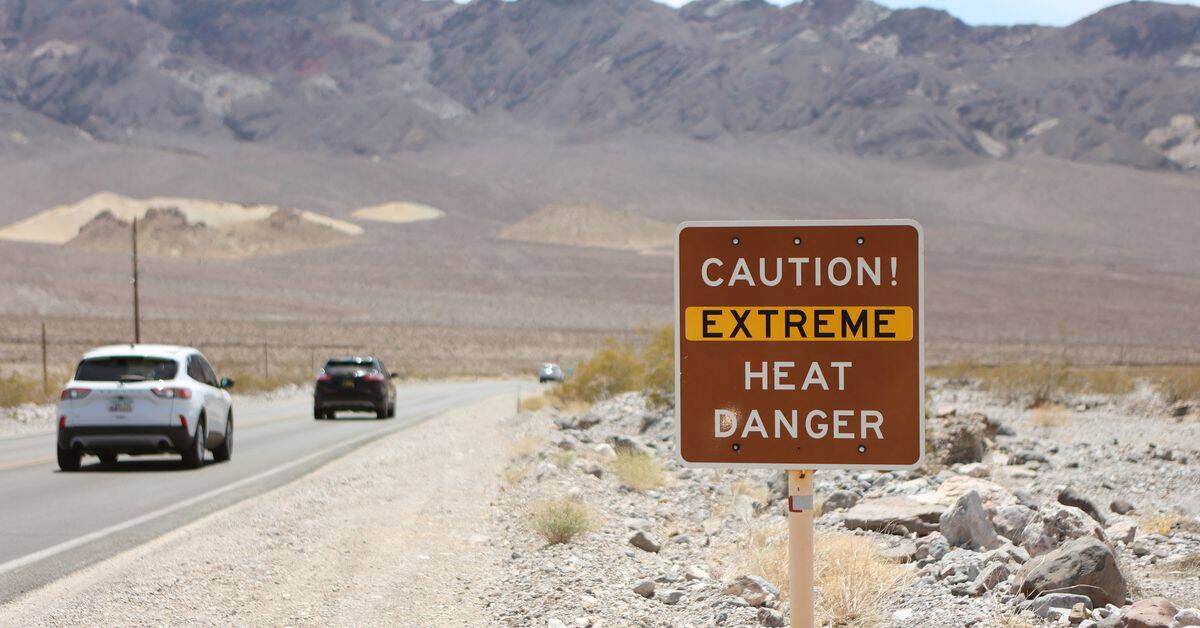
It’s been a viciously hot July for much of the planet thanks to heatwaves made worse by climate change. A new study breaks down how much of a role the climate crisis played in bringing on record-shattering temperatures this month.
Huge swathes of the Northern Hemisphere have been sweltering for weeks, with heat domes forming over North America, North Africa, the Mediterranean, and Asia this summer. The first week of July was likely the planet’s hottest week on record, according to preliminary data from the World Meteorological Organization. Temperatures breached 50 degrees Celsius (122 degrees Fahrenheit) in North America’s Death Valley and parts of northwest China this month. All-time heat records were also broken in parts of Spain, France, Algeria, and Tunisia.
Huge swathes of the Northern Hemisphere have been sweltering for weeks
The study published today zooms in on heat spells in the southwest United States, northern Mexico, southern Europe, and the lowlands of China when they were the most severe in July. Heatwaves affecting North America and Europe would have been “virtually impossible” without climate change, says the study conducted by World Weather Attribution (WWA), an international collaboration of researchers. The severe heat spell in China this month was also about 50 times more likely because of global warming. Climate change showed the most influence in Europe, where temperatures were 2.5 degrees Celsius hotter than they would have been without climate change.
The study authors used peer-reviewed methods to compare real-world temperatures to what they likely would have been without the roughly 1.2 degrees of global warming humans have caused since the Industrial Revolution. Unless the world switches to clean energy, heatwaves are forecast to keep getting more frequent and intense with climate change. Heatwaves like what the world saw in July could take place as often as every couple of years if global warming climbs 2 degrees above the preindustrial era, the study says.
So while it’s clear that temperatures have reached new extremes this summer, the researchers warn that it’s quickly becoming the new norm. “It could well be that this is what will be a cool summer in the future if we don’t stop burning fossil fuels,” Friederike Otto, one of the authors of the study and a senior lecturer in climate science at Imperial College London, said in a press briefing yesterday.
That means it’s time to adapt to a warmer world, and each region the researchers studied is already starting to do this. That includes creating action plans for heat disasters, designing cities to stay cool, and shoring up power grids to avoid blackouts that can rob people of air conditioning when they need it the most. “Simple actions like checking in on your neighbours, drinking enough water, and finding a cool place to go during the hottest part of the day can save lives,” the report says.
It’s been a viciously hot July for much of the planet thanks to heatwaves made worse by climate change. A new study breaks down how much of a role the climate crisis played in bringing on record-shattering temperatures this month. Huge swathes of the Northern Hemisphere have been sweltering for…
