Wildfire smoke is getting worse for everyone, especially disadvantaged groups

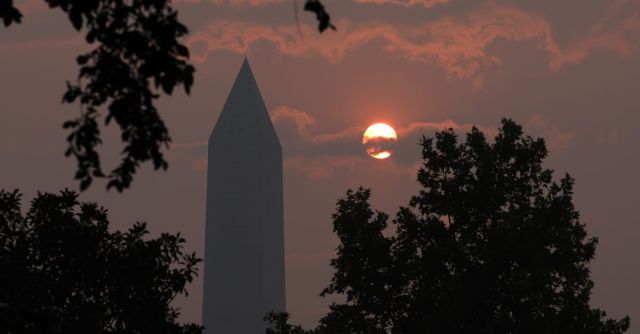
Americans are breathing in a lot more wildfire smoke today than they did 10 years ago, new research confirms. And places with more people of color, immigrant communities, and areas where there’s lower educational attainment and more crowded housing have it the worst.
More than 87 percent of the US population saw an increase in the number of days of heavy wildfire smoke they experienced between 2011 and 2021, according to a study published this week in the American Journal of Public Health. Zoom in on the last five years, and the numbers are eye-popping. Between 2017 and 2021, on average, Americans experienced a 350 percent rise in exposure to heavy wildfire smoke.
Zoom in on the last five years, and the numbers are eye-popping
While it’s a widespread problem, some groups were especially hard-hit. Communities with more people of color and limited English proficiency saw a whopping 449 percent increase in their exposure to the heaviest smoke plumes. Overall, groups that are marginalized due to race, language, educational attainment, and housing experienced a 358 percent increase in exposure.
The researchers combined satellite data on smoke plumes with census data on population density and socioeconomic characteristics of the communities exposed. Their study calculates “person-days” of smoke, a measure of the magnitude of a population’s exposure to smoke. It’s based on the number of people in a given area and the number of days that group had to cope with wildfire smoke.
The study doesn’t focus on why the disparities it found exist. But marginalized communities are often on the front lines of climate change when it comes to living in places facing the greatest rise in temperatures and sea levels.
“Those are populations that we really want to pay the most attention to when we’re thinking about climate impacts, because they tend to be the first line of exposure and they usually get the worst impacts,” says Kathryn Conlon, one of the authors of the paper and an assistant professor at the University of California, Davis.
By fueling hotter, drier weather, climate change has also set the stage for more explosive wildfires. Last year, fires scorched 7.6 million acres in the US compared to an average of 3.3 million acres burned each year in the 1990s. Smoke from those fires can travel hundreds or even thousands of miles, as we’ve seen this week as blazes in Canada created an air quality disaster across huge swaths of the US.
The same communities burdened with the most smoke can also face disadvantages when it comes to finding ways to protect themselves from it. Lower-income households might not have air purifiers, for instance. And warnings about air quality aren’t always translated into all of the languages people speak in a community — a problem officials could tackle by providing information in languages other than English.
“We need to really be considering who is getting the brunt of [wildfire smoke] and what makes the most sense to reach those populations so that we can adequately protect them,” Conlon says.
Americans are breathing in a lot more wildfire smoke today than they did 10 years ago, new research confirms. And places with more people of color, immigrant communities, and areas where there’s lower educational attainment and more crowded housing have it the worst. More than 87 percent of the US…
