SpaceX is now public

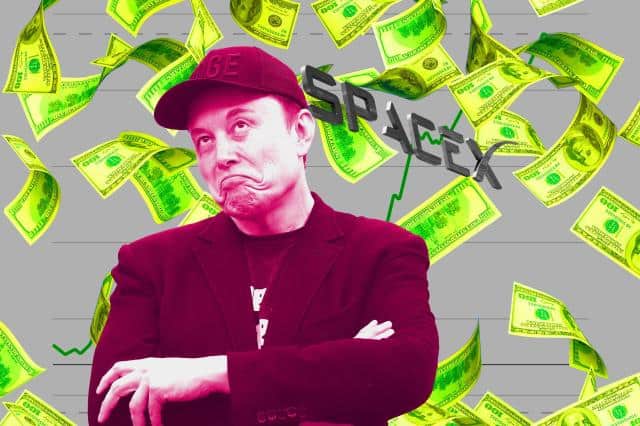
SpaceX is now a publicly traded company.
The IPO is historic for many reasons: SpaceX is hoping to raise $75 billion under the ticker symbol SPCX, which would make it the largest public offering in history. The company is controlled by Musk, who also runs Tesla, another trillion-dollar company. The IPO is expected to make Musk, who is set to control 85 percent of the voting shares, the world’s first trillionaire. But retail investors may struggle to buy into this vision, as Bloomberg recently reported that the IPO has attracted demand for more than four times the available shares.
The amount is a reflection of the exuberance around SpaceX’s mission. The company handles roughly 82 percent of all US space launches and commands nearly half of the global commercial space market. Starlink, its satellite internet business, is a high-margin cash cow, having crossed 10 million subscribers globally earlier this year.
SpaceX was valued at $1.25 trillion earlier this year after merging with xAI, Musk’s AI company that also owns X.com, formerly Twitter. The tie-up means investors will be buying in at a historically high price — but Musk combined the companies at great cost to himself and also SpaceX.
The groundwork was set in May, when SpaceX formally filed its S-1 prospectus with the US Securities and Exchange Commission. In it, the company laid out its plans for future rocket launches, a permanent human colony on Mars, and orbital data centers to power its AI capabilities. In typical Musk fashion, most of these plans remain wildly out of reach.
The S-1 also detailed all the ways in which Musk enriches himself through self-dealing. Tesla owns nearly 19 million shares of SpaceX’s Class A common stock, which is less than 1 percent of the total outstanding stock. Tesla’s stake in xAI was converted to SpaceX shares after Elon Musk merged his AI company with his space company in February. SpaceX buys Cybertrucks and Megapacks from Tesla, and leases office space to the Boring Company. The S-1 also lists Musk himself as a risk factor, noting that his other companies may compete against SpaceX for valuable supplies.
SpaceX is also wildly unprofitable. It lost roughly $4.9 billion in 2025 and burned billions more in the first quarter of 2026, largely due to its spending on massive AI data centers. At its current burn rate, the $75 billion raised from the IPO could be gone within 2.5 years.
Even if you don’t buy the stock directly, you might end up owning it soon anyway. As our own Liz Lopatto recently explained, Nasdaq changed its rules to allow massive companies to enter the Nasdaq 100 index after just 15 trading days instead of waiting for the annual December shuffle. This means popular ETFs will likely be forced to buy billions of dollars of SpaceX stock shortly after launch.
SpaceX is now a publicly traded company. The IPO is historic for many reasons: SpaceX is hoping to raise $75 billion under the ticker symbol SPCX, which would make it the largest public offering in history. The company is controlled by Musk, who also runs Tesla, another trillion-dollar company. The…
